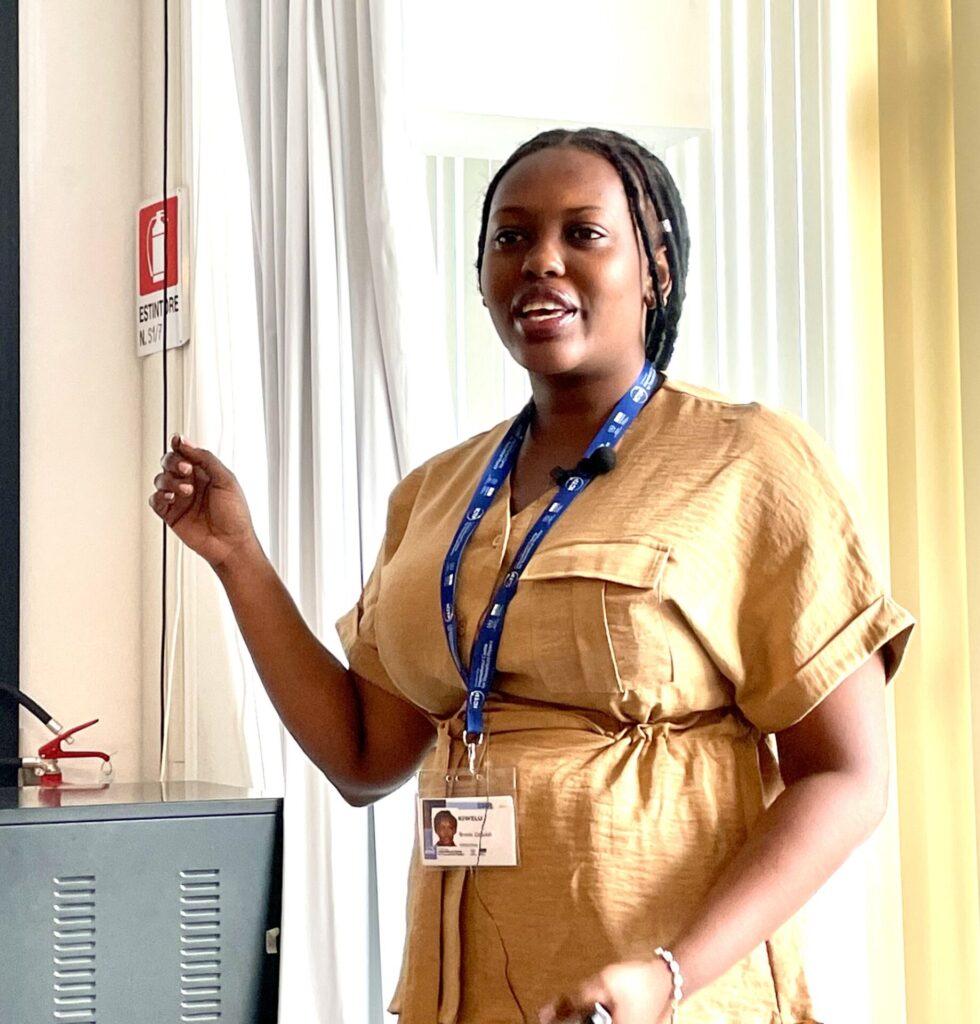
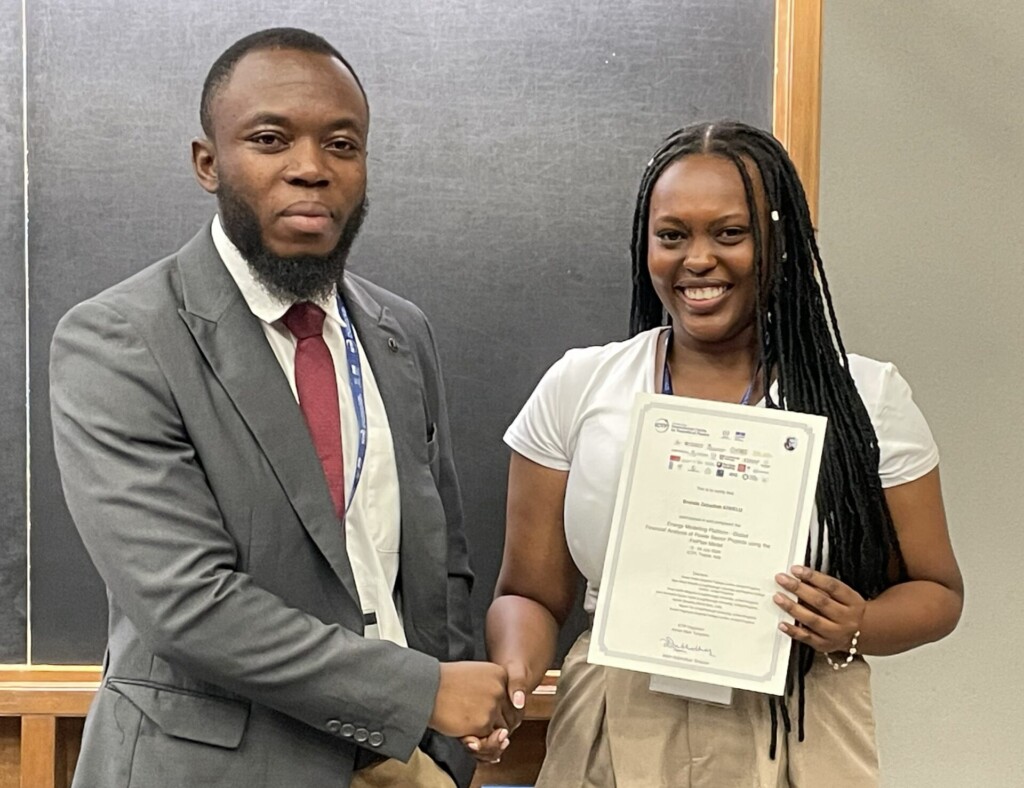
I am from Tanzania, and I work for Sustainable Energy for All. I was a clean cooking trainee
helping to accelerate clean cooking in schools. The schools were in four regions of Tanzania,
and I supported schools in Dar es Salaam. We helped 36 schools switch from firewood to
electric pressure cookers.
Before this EMP-G, I learned OnStove when I was sponsored by Sustainable Energy for All, and
I also studied OnSSET because I wanted to see how Tanzania would achieve its goals. It was a
natural progression for me to then study FINPLAN this time because I feel that those tools are
connected.
OnSSET indicated the budget that we would need, but I wanted to learn how to
manage the financial aspects of a project in more detail.
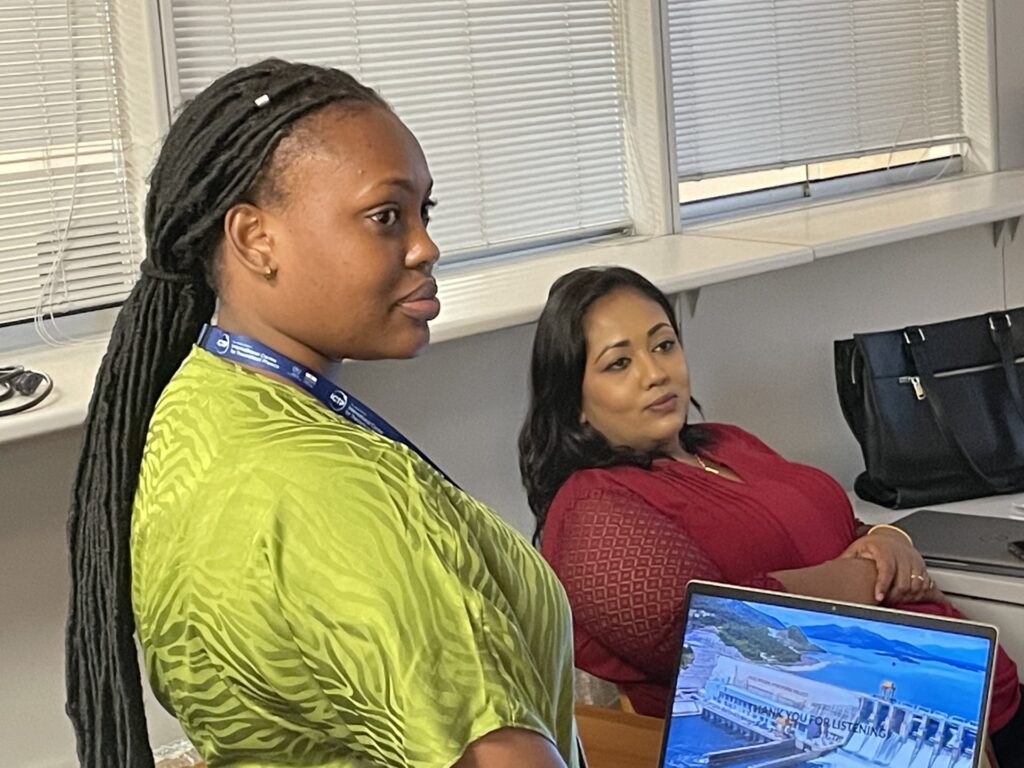
My case study was on the Julius Nyerere Hydropower Plant. Recently in our country we had a national blackout for five hours. That’s a very rare occurrence, and it even went as far as disrupting the Standard Gauge Railway. It was very surprising, because we have the largest hydropower plant in East Africa and the fourth largest in Africa. We have 2,115 megawatts of installed capacity, but we still face power rationing. That’s because we do not have good transmission and distribution systems. I wanted to see if the plant was, in fact, financially viable; was it beneficial to us?
Julius Nyerere was the founding father, and he wanted us to have a dam to end power rationing, but it’s still not giving us the results we want. I wanted to assess if we could maximise the financial benefits of this dam and help ourselves get out of power rationing. It is not the case that the dam is short of water; it has a reservoir which helps protect the local area (the dam is located in a UNESCO heritage site) from flooding. Mostly it’s the distribution that is the issue; we don’t have transmission or distribution lines that can help us achieve the national targets.
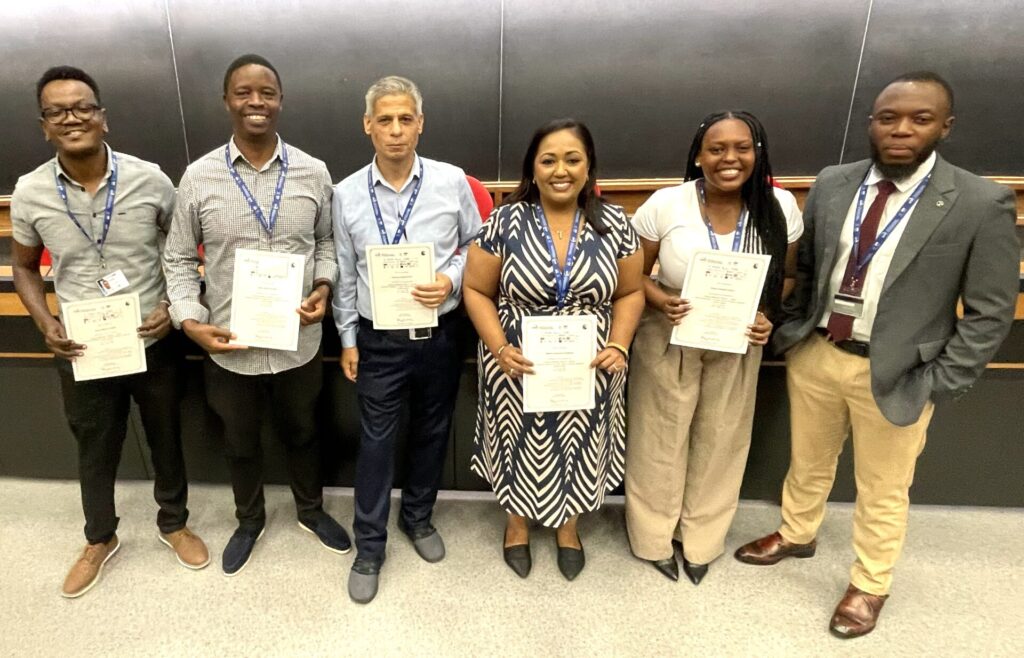
When I get home, I want to share my analysis with my colleagues and see what we can do. I’m pretty sure that this is something that the government knows already, but if you back it up with data, and having done a case study and presented this to the Ministry of Energy, who We’ve worked with on a project; it will help them see that to achieve their national targets, they need to strengthen the grid and not just increase the capacity. If I do that, I hope it will encourage action.