
Mobility as Social Obligation: What 60 Women in Accra Taught us About Centring Care and Justice in Climate-Compatible Transport Modelling
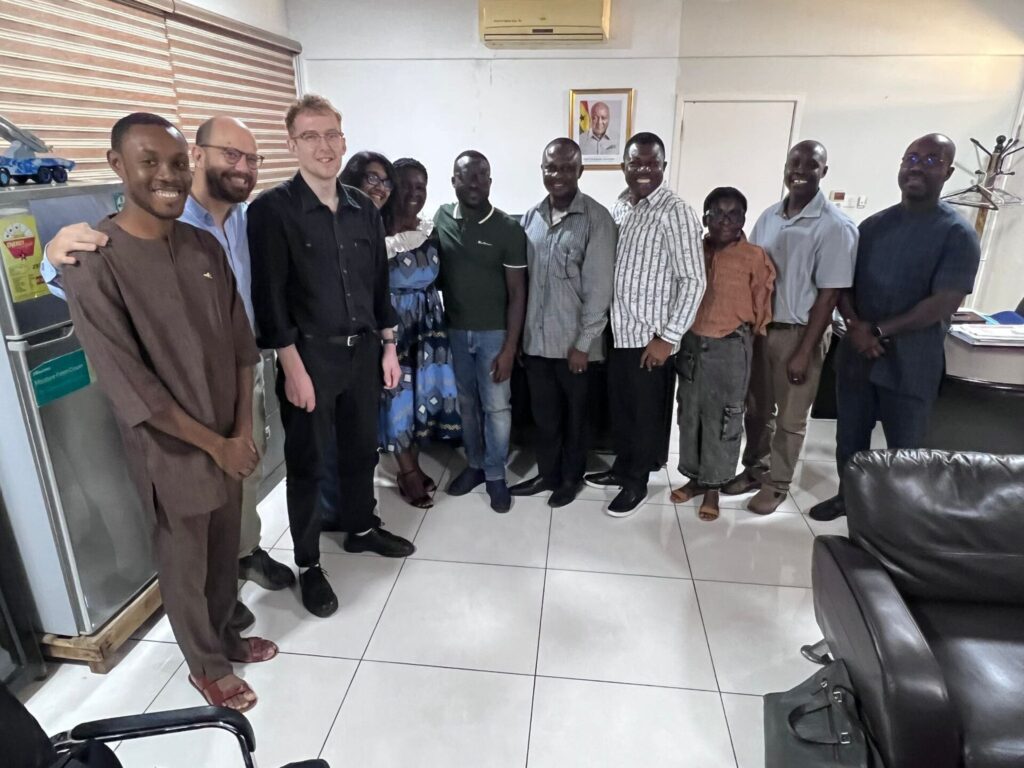
CCG researchers from the University of Oxford, Kumasi Technical University, Kwame Nkrumah University of Science and Technology (KNUST) and the University of Strathclyde are working together to develop and refine OSeMobility, an open-source transport and energy modelling tool developed by CCG. As part of this, they convened two participatory workshops in January and February 2026, in Madina and Kaneshie, low-income communities in the Greater Accra Region of Ghana. Festival Boateng, Mary Amoah and Gift Dumedah reflect on the experience in this blog.
What insights can CCG transport modellers gain from the everyday journey of a woman who must drop her child at school, navigate a crowded market to earn a living, pause for prayer at the mosque or attend midweek church service, and still race home to cook before nightfall, while contending with unpredictable weather, pothole-ridden roads, rising transport fares, and the constant threat of harassment? Her daily reality offers a powerful, under‑appreciated perspective on how transport systems truly function for the women who rely on them. The purpose of the workshops was simple yet profound: to ensure that the lived realities of low‑income women are meaningfully reflected in the transport models that guide infrastructure investment and shape climate policy.
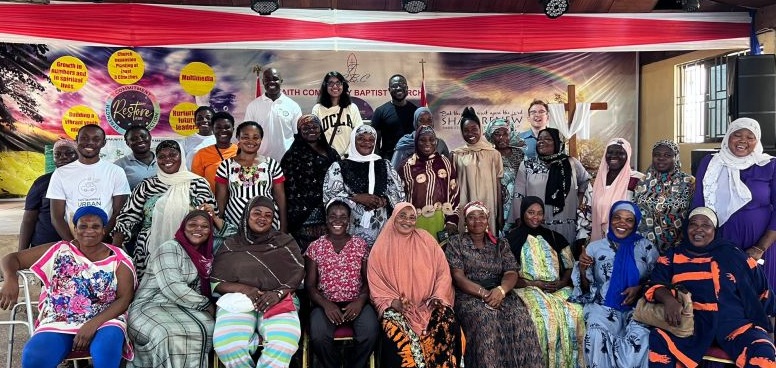
Across the sessions, sixty women, most of them small traders and food vendors, opened a window into their daily mobility struggles. Their stories offered more than data points; they revealed a powerful truth: for many women, mobility is not just movement from one place to another. It is a deeply social responsibility, intertwined with care work and shaped by the relentless demands of survival. To understand their journeys is to understand the real backbone of our urban transport systems, and what must change for them to work for everyone.
Mobility as social obligation
Across both workshops, women described daily routines anchored around four essential spaces: home, market, school, and church. These trips were never optional; they were driven by livelihood, caregiving, and faith. Mobility, for these women, was not an act of convenience; it was a social responsibility woven into the fabric of their roles.
Walking and trotros (shared minibuses) dominated their journeys. Women covered shorter distances on foot but depended on trotros for longer travel. Taxis, okadas (motorcycle taxis), and ride‑hailing services such as Uber and Bolt were used sparingly, reserved for moments of urgency, exhaustion, or when income happened to stretch a little further.
Yet even the decision to step outside the home was shaped by cost. Several women admitted that on some days they simply stayed home, not because they wanted to, but because they could not afford the fare. In this reality, mobility choice is not truly a choice. It is dictated by income, by limited infrastructure, and by the weight of responsibility. Understanding these constraints is essential if transport systems are to serve those who rely on them most.
Infrastructure that ignores care and reproduces inequality
Participants spoke with striking clarity about what works and what fails them in their mobility experiences. They acknowledged the usefulness of having multiple transport options and the presence of basic road networks. Nevertheless, the challenges they confront daily are extensive. Poor road conditions, persistent potholes, the absence of pedestrian walkways, malfunctioning rail services, inadequate street and neighbourhood lighting, and the commercialisation of sidewalks all emerged as major barriers.
These infrastructural gaps turn routine travel into a physically demanding and emotionally draining experience. Dimly lit roads heighten women’s exposure to theft and harassment. The lack of safe cycling and pedestrian lanes discourages any shift toward active mobility. And these shortcomings are not gender‑neutral. Women described being forced to carry babies on their backs because uneven walkways and potholed routes make pushing a pram nearly impossible. For many, this has led to chronic back pain, an invisible cost of inadequate urban infrastructure.
The message was unmistakable: transport systems that overlook women’s needs do more than inconvenience them; they impose daily burdens that shape health, safety, and economic participation. Care-related mobility emerged as central, not secondary, to transport needs. Women wanted:
● Smooth, accessible sidewalks that accommodate prams and children walking alongside adults.
● Safe crossings and well-lit streets to reduce vulnerability.
● Reliable public transport that does not require long waits under harsh sun or in unsafe conditions.
● Child-friendly urban spaces that support everyday caregiving tasks.
● Urban greenery that provides shade for the women who opt to walk
Crucially, the conversation extended beyond transport alone. Participants stressed the need for libraries and community facilities within their neighbourhoods, safe, accessible places where children can study, read, and engage in meaningful activities. For these women, improving mobility also means strengthening the social infrastructure that supports their families and reduces the burden of constant movement.
Why does this matter for mobility?
When essential services, such as libraries, community centres, and educational support spaces, are located far from home, or do not exist at all, women are forced to travel longer distances to fill the gap. The absence of neighbourhood‑level social infrastructure increases their travel burden, raises transport costs, and heightens risk exposure. In many ways, the pressure on women’s mobility is not a standalone problem; it is a symptom of missing community infrastructure.
Transport justice emerged as an equally critical concern. Elderly passengers and schoolchildren pay the same fares as working adults, placing disproportionate strain on already vulnerable groups. Women travelling with multiple children described frequent discrimination. Across the workshops, sexual harassment, especially in taxis, ride‑hailing vehicles, minibuses and buses, was raised as an alarming and persistent threat.
Ultimately, infrastructure, governance, and safety are not abstract technical issues. They determine who gets to move, under what conditions, and at what cost. Ignoring these realities means overlooking the lived experiences of the very people transport systems are meant to serve.
A utopia that is not just about cars
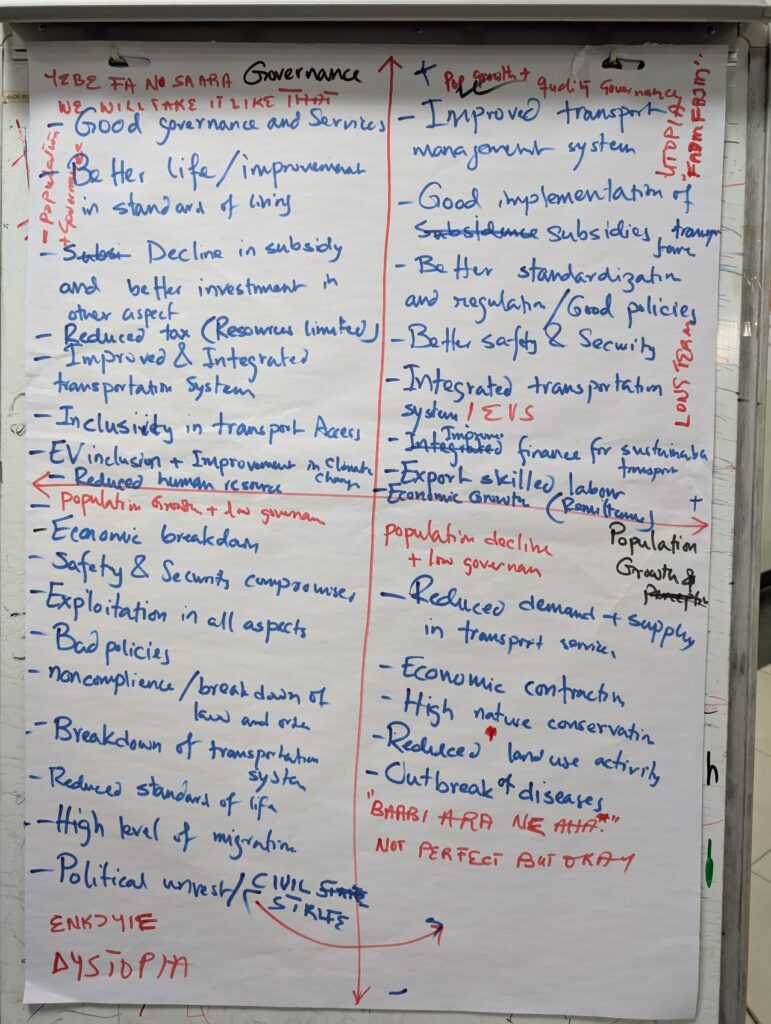
During a “utopian future” exercise using a World Café approach, many women initially imagined owning a private vehicle. To them, a car represented comfort, control over time, and a sense of dignity. But as the conversation deepened, so did the nuance.
Several participants raised concerns about the environmental and congestion impacts of widespread private car use. Others acknowledged that even with a car, they would still rely on taxis or ride‑hailing services during stressful trips. Their reluctance toward trotros stemmed largely from long waits and unpredictable delays, not from an inherent dislike of shared transport.
Even more revealing was the strong, often hidden demand for active and public transport. Women said they would willingly walk or cycle if temperatures were moderate, greenery softened the urban heat, and safe lanes protected them from traffic. They wanted their children to be able to cycle to school. Many voiced a clear preference for dependable rail services for commercial travel, citing their safety, speed, and predictability.
In short, the aspiration for private car ownership is less about rejecting sustainable mobility and more about coping with systems that currently fail them. When public transport is safe, efficient, and dignified, aspirations shift, revealing that sustainability and desirability can align when infrastructure truly meets people’s needs.
Dystopia and Fragility
When asked to imagine dystopian futures, income loss, flooding, extreme heat, many participants hesitated. Their reluctance reflected cultural beliefs that discourage dwelling on negative possibilities. Yet even within this hesitation, their responses revealed deep vulnerability.
If income were to fall, most women said they would resort to walking, setting out before dawn to avoid the punishing heat. During floods, some would stay indoors to reduce the risk of electrocution, while others would rely on trotros when walking became too dangerous. Under extreme heat, coping strategies were limited to hats, sunglasses, and nose masks, small shields against an intensifying climate.
These reflections expose the fragility of urban mobility systems in the face of economic and climate shocks. For low‑income women, resilience often means walking farther, earlier, and under harsher conditions. Their coping strategies are adaptive, but they are not sustainable.
This is why Climate‑Compatible Growth transport modelling cannot focus solely on emissions reduction. It must grapple equally with adaptation, equity, and the protection of those most vulnerable to both climate risks and mobility system failures. A just transport future demands nothing less.
What Women Want Policymakers—and Researchers—to Know
Participants were particularly animated when discussing policy failures. Their concerns ranged from fare exploitation during peak hours, weak enforcement of driver licensing and safety standards, overloading of buses, corruption and bribery in enforcement systems, poor road maintenance, failed rail services, and harassment and insecurity in transport spaces.
They called for:
● Research into how fares are determined—and why fuel price reductions do not lower fares.
● Stronger regulation and enforcement of driver licensing.
● Improved road conditions and pedestrian infrastructure.
● Better lighting and neighbourhood safety.
● Revitalisation of rail services.
● Increased recruitment of female drivers.
● Enabling conditions for electric vehicles.
● Provision of libraries and community infrastructure to strengthen care systems.
Interestingly, participants leaned more toward immediate policy action than academic inquiry. Yet they also identified clear research gaps, particularly around governance, fare structures, and regulatory systems.
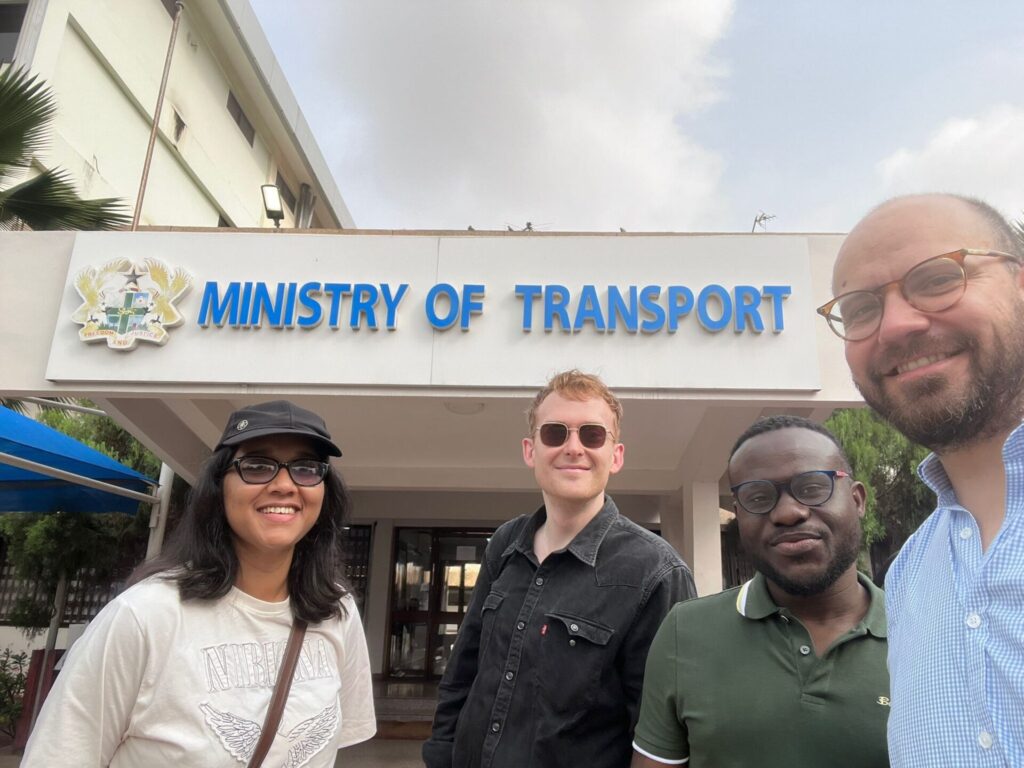
For CCG and the OSeMobility team, this presents a dual challenge: refine modelling tools to better capture lived realities and strengthen the bridge between research evidence and policy reform.
Rethinking How We Model Mobility
Several critical insights emerge for climate-compatible transport planning:
- Mobility is socially structured. Women’s travel patterns reflect caregiving and livelihood responsibilities, not individual preference alone.
- Economic capacity shapes access to comfort and safety. Higher-cost modes buy time, dignity, and reduced exposure to risk.
- Infrastructure deficits create gendered burdens. Poor sidewalks and lighting disproportionately affect women with children.
- Active mobility demand exists, but is suppressed. Safe infrastructure could unlock walking and cycling at scale.
- Private car aspiration reflects system failure. It signals dissatisfaction with public transport reliability and governance.
- Transport governance is central. Without fair regulation and enforcement, sustainability goals remain out of reach.
For modelling tools like OSeMobility, integrating these insights means moving far beyond aggregate flows and averaged behaviours. It requires embedding the realities of care‑related travel, perceptions of safety, fare volatility, and the uneven quality of infrastructure directly into scenario design. Only then can models reflect how mobility is actually experienced, not just how it is theorised.
Climate‑compatible growth is about more than decarbonising transport systems. It is about ensuring that the transition is inclusive, just, and grounded in lived experience. When women’s realities shape the assumptions behind the models, the policies that follow can truly serve the people they are meant to support.
From Workshop to Systemic Change
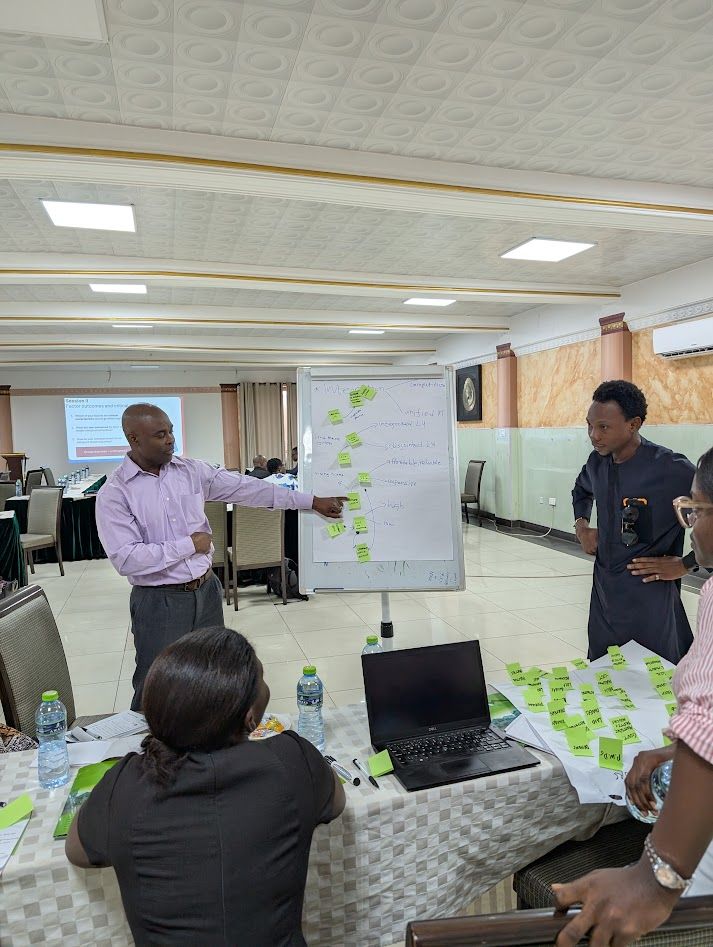
Both workshops, one held in a church in Madina and the other in a school complex in Kaneshie, were intentionally designed to minimise barriers to participation. By hosting the sessions within the women’s own communities, we ensured they could attend without incurring additional transport costs. Conversations unfolded in Twi and Ga, allowing participants to express themselves with authenticity and ease.
The women spoke openly, reassured that their identities would remain anonymous. They left energised, validated, and eager to stay engaged. Their insights now feed directly into ongoing efforts to refine OSeMobility and shape transport policy dialogue in Ghana and beyond.
Yet their message reaches further: climate‑compatible transport cannot be crafted solely from offices, models, or datasets. It must be co‑created with the people who navigate the system every day, whose livelihoods, safety, and dignity depend on its functioning.
If climate‑compatible growth is to be genuinely inclusive, it must centre care. It must recognise that mobility is not simply about moving people efficiently; it is about sustaining families, livelihoods, and entire communities.
When mobility is an obligation rather than a choice, transport planning becomes a matter of justice. And care, not cars, nor carbon, is the true foundation of meaningful climate action.