Malawi is a landlocked country in central Africa with significant reserves of rare earths, graphite, and rutile. As global demand for critical minerals rises, the country hopes to benefit and translate it into long-term, sustainable development.
According to the World Bank, Malawi currently ranks among the four poorest countries in the world, with more than 70% of its population living below the poverty line ($2.15 per day), making the development of the mineral sector, along with tourism and agriculture, a national priority. However, the development of the mining industry also comes with significant risks, such as environmental degradation, social conflict, and economic volatility, among others, that must be adequately considered.
Currently, the Central African country is at a strategic moment. With only one mine in operation, many mining projects loom on the horizon as companies continue their exploration activities, opening opportunities for institutional preparation and better coordination that allows the development of the sector in a way that benefits the country.
Conscious of the need to assess both the opportunities and risks, from 19 to 24 January 2025, a Climate Compatible Growth delegation, comprising Dr Samuel Stephenson, Dr Philip Mitchell, and Gretel Cuevas, visited Malawi to conduct a scoping report of the upcoming development of mining sector. Along with Prof. Chikondi Chisenga, the Executive Dean of the Malawi University of Science and Technology (MUST), and Emmanuel Chinkaka, a lecturer at the same university, the delegation met with stakeholders from the public and private sectors and civil society organisations working to develop Malawi’s mining industry.
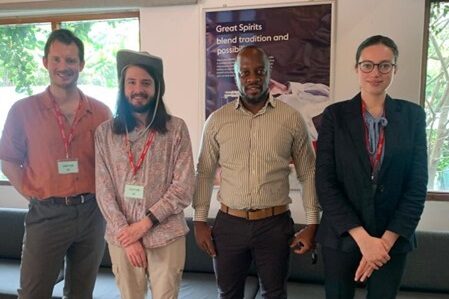
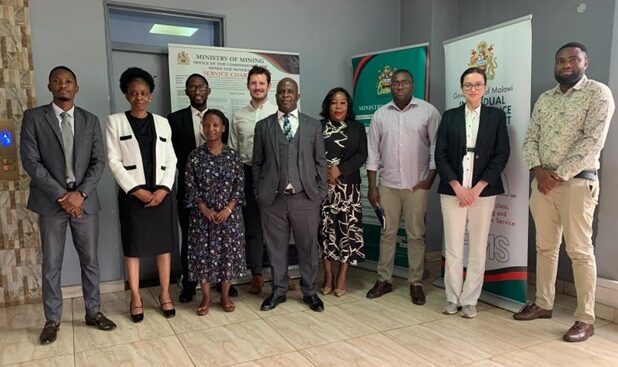
Top: CCG and the team of the Malawi Value Chain Project, a component of the Malawi Trade and Investment Programme (MTIP), a 5-year FCDO-funded initiative. Bottom: CCG and MUST delegation at the Malawi Environment Protection Authority.
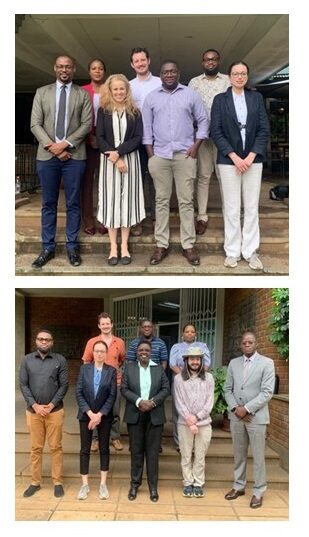
The delegation met with five mining companies, including the state-owned company Malawi Mining Investment Companies (MAMICO), five civil society organisations and government representatives from the Ministry of Mining, the Malawi Investment and Trade Centre, the Malawi Environment Protection Authority, and the Malawi Chamber of Mines.
The team also visited the Songwe Hill Rare Earths Deposit, currently under exploration by Mkango Resources Ltd.
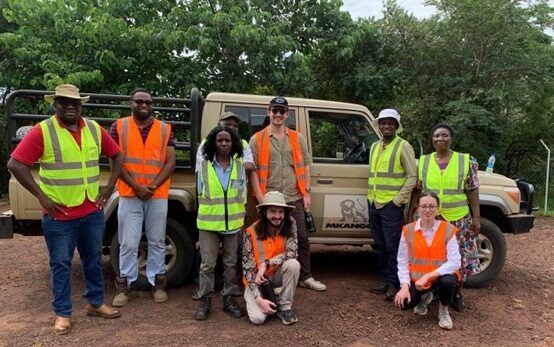
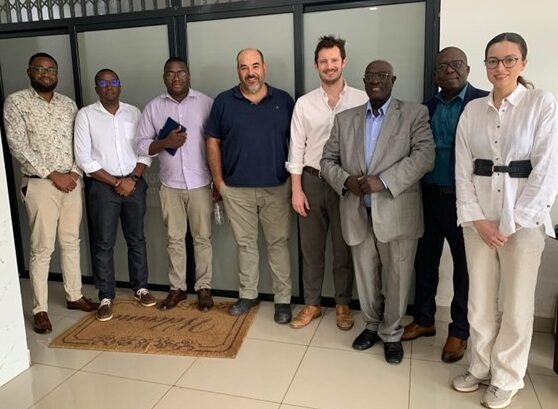
The objective of the trip was to identify key opportunities and challenges as the mining sector develops, as well as potential avenues for the country’s socioeconomic development.
The CCG team has the expertise to undertake this analysis due to its multidisciplinary composition. The team is comprised of mining experts, engineers, and policy specialists who bring a wealth of knowledge and experience to the table.
This diverse skill set enables the CCG team to assess complex interactions within the mining sector and its impacts on broader economic and environmental factors, ensuring a comprehensive approach to sustainable development.
Daniel Thanthwe Kachale, Private Sector Development Adviser for the British High Commission in Lilongwe, emphasised the need for a multidisciplinary approach that considers the multidimensionality of challenges surrounding mineral-led development.
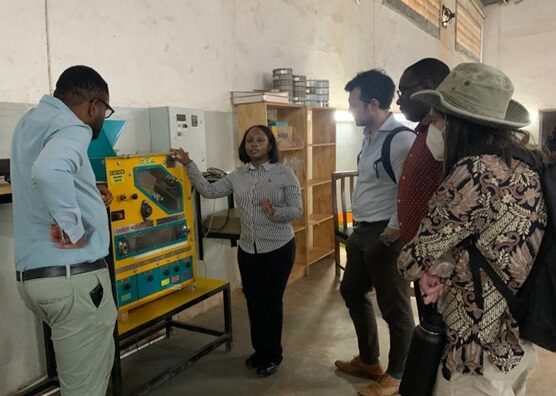
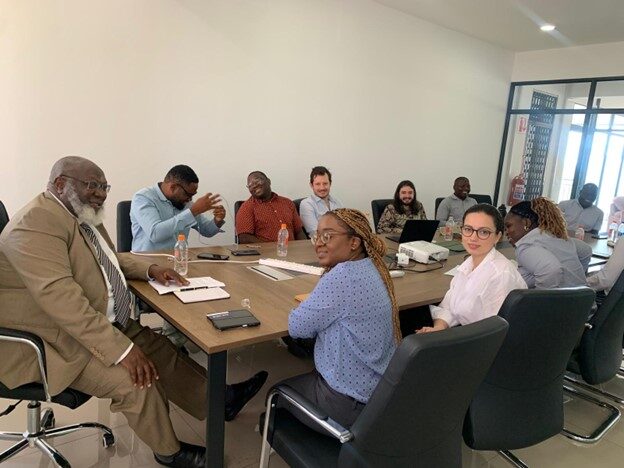
Prof. Leonard Kalindekafe, Chief Executive Officer of MAMICO
While extensive reserves, the quality of local human capital, and the stability of the country offer significant opportunities for economic success, key overlapping challenges were identified, underscoring the need for further research and cooperation to develop strategies to mitigate these risks.
The need to increase institutional capacity remains central to the challenges facing both the private and the public sectors. While the private sector constantly faces administrative delays that obstruct access to finance and operations, the public sector often struggles to implement the policies and regulations necessary for sustainable development due to a lack of institutional coordination and weak institutional capacity. On the other hand, members of civil society expressed the need for greater transparency in operations and mechanisms for community engagement, including community benefit agreements and other environmental protection regulations.
It is hoped that this will be the first of many missions to develop a comprehensive, integrated national strategy that mitigates the risks of developing the mining sector while fostering economic development.