

Vivien Foster, of CCG and Imperial College London, spent the first week of COP31 in Antalya, Türkiye with other CCG colleagues. As always, CCG was involved in several of its own events, plus speaking roles at other organisations’ events, panel membership and attendance at press conferences and receptions. On top of this COP is an excellent opportunity for meetings to take place with other potential partners or funders and other interested parties so it is a very busy time for the team. Generously, Vivien took a little time on Thursday night to reflect on all that had unfolded so far.
The first frantic week of COP31 in Antalya Türkiye is drawing to a close. It has been the usual kaleidoscope of glitzy pavilions, passing dignitaries, and competing microphones.
Neither was there any shortage of the kind of colourful flourishes that bring a distinctive local identity to each COP. Delegates were serenaded by Turkish bagpipes and Ottoman marching bands, and treated to wholesome low carbon vegan meals by one of Türkiye’s TV chefs.
As things momentarily quieten down, and delegations brace for the second week, two words stand out from the maelstrom of presentations, panels and dialogues: electrification and implementation.
First, electrification.
The Turkish Presidency has put forward for global consideration a target of 35% electrification by 2035. (This would mean 35% of global energy consumption taking the form of electricity up from around 23% currently.) At least on the Action Agenda side of COP31, this proposal has been greeted with enthusiasm. With considerable momentum already built up behind renewable power generation and associated sustained cost reductions, switching more economic activities from fossil fuels to electricity is the logical next step to capitalize on emissions reductions.
This also has the advantage of leveraging converging innovations in sectors like electricity mobility and electric cooking, which have seen considerable technological advances and falling costs in recent years. Electrifying such activities not only facilitates switching to lower carbon energy sources in many cases, but also brings significant energy efficiency dividends.
Nevertheless, it was widely acknowledged that electricity grids, both for transmission and distribution, are one of the most challenging obstacles for meeting this goal. Whereas financing and development models for renewable power generation are now quite well understood, grid infrastructure is significantly harder to deliver in view of land requirements, and supply chain bottlenecks for critical materials such as copper, not to mention the precarious finances of the public utilities that build and own them. A focus on electrification therefore necessarily means a focus on grids.
Next, implementation.
The message from many country delegates is that while they are committed to climate transition, and have formulated ambitious climate transition plans, they feel stuck on implementation, and are particularly concerned to identify where the money is going to come from.
In anticipation of this predicament, the COP31 Presidency has been working on an initiative called The BRIDGE, which aims to package intensive capacity building with support that “bridges” planning through to project pipelines and transaction structuring. At least a half dozen countries have already signed up for this treatment, including COP32 host Ethiopia.
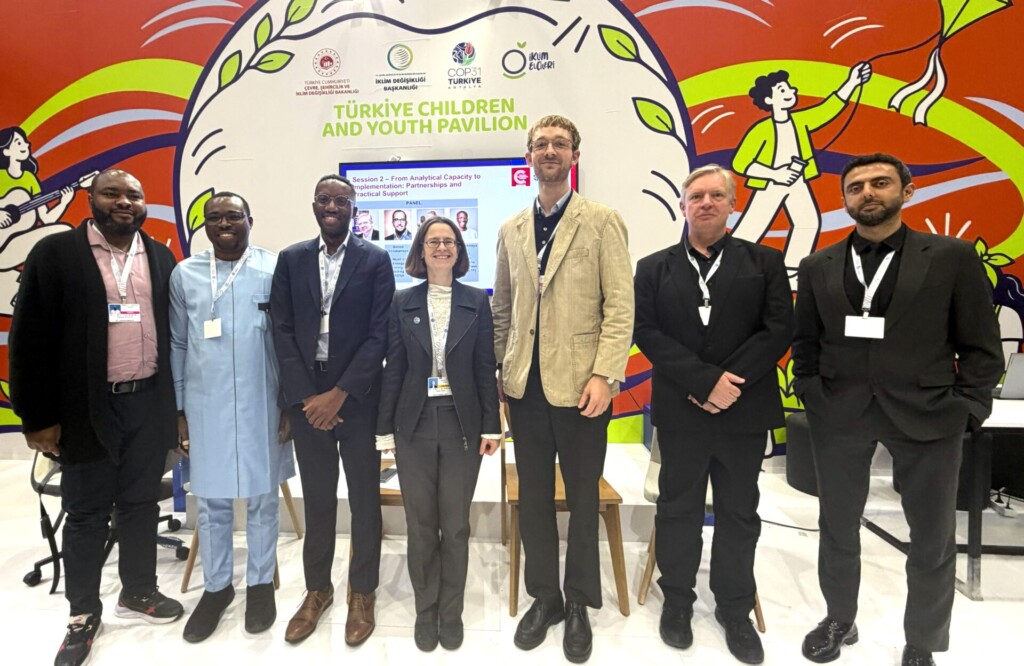
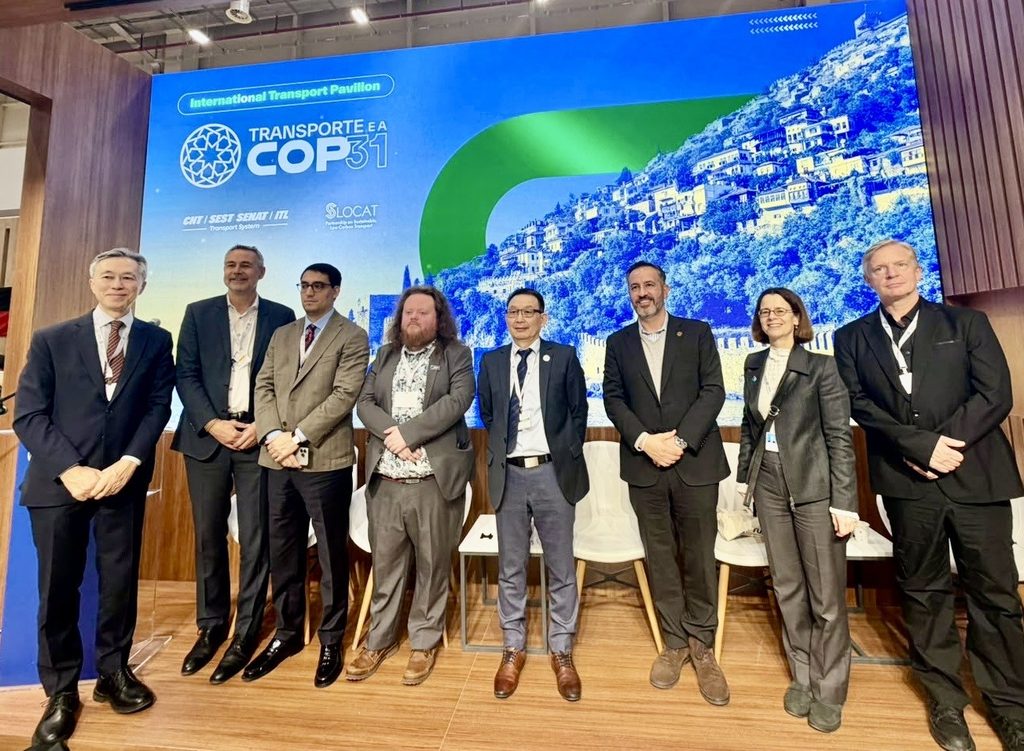
From the perspective of Climate Compatible Growth, there is much to celebrate in the COP31 agenda. There is also a strong sense of alignment and the sense that our programme is well poised to come behind our partner countries to accelerate implementation.
CCG’s spin-off Green Grids Initiative has been wrestling with transmission challenges for some time, and has much knowhow to offer countries needing to optimize capacity of existing infrastructure, ease supply chain bottlenecks, and harness climate finance. Meanwhile, CCG’s systemwide planning tools such as CLEWS++ can identify least cost pathways for broader electrification of energy systems. Emerging transport tools such as OSeMOBILITY can guide efforts to electrify transport, while efforts by CCG’s Ayrton sister programme MECS are charting a course for greater electrification of cooking.
When it comes to implementation, CCG’s Data-to-Deal framework is a proven approach to following through from planning to capital mobilization. With its new suite of financing tools – MINFin, FinTrack and FinCORE – CCG is particularly well placed to bring financial realism to the planning process.
A key feature of the BRIDGE that is mirrored in D2D, and increasingly demanded by countries, is an approach for building long term capacity for countries to drive their own implementation process. CCG’s extensive menu of capacity building services supports tailored application to country requirements, while its delivery model emphasizing partnership with local universities enhances sustainability.
It remains to be seen where Negotiators will finally emerge on these issues from the second week’s deliberations. But, whatever the outcome, CCG stands ready to support the coalition of the willing. COP31 confirms and vindicates the focus of our work in recent years and leaves us with the sense that the ideas we have been working on for some time now are ideas whose time has come.