
Over the past five years, support from CCG helped the Climate Parliament develop and deliver key initiatives. The partnership allowed the Climate Parliament to turn research into influence. It gave the organisation the stability to maintain steady engagement with ministers, officials and MPs across Africa and South Asia and to keep bringing the right people together at the right moments. Crucially, it allowed them to connect MPs with other key stakeholders such as renewable energy developers, development banks and other institutions.

When CCG was launched, it was largely a consortium of universities including the University of Oxford, the University of Cambridge and Imperial College London producing detailed modelling on energy systems and low carbon development pathways for low- and middle-income countries. Their work examined the economic and technical implications of different energy choices.
Climate Parliament joined CCG to ensure that this research reached decision makers rather than remaining within academic reports. The aim was to take complex energy modelling and put it in front of people shaping national energy systems including ministers, officials and parliamentarians. It also meant connecting them with investors, developers and development banks.
Climate Parliament focused on building those links. Through meetings, working groups and COP events, MPs engaged directly with renewable energy developers, multilaterals and technical experts. These were not one-off discussions. They were part of ongoing engagement. Sustained engagement was essential. Without it, relationships slow down and momentum is lost. With it, ideas move forward and turn into projects.
A large part of this work took place through the Green Grids Initiative (GGI). Climate Partliament had been developing this since 2014. The idea behind it was straightforward, countries cannot rely on renewables alone if they operate in isolation. But if grids are connected across borders, countries can share power and use renewable energy more reliably and at a greater scale.
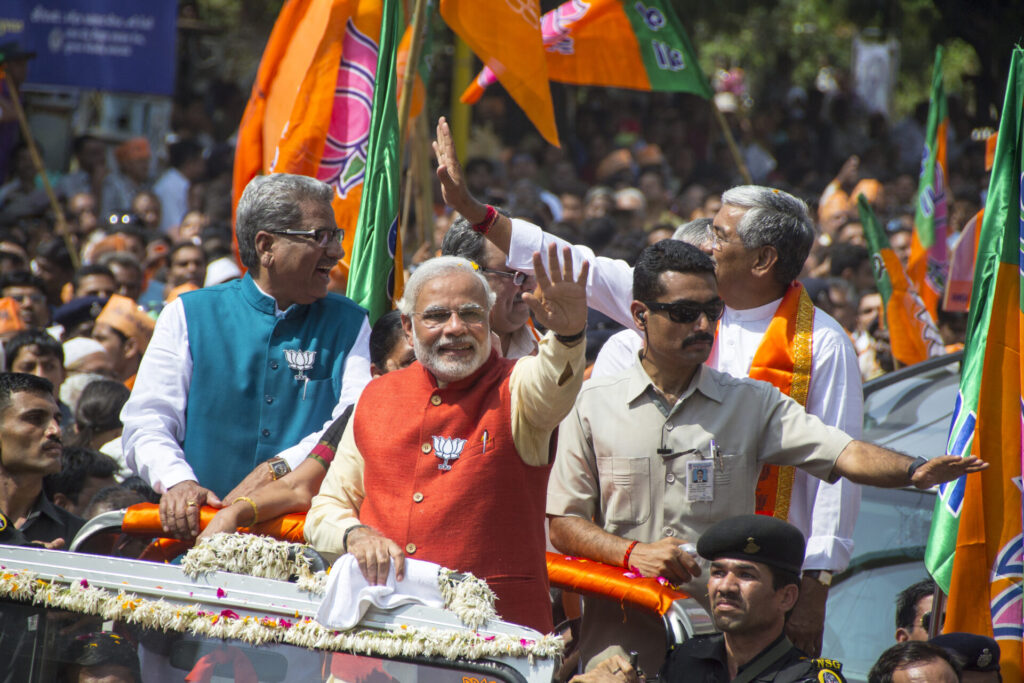
A key moment came in early 2021. At a meeting at Wilton Park, UK officials and Climate Parliament were discussing how to take this work forward. At the same time in India, discussions with Prime Minister Narendra Modi introduced the idea of global grid interconnection. Prime Minister Modi responded positively. This led to India’s One Sun One World One Grid vision and opened the door for collaboration with the UK.
With backing from CCG, CP helped build and launch the initiative. Behind the scenes CP played a major coordination role. It helped organise meetings, prepare working group discussions and keep momentum going between governments, financial institutions and technical experts.
Throughout 2021, regular meetings brought together governments, development banks and technical experts. These included ACWA Power, the Asian Development Bank, the European Bank for Reconstruction and Development and many others. Working groups were set up to focus on delivery. The Africa group led by the African Development Bank looked at regional interconnectors. The Asia Pacific group, led by the Economic and Social Commission for Asia and the Pacific, focused on cross-border projects. These groups met regularly, often monthly, creating space where governments, financiers, developers and MPs could work through real issues together. The GGI was also endorsed by the International Solar Alliance before its launch.
GGI was formally launched at COP 26 in Glasgow at the world leaders’ summit. The UK Prime Minister Boris Johnson and Prime Minister Modi announced the initiative together backed by a broad coalition of government and partners. More than 80 countries endorsed the One Sun declaration -which had been originally drafted by the Climate Parliament – setting out a shared commitment to expand renewable energy and build the grids needed to connect it.
During COP26 Climate Parliament convened parallel discussions bringing together renewable energy developers, financiers and ministers, with CCG researchers presenting their work so that the political discussions were grounded in evidence.
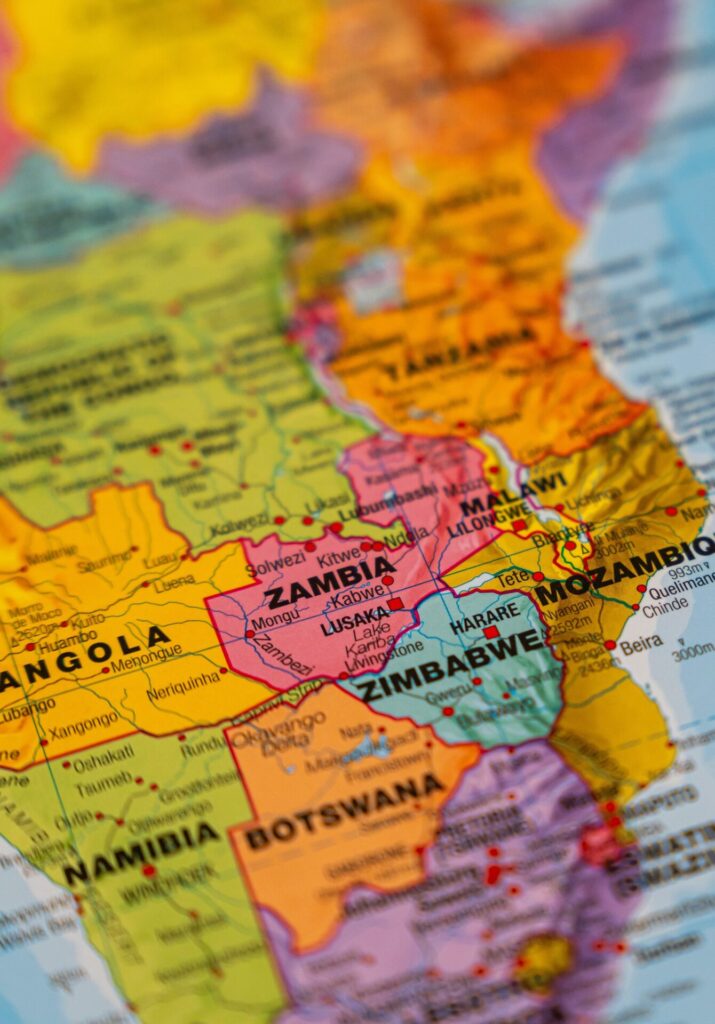
In March 2022 a two-day meeting at Wilton Park brought together around 40 participants from government, development banks and regional organisations, where the group agreed a set of priority projects. At the suggestion of Climate Parliament, the Africa group selected the ZiZaBoNa interconnector linking Zimbabwe, Zambia, Botswana and Namibia as a key project. In Asia attention centred on strengthening the ASEAN Power Grid and advancing large scale cross border renewable energy projects.
From 2021 to early 2024 CCG support allowed work to continue. Regular meetings of the working groups took place every month or six weeks. In person meetings were held in Bangkok for the Asia Pacific working group. Parliamentary engagement continued alongside this technical work, ensuring that MPs remained part of the conversation about regional energy planning.
CCG also facilitated parliamentary meetings linked to COP27 in Sharm el Sheikh, COP28 in Dubai, COP29 in Baku and COP30 in Belem. Ahead of COP27 a major meeting was held in Luxor bringing together more than one hundred parliamentarians from Africa and South Asia. These gatherings allowed MPs to discuss grids and interconnection alongside investors, development banks and technical experts.
The same approach led to more focused technical work. At an IRENA Assembly in Abu Dhabi, Climate Parliament convened a meeting with India’s Permanent Secretary for New and Renewable Energy and invited CCG representatives. This created a direct link between policymakers and the CCG research network. Following this, CCG developed a study on power trade between India and the Gulf. The Gulf Undersea India interconnector study looked at how renewable energy could be shared across regions using undersea cables. This study tested the economic case for transmitting solar power from the Gulf to India and in the other direction when needed. It showed how differences in demand and time zones could make this approach viable.
This was a clear example of how the partnership worked. Climate Parliament opened the door to government engagement, CCG provided the analysis to test the idea and aid further discussion. CCG support also allowed Climate Parliament to keep its networks active and build new areas of work. This included early development on Green Energy Zones (GEZ). The idea was to focus investment through a zonal approach and show how renewable energy could deliver clear economic benefits. This in turn laid the foundations for the Parliamentarians for Climate Finance project, now a multimillion-dollar initiative funded by the Green Climate Fund.
Their backing also allowed Climate Parliament to transition the work on GEZs into Green Energy Constituencies. This has led to a tangible national outcome. In Zambia engagement with MPs helped drive discussions that reached the President, which contributed to the development of the Presidential Constituency Energy Initiative. This initiative aims to install a 2 MW solar plant in each of Zambia’s 156 constituencies, with an initial investment of USD $100 million and the potential to transform the country’s energy landscape.
Across all this work CCG support has allowed the Climate Parliament to maintain and expand its network of MPs and keep working groups active. Without regular meetings and dialogue, both the political momentum and the technical collaboration behind the initiative would have slowed.
Over five years, the partnership showed what sustained collaboration can achieve. It connected research with decision makers, kept political networks active and helped move ideas from early discussion into practical projects.