What was the origin of the EMP in Ethiopia?
The journey toward establishing the EMP in Ethiopia began with my participation in the EMP-Africa held in Ghana in 2024. Deeply inspired by the experience, I shared the insights with my colleagues upon my return. This initial spark led to a significant capacity-building effort within our team: two of my colleagues subsequently specialized in MAED, while three of us received advanced training in OSeMOSYS during the 2025 EMP-Africa, facilitated by the innovative scholars bootcamp developed by the Climate Compatible Growth (CCG) programme. We were the first cohort to undergo this integrated training.
Building on this foundation, we are now finalizing a manuscript that applies an integrated MAED and OSeMOSYS modeling framework to the Ethiopian energy system. Throughout this process, CCG has provided invaluable support by assigning Fernando Plazas Nino and Fynn Kiley as our dedicated mentors and coaches.
The exposure gained from these two EMP-Africa training rounds galvanized our ambition to deepen energy modeling expertise and expand its practical application within Ethiopia. This momentum quickly led to a strategic partnership with the Transforming Energy Access Learning Partnership (TEA-LP) at the University of Cape Town, South Africa. With their support, we secured funding to organize and deliver our own energy modeling training at Jimma University.
Concurrently, we maintained active discussions with Fernando, Rudolf Yeganyan, and Fynn Kiley from CCG regarding the provision of experienced trainers. These collaborative efforts culminated in the successful launch of the EMP-Ethiopia.
What was your role during the event?
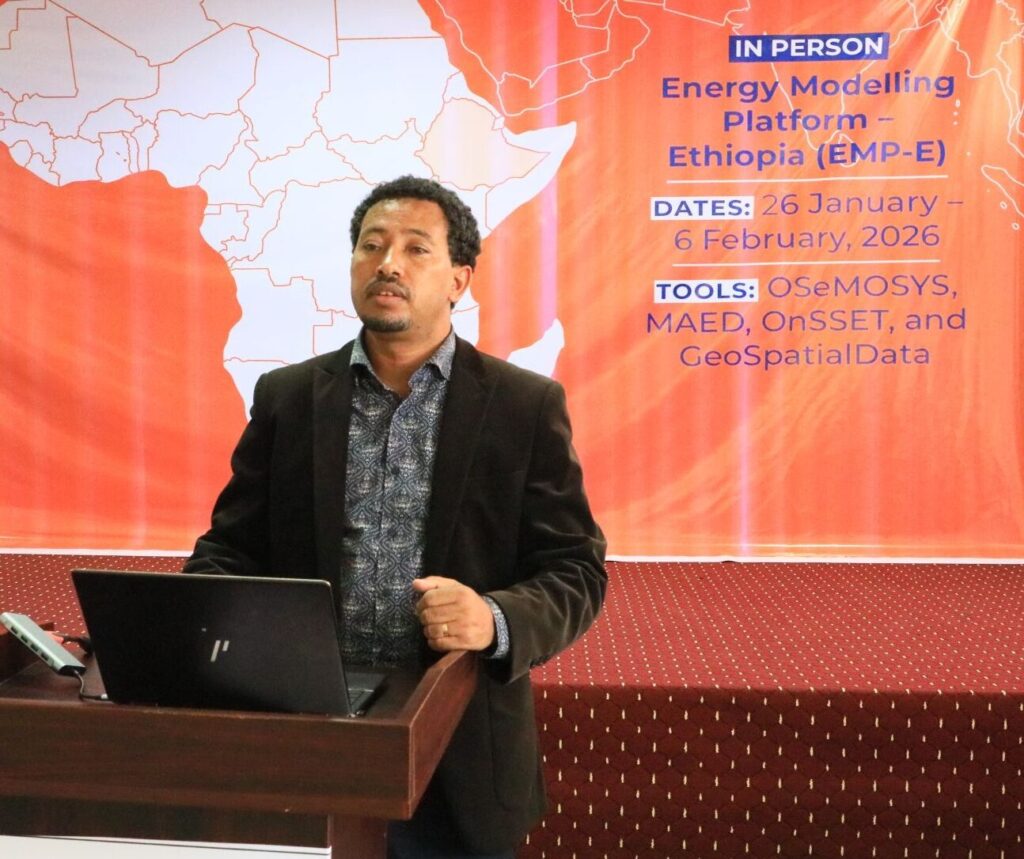
EMP-E was organized and delivered collaboratively under the auspices of the Renewable Energy Research, Development and Training Centre. Responsibilities were distributed across the team. In this context, I served as the overall Program Coordinator and also contributed as a co-trainer for the OSeMOSYS track.
How do you think it went? Were you pleased with it?
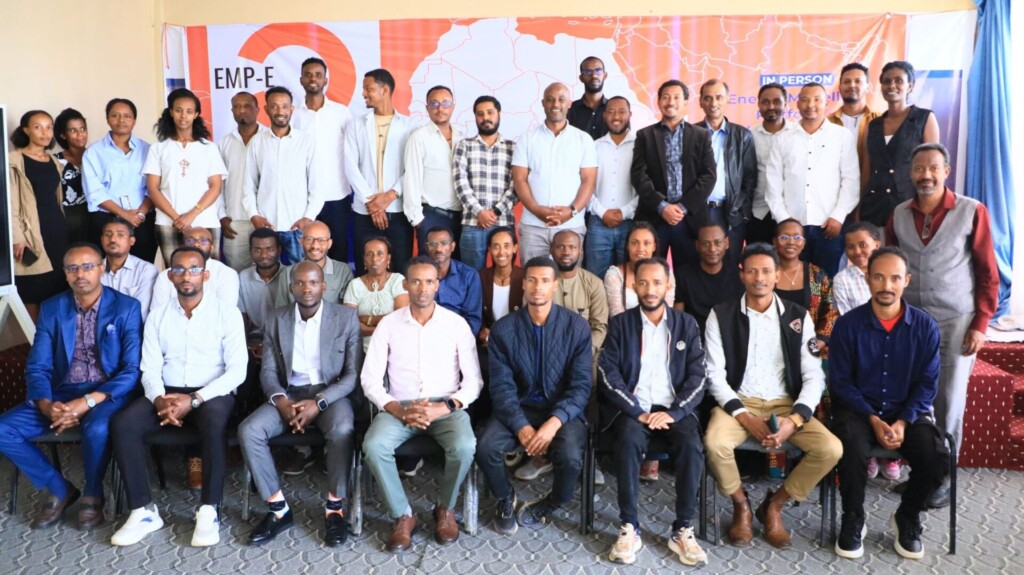
We were exceptionally pleased with the outcome, though the initial response was overwhelmingly positive. While we had originally planned for approximately 30 participants, we received close to 320 applications, representing around 45 universities and numerous companies, not only from Ethiopia but also from several other countries. We placed a strong emphasis on selecting highly committed individuals. Notably, we accepted two applicants from senior management positions at the Ethiopian Electric Utility and Ethiopian Electric Power. Despite initial concerns about their availability, their engagement was exemplary. All participants demonstrated remarkable dedication, often working on their projects until 8 PM.
How do you think it went? Were you pleased with it?
We were exceptionally pleased with the outcome, though the initial response was overwhelmingly positive. While we had originally planned for approximately 30 participants, we received close to 320 applications, representing around 45 universities and numerous companies, not only from Ethiopia but also from several other countries. We placed a strong emphasis on selecting highly committed individuals.
Notably, we accepted two applicants from senior management positions at the Ethiopian Electric Utility and Ethiopian Electric Power. Despite initial concerns about their availability, their engagement was exemplary. All participants demonstrated remarkable dedication, often working on their projects until 8 PM.
What type of organisations were there?
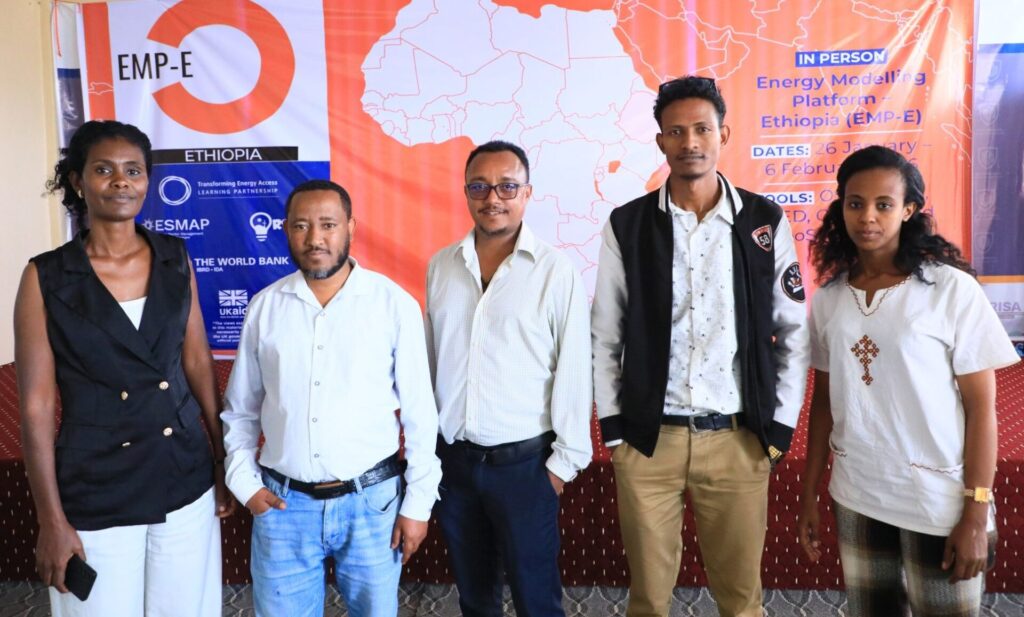
The participant cohort represented a diverse range of institutions, including our own university staff and postgraduate MSc students, as well as key national stakeholders such as the Ethiopian Electric Utility, Ethiopian Electric Power, and the Ministry of Water and Energy. For the training, the 30 participants were organized into groups and assigned to one of four sectoral tracks: industry, residential, transport, and commercial. In addition to these core sectors, the program also featured dedicated engagements on rural electrification and data governance.
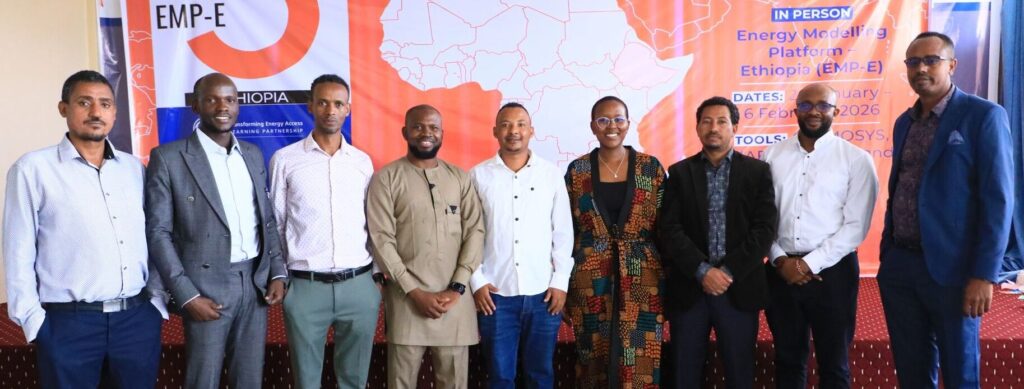
What do you hope the impact will be now these people have been trained?
The participants have now acquired the capability to develop energy scenarios from inception to final presentation. We anticipate they will actively apply these skills within their respective institutions, whether in industry, policymaking, or academia. Furthermore, we hope they will continue to advance their expertise by exploring additional modeling tools. For those in academia, we expect this training to facilitate robust research that can inform and influence future energy policy in Ethiopia.
Finally, I would like to extend our sincere gratitude to our collaborators—TEA-LP, CCG, and the World Bank. It is our hope that this partnership will endure and help us realize our vision of establishing a leading energy modeling hub for Ethiopia and potentially the wider region. We look forward to training more participants from universities, industry, and government in the years to come.