
CCG Director, Mark Howells, (a joint appointment at the University of Loughborough and Imperial College London) attended two weeks of COP31, and his packed schedule included meetings at the highest level with the COP31 Presidency and major international organisations and governments. As well as contributing to CCG’s own events, Mark was an expert guest at several other events organised by partners in the Climate sector. Outside of the scheduled events, Mark and the team held several one to one meetings with interested parties to explore opportunities for joint working and funding. Here Mark reflects on his time at COP and one particular highlight.
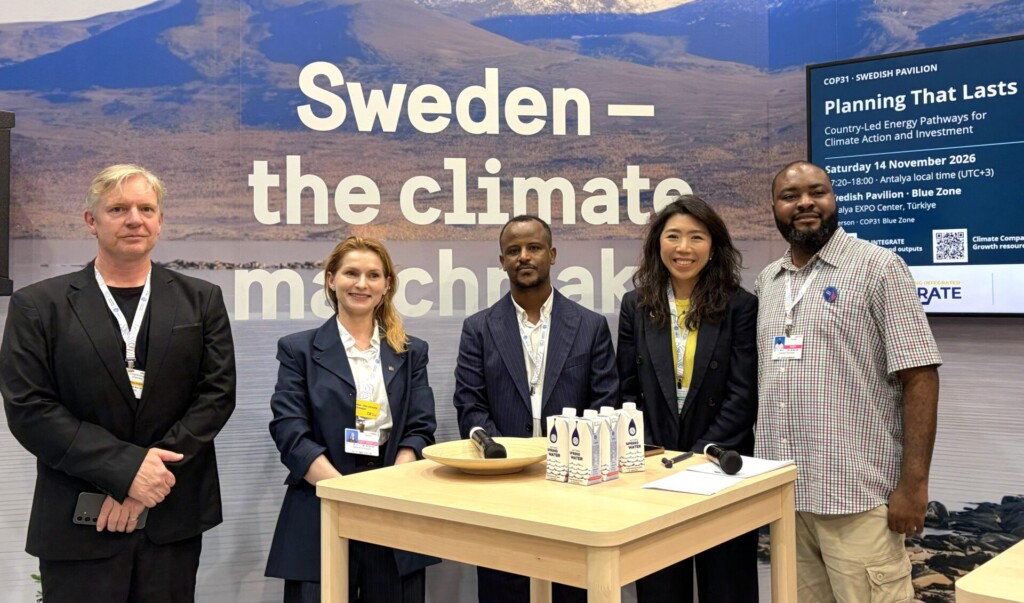
One of the most heartwarming meetings at COP31 brought together Abdurrahim Durmuş, a driving force behind Türkiye’s national climate modelling efforts; Andreas Fazekas-Seel of the European Commission (DG CLIMA); and CCG.
At its heart was Türkiye’s remarkable progress in using data and integrated modelling to connect climate ambition with investment through Data-to-Deal workflows.
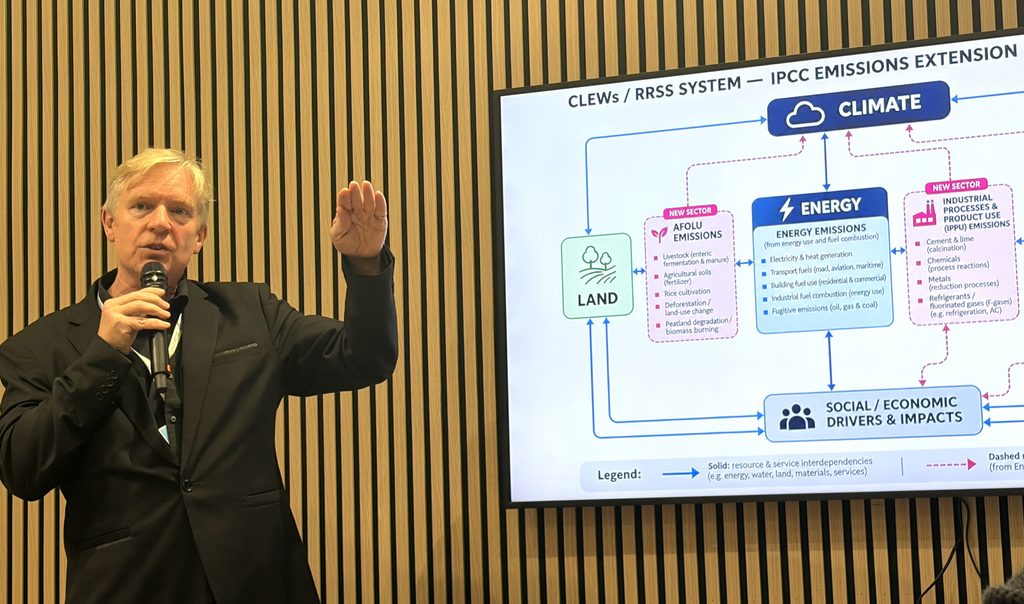
Working with CCG’s outstanding Thomas Alfstad and Georgios Avgerinopoulos, the Turkish team co-created CLEWS++, a first-of-its-kind, fully open-source integrated modelling platform, freely available with online learning materials. Its openness enables faster, auditable financial analysis, reproducible results and transparent emissions reporting.
Reconciled with Türkiye’s national energy balance and covering all IPCC emissions sectors, CLEWS++ represents the entire physical economy and its natural resources in one model. Crucially, the Turkish team engaged deeply with line ministries to ensure national ownership, sectoral detail and the ability to identify investment options for rapid financial appraisal.
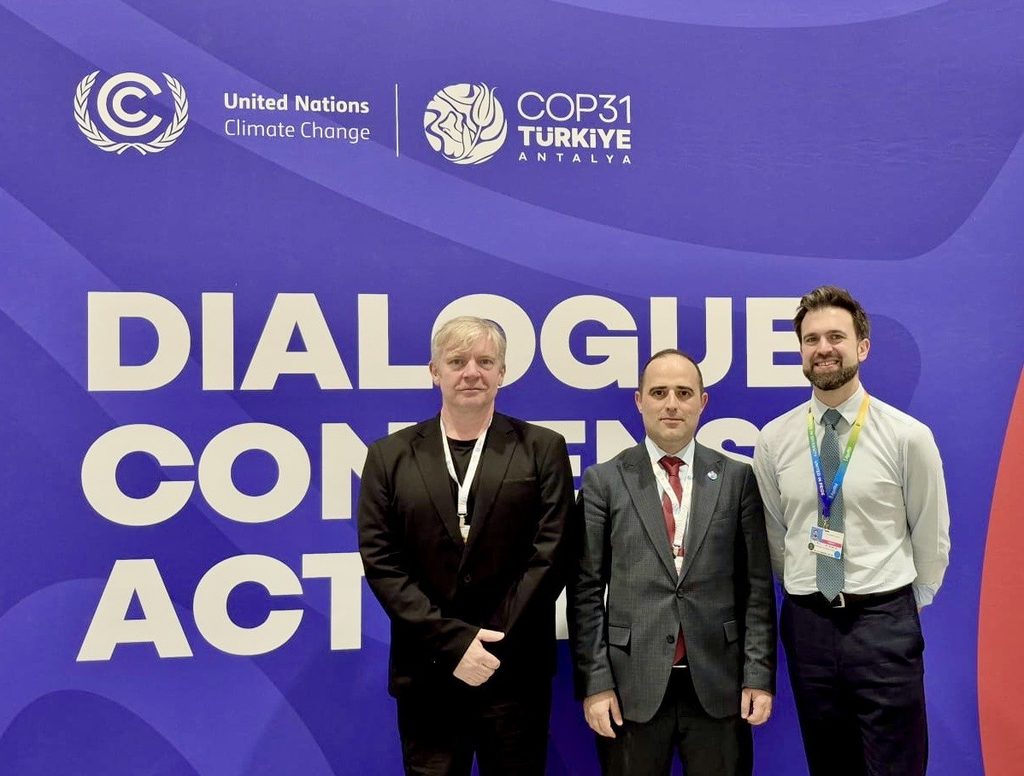
This collaboration has helped shape Türkiye’s Long-Term Climate Strategy and NDCs, exploring lower-emissions futures while bringing national climate plans closer to finance and helping inform the COP31 Climate Implementation Bridge.
We discussed showcasing Türkiye’s approach internationally, particularly through exchanges with developing countries and contributions from the European Commission. Further engagement between the Commission and Türkiye is envisaged through CCG, Loughborough University and the EMPOWER project.
What made this so special was seeing years of genuine collaboration become lasting national capability. Not simply a sophisticated model, but a transparent, freely accessible way to turn climate ambition into financeable action, with lessons that can benefit countries everywhere.
A wonderful reminder of what committed people, trust and partnership can achieve.
For the rest of COP31, across discussions on electrification, grids, transport and finance, one message stands out: lasting progress depends on countries owning the tools, skills and institutions to shape their futures.
CCG is privileged to work with the UK’s FCDO, whose funding supports our partnership with Loughborough University, Cambridge University, Oxford University, Imperial College London, UCL, Strathclyde University, the Open University and KTH, alongside the Centre for Global Equality.
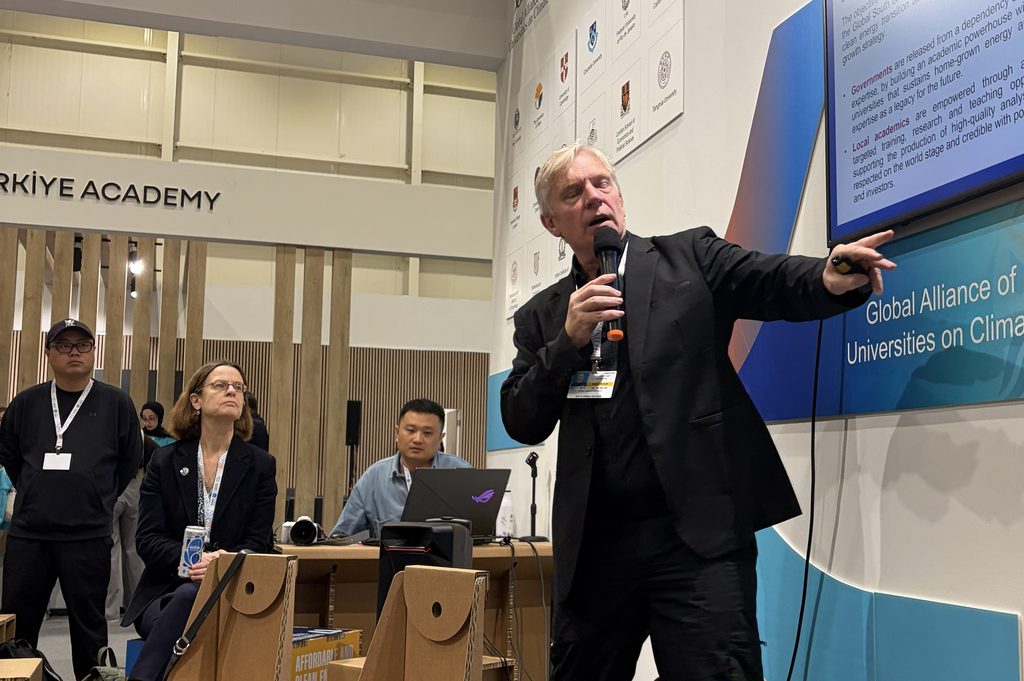
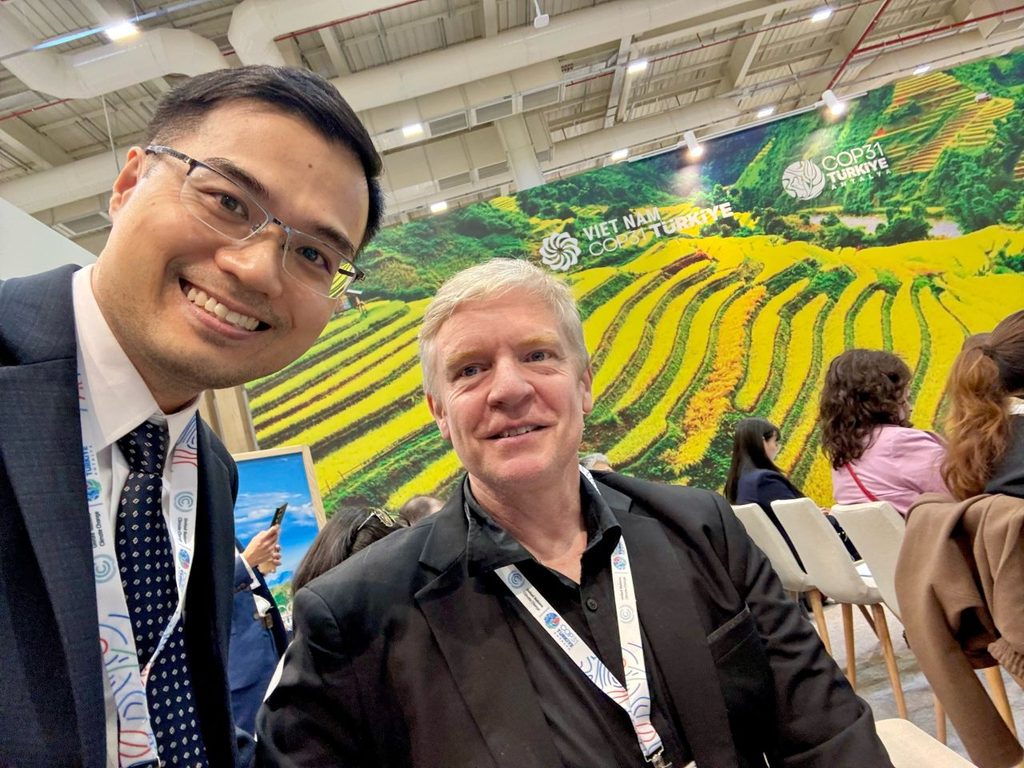
Particularly inspiring were Clement Sichimwa, Lecturer and Researcher at the University of Zambia, sharing Zambia’s journey towards lasting national modelling capacity, and Dr Nguyen Hoang Nam, Lecturer and Senior Policy Advisor at National Economics University, Viet Nam, demonstrating how universities can connect research, government and implementation.
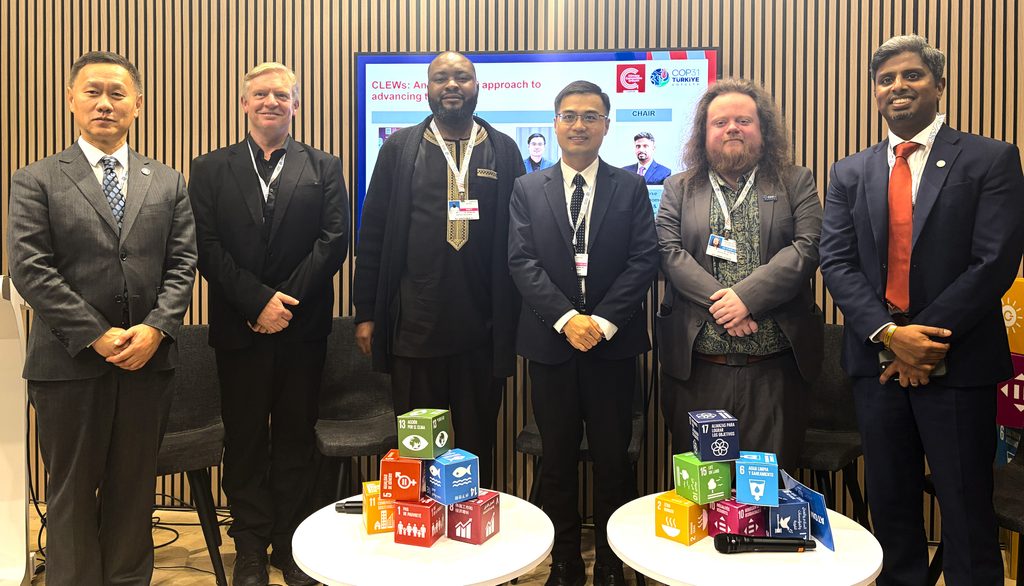
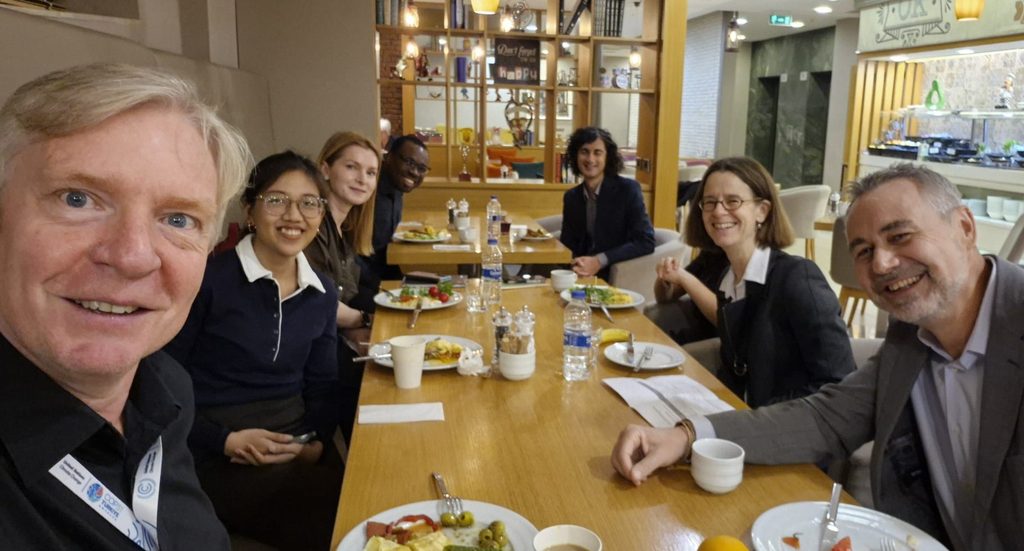
Special thanks to Nadya Felia, who helped hold everything together while also being officially asked to represent the Asian youth in a COP31 discussion on electrification skills! And enormous appreciation to Vivien Foster, CCG’s lead for International Partnerships, whose quick thinking and tactical nous guided our delegation.
Whatever the final negotiations did or didn’t bring, we are already seeing the impact of partnerships built on trust, open knowledge and shared purpose.
On behalf of CCG, thank you to everyone making this possible. What a privilege to work together, and what an exciting opportunity to build on this momentum!