
CCG’s lead on Sustainable Transport, Holger Dalkmann reflects on the current volatility in world politics and energy supply chains, and sees an opportunity.
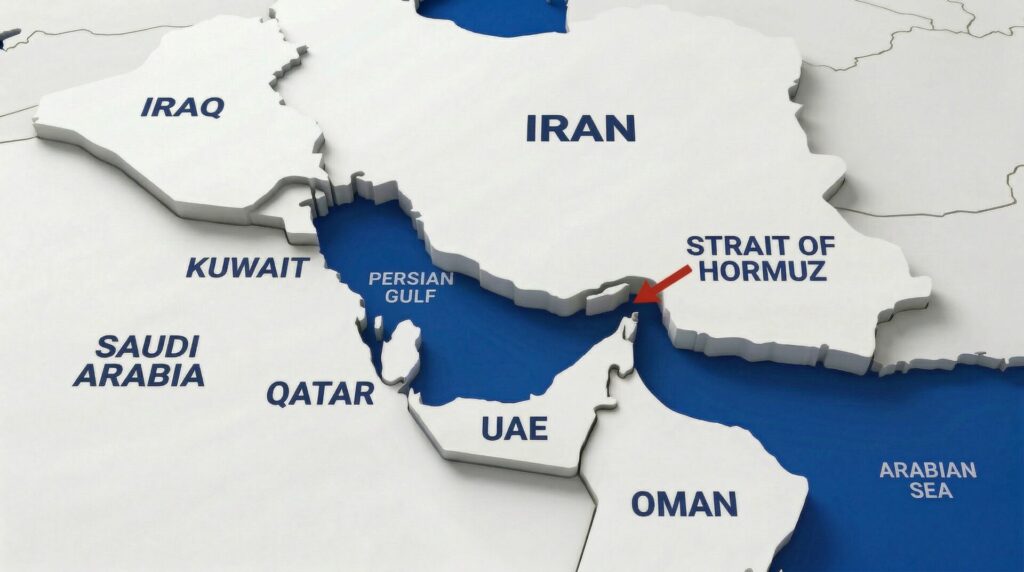
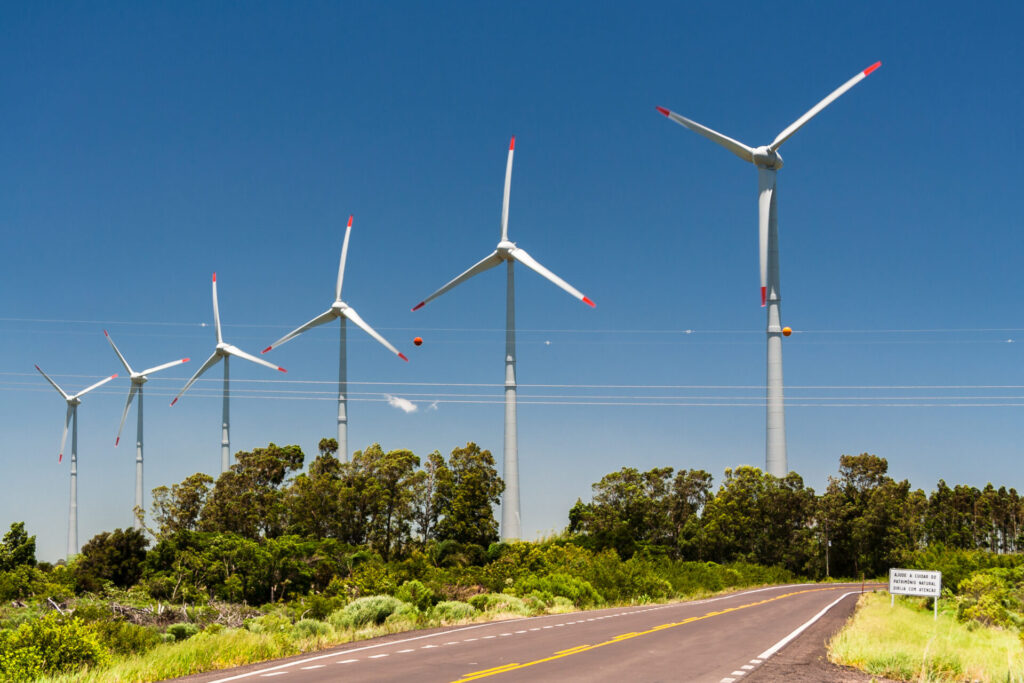
The current global energy crisis, intensified by geopolitical conflicts and the volatility of international markets, once again exposes the world’s persistent dependence on fossil fuels. With land transport still 96% reliant on oil [1], it remains the sector most vulnerable to price shocks and supply disruptions. This crisis not only exposes countries to economic instability and environmental risks, but also creates a pivotal moment for change. Moving toward energy sovereignty requires rethinking mobility to reduce energy consumption and emissions. That means growing more efficient modes such as public transport, walking, and cycling, while accelerating the shift from fossil fuels to renewable energy. By embracing cleaner, smarter mobility, transport can be transformed from a liability into a cornerstone of sustainable economic progress.
While national governments face mounting pressure to shield households from rising costs, there is also growing momentum for collective action. At COP30, more than 90 countries committed to phasing out fossil fuels, and Colombia together with the Netherlands convened the Santa Marta Conference [2] in April to bring governments, experts, and civil society together around the urgency of accelerating this transition.[3] Eleven countries went further, agreeing to a global transport goal for fossil fuel phase‑out. [4] These developments highlight that crises are not only shocks to be cushioned but decision windows that can accelerate structural transformation – or, conversely, reinforce familiar patterns of dependence and vulnerability.
Government responses: from transformational to strengthening the status quo
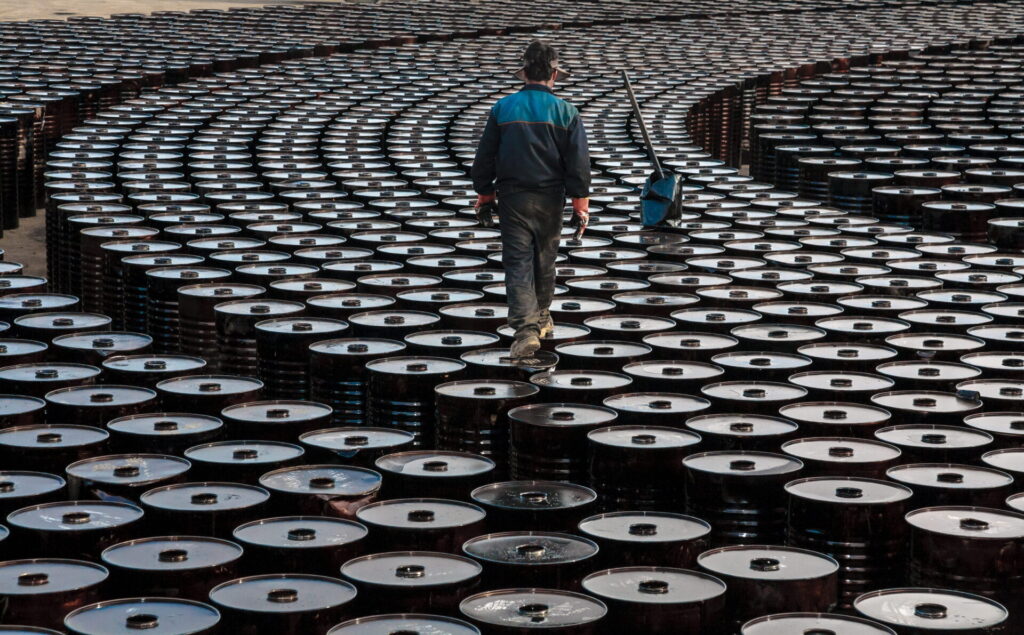
National strategies differ greatly. Some governments pursue bold reforms to reshape mobility, while others reinforce the status quo with fuel subsidies. Broadly, three responses emerge. The first is transformational: investing in affordable public transport and accelerating renewable-powered electrification. The second is compensatory: combining fuel subsidies with limited support for alternatives, offering short-term relief while nudging gradual change. The third entrenches the status quo; lowering fuel taxes or expanding subsidies to keep fossil fuels cheap, deepening oil dependence and vulnerability to shocks.
Transformational Action
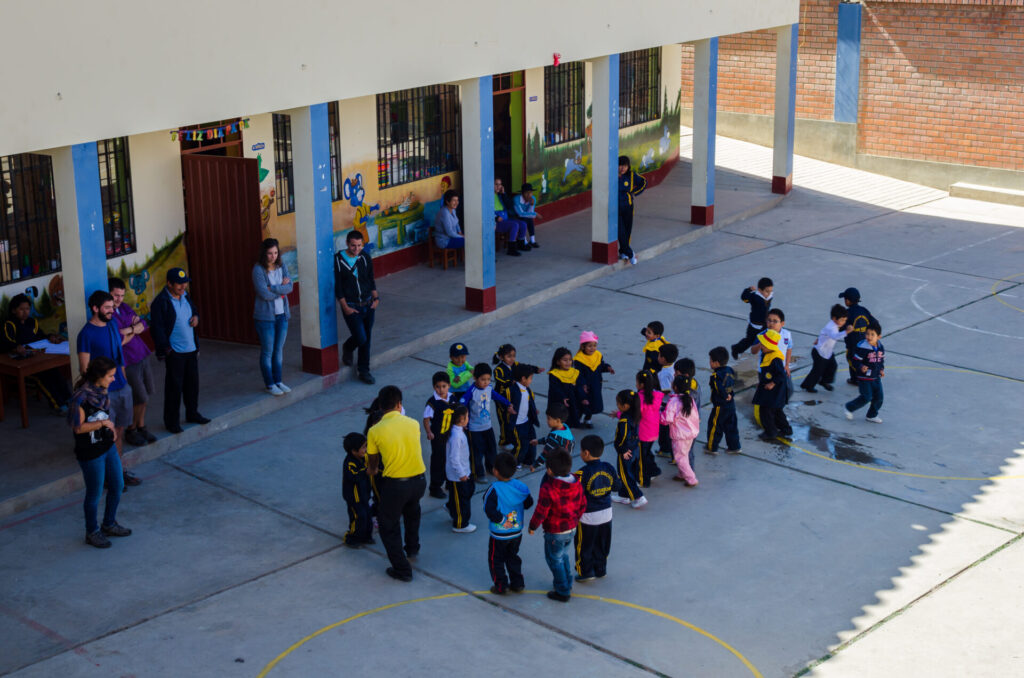
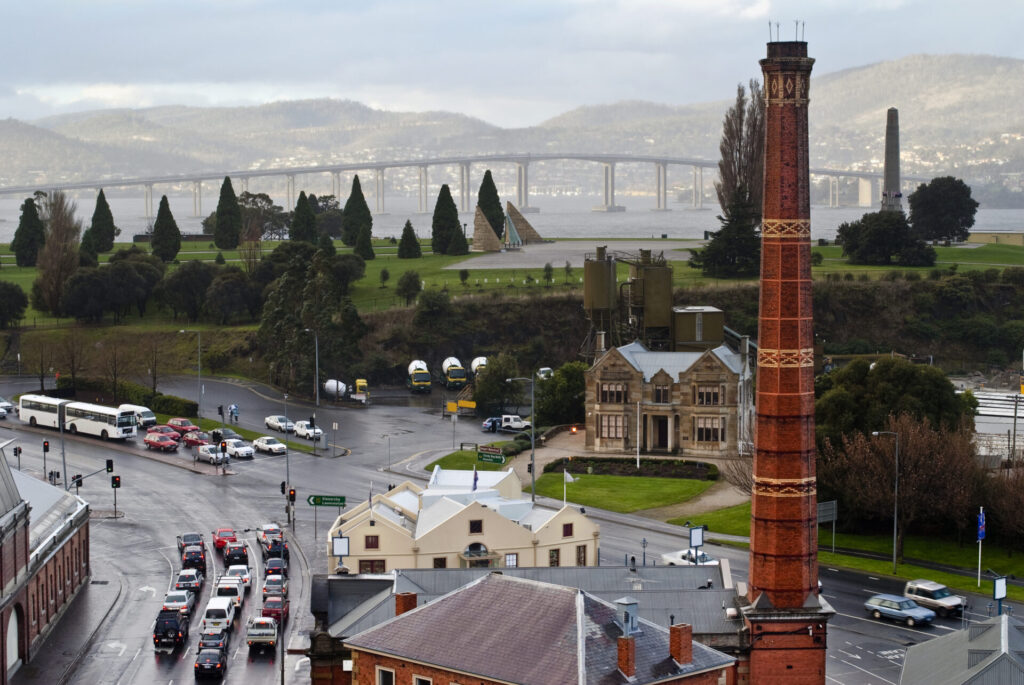
Recent reporting by the BBC [5] as well as further sources shows that several governments have begun incorporating public transport into their emergency strategies. Australia’s states of Tasmania and Victoria introduced free public transport to encourage a shift away from private cars.[6] Sri Lanka and Peru shortened school weeks to cut commuting fuel demand, while Indonesia and Myanmar mandated work‑from‑home days for public employees. These measures directly reduce oil consumption and promote sustainable mobility. Other countries are using the crisis to support electrification and alternative fuels. Cambodia introduced tax incentives for electric vehicles and renewable energy products, making them more accessible, alongside energy‑saving measures in government operations.[7] Argentina increased the bioethanol content in gasoline blends, reducing reliance on crude oil imports by leveraging domestic biofuel production.
Compensatory Approaches
A second group adopts compensatory approaches, balancing subsidies with modest reforms. The Philippines and Pakistan introduced four‑day work weeks for public officials while maintaining subsidies. These policies acknowledge the need for change but remain cautious, offering temporary relief while nudging systems toward gradual transition.
Keeping the status quo
Finally, some governments cling to the status quo. The United Kingdom faced political pressure to cancel fuel duty increases, while Germany temporarily reduced fuel prices for gasoline and diesel. Many import‑dependent nations continue to prioritise subsidies and price controls, reinforcing fossil fuel reliance and leaving economies vulnerable to future shocks.
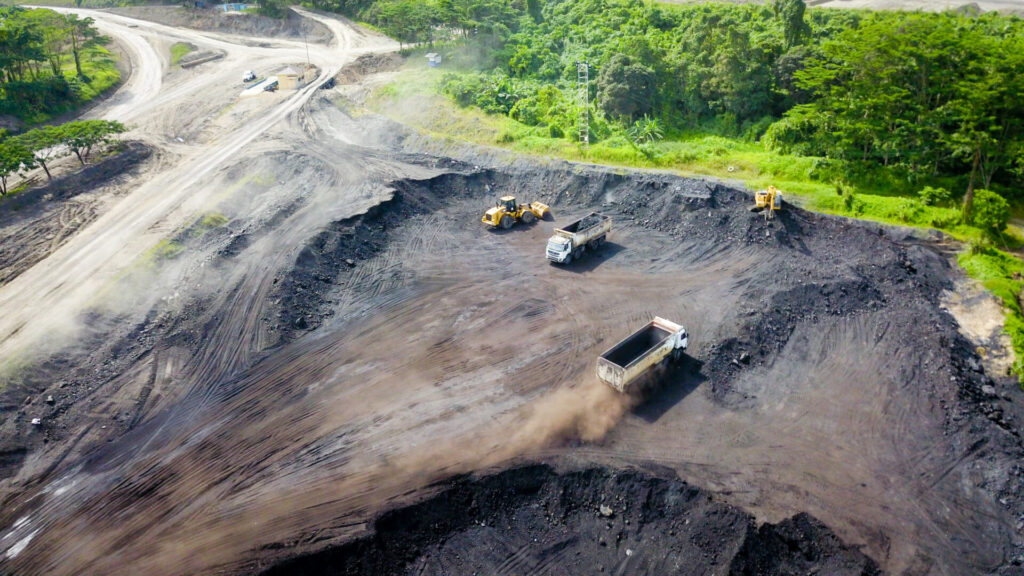
Higher oil prices have generated extraordinary revenues in some countries. Brazil, for example, is expected to gain 17 billion in additional tax income.[8] Yet rather than channeling these funds into structural investments, the government has planned to expand subsidies.
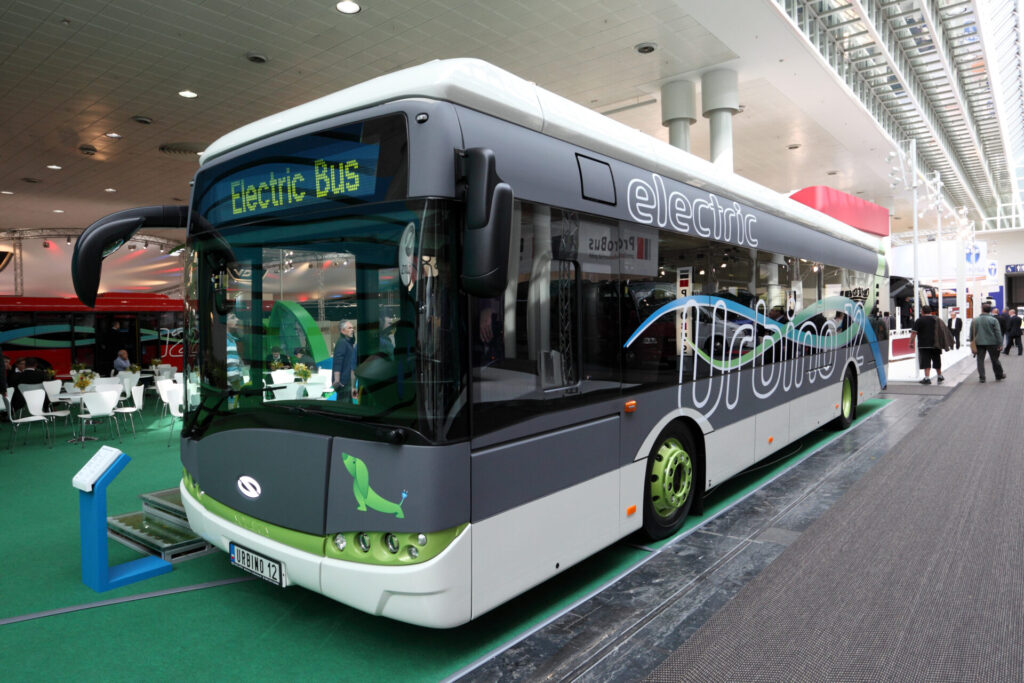
Making use of the energy crisis: Key elements for a transformational changeFuel subsidies may ease immediate pressures, but they reinforce an energy‑inefficient, inequitable, and fiscally unsustainable mobility model. They perpetuate congestion, urban space inequality, and dependence on volatile oil markets, leaving households more exposed to future shocks. In 2022, at the start of the Ukraine war, the International Energy Agency came up with a 10-step plan.[9] Energy crises should instead be leveraged to accelerate structural change. Investing in public transport – ensuring stable operational funding, expanding service provision, and electrifying fleets – reduces household mobility costs, increases efficiency, and provides equitable access to cities. Electrification must go beyond private cars, focusing particularly on motorcycles and buses in countries with lower car density, where these modes dominate everyday mobility. Crucially, electrification must be powered by renewable energy to avoid replacing oil dependence with fossil‑based electricity.
Redirecting extraordinary oil revenues or windfall profits from fossil fuel companies into sustainable mobility and clean energy investments ensures that public funds drive transformation rather than entrenching outdated models. At the same time, the fiscal space created by oil revenues could be used to strengthen public transport, expand capacity, improve service quality, and accelerate fleet electrification. This approach would not mean abandoning emergency measures but rather complementing them with medium- and long-term strategies capable of permanently reducing vulnerability to future energy crises.
Structured investment in sustainable transport and energy systems is simultaneously social, economic, and environmental policy. It lowers household costs, strengthens national energy security, and builds resilience against external shocks. Most importantly, it creates a credible roadmap for transitioning away from fossil fuels.
But governments do not act in isolation. Building on the growing movement toward fossil fuel phase‑out and the establishment of common global transport goals, they can accelerate the transition by shaping future electric vehicle markets, expanding shared demand and supply for renewable energy, and exchanging lessons on how to strengthen public transport systems. International forums such as the recent Santa Marta conference and the launch of the UN Decade of Sustainable Transport provide critical opportunities to align national strategies with global ambitions. COP31 in Turkey and COP32 in Ethiopia will be pivotal moments for the global community to consolidate commitments, set clearer pathways for electrification, and ensure that transport transformation is embedded within broader climate and energy agendas. By acting together, countries can move beyond fragmented responses and create a coordinated push toward cleaner, more resilient mobility worldwide.
To sum up: Energy crises are moments of decision: governments can either entrench outdated models or seize the opportunity to build systems that are fairer, cleaner, and more resilient. Making public transport and electrification the backbone of crisis response is not just a technical fix – it is a political choice about the kind of society we want to shape when the next inevitable shock arrives.
References
[1] SLOCAT Transport and Climate Change Global Status Report
[2] First Conference on the Transition Away from Fossil Fuels — Fossil Fuel Treaty
[3] Land transport on its way to decarbonisation? Observations from COP30 in Belém – Climate Compatible Growth
[4] Eleven Countries Champion New Low-Emission Transport Declaration at COP30 – Changing Transport
[5] Fuel rations and free buses: How countries have responded to rising oil prices – BBC News
[6] https://www.theguardian.com/australia-news/2026/mar/29/victoria-free-public-transport-april-petrol-prices?utm_source=copilot.com
[7] https://phnompenhpost.com/national/cambodia-eases-tariffs-on-green-energy-products-amid-oil-and-gas-crisis/?utm_source=copilot.com
[8] Brazil proposes using oil windfall to offset fuel tax cuts – Reuters