CCG and Imperial College London’s Prof Vivien Foster reflects on London Climate Action Week
London Climate Action Week (LCAW) has been growing in importance over the years, and the 2026 programme was more intense than ever (and not just because of the heat wave), bringing many of our national and international partners into the city.
It was good to start the week on Monday at the excellent Ayrton Forum where, collectively, we celebrated the successful completion of the first phase of this programme (of which CCG is a part) and scoped out the transition to the second phase.
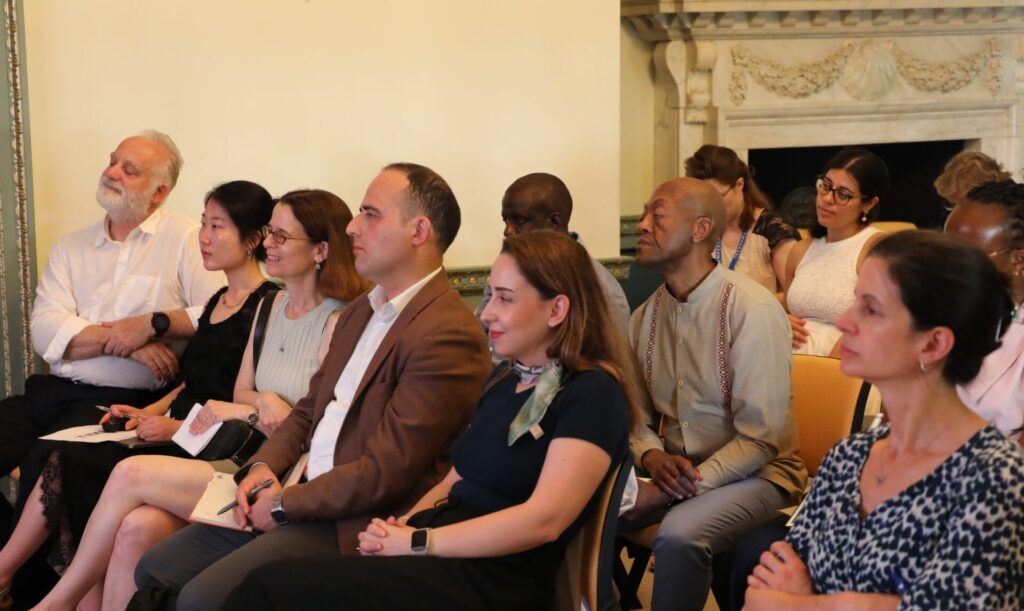
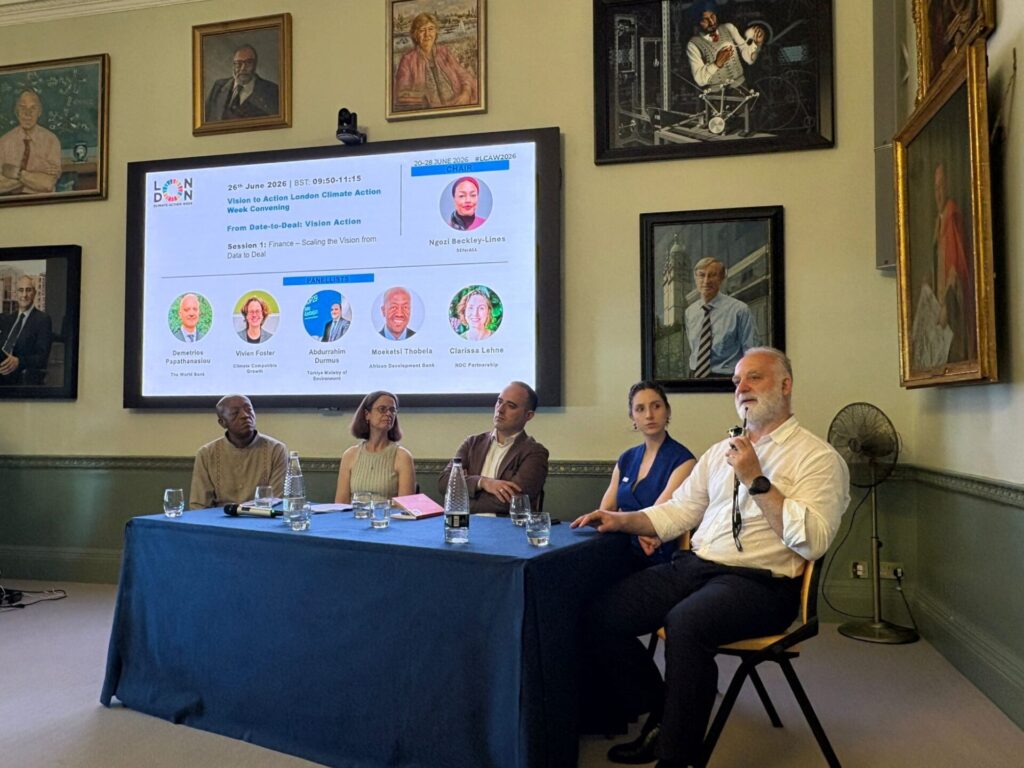
CCG’s Data-to-Deal event on Friday, in partnership with Imperial College and SEforALL, book-ended the week with an opportunity for more intimate discussions with many of our key partners. In between, we collectively participated in events organized by DESNZ, GCBC, SEforALL and WRI.
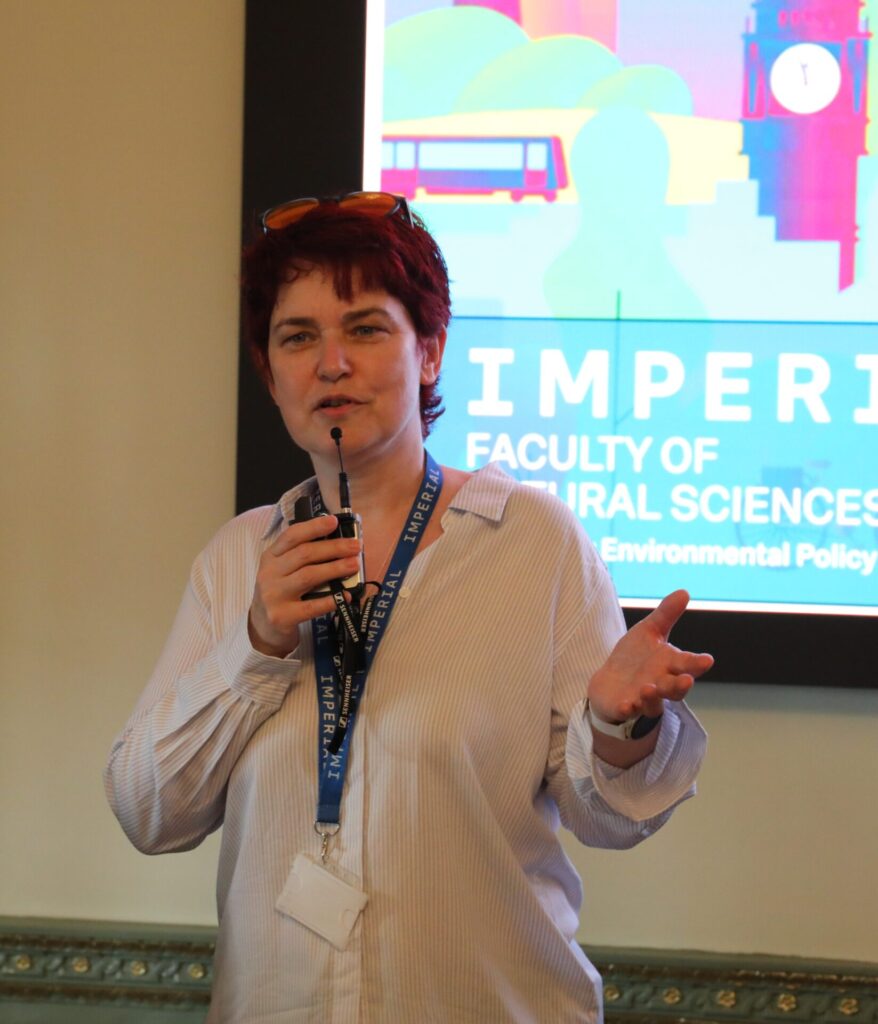
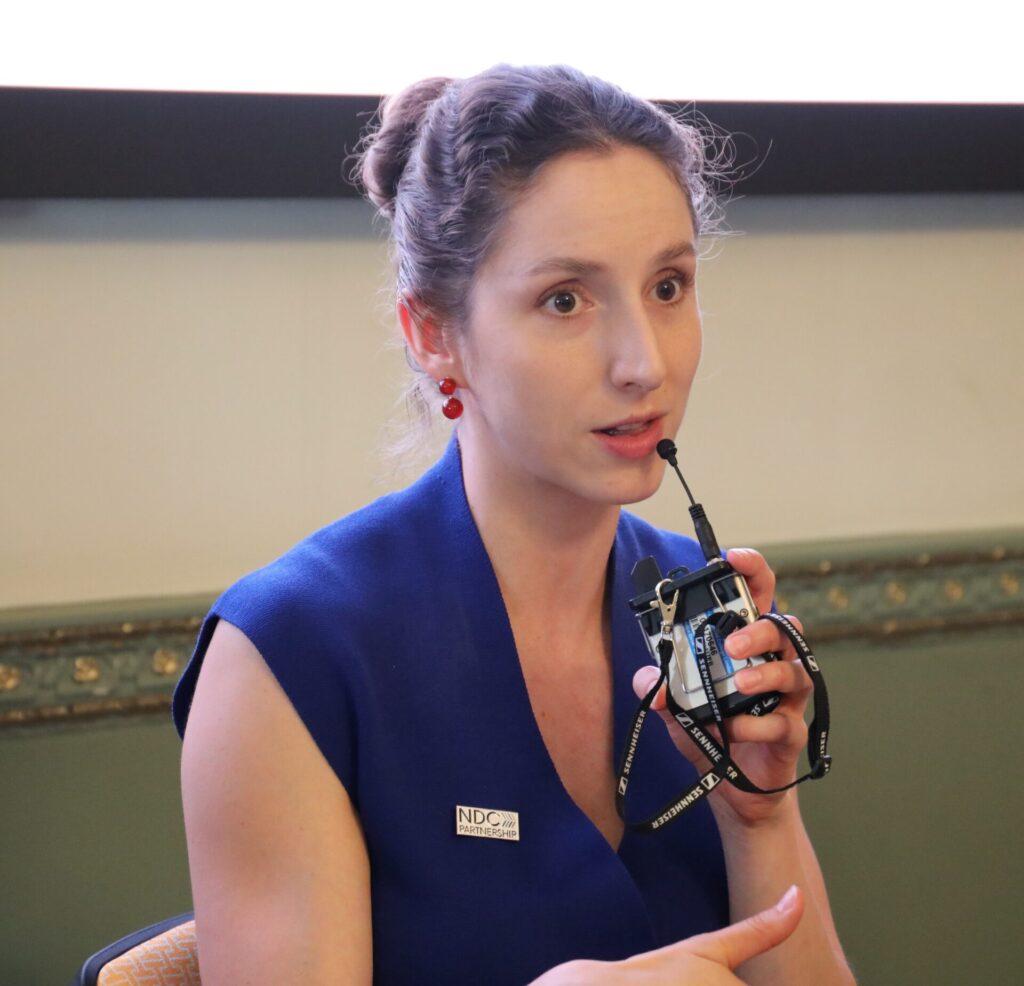
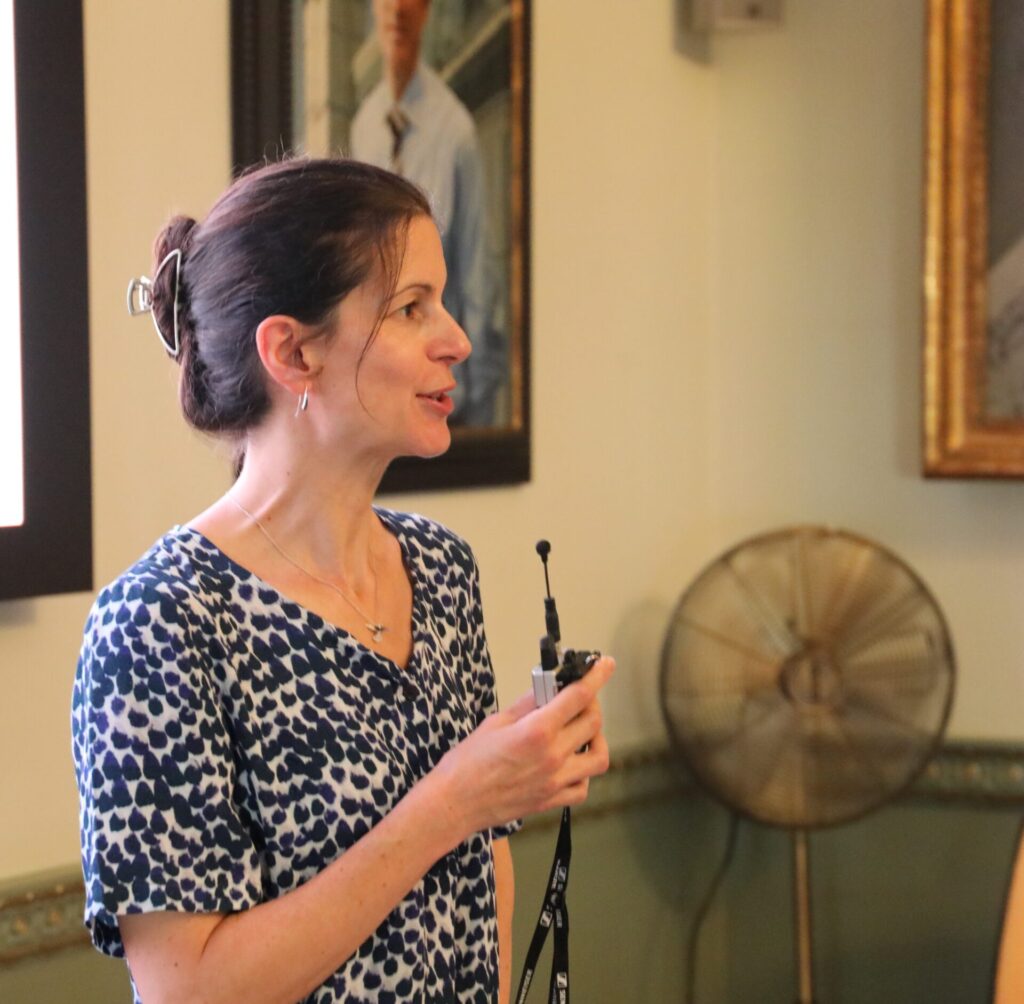
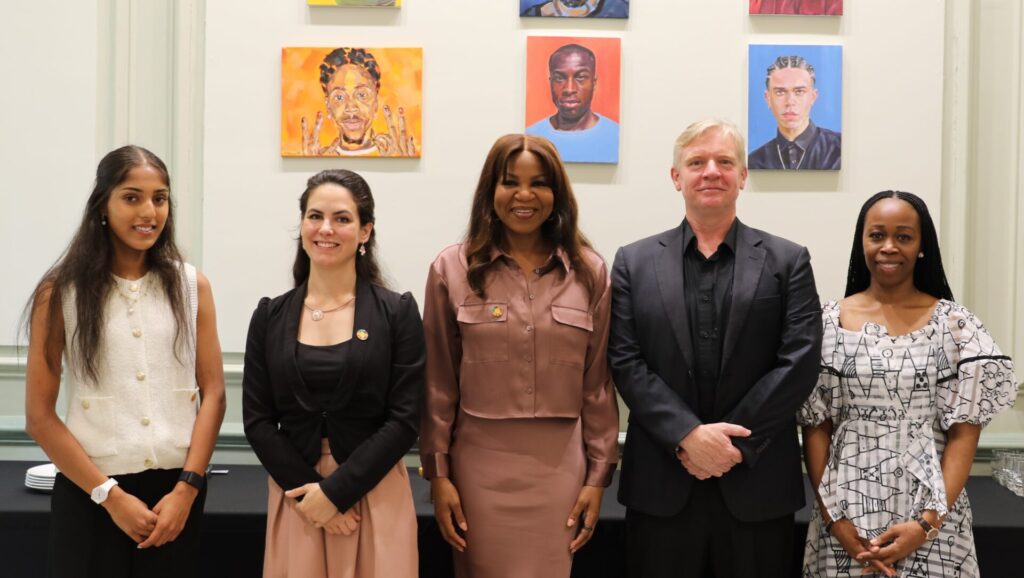
We were honoured to be joined by so many distinguished guests as speakers and contributors to the event. These included: Damilola Ogunbiyi, CEO of SEforALL; Clarissa Lehne, NDC Partnership; Joseph Mutale: CIGZambia, Benard Ouma: Taita Taveta University, Steve Nicholls: African Energy Futures, Demetrios Papathanasiou: The World Bank, Abdurrahim Durmuş: Türkiye Ministry of Environment, Nataliya Tkachenko: Lloyds Bank, Moeketsi Thobela, African Development Bank, Lily Ryan Collins: FCDO, Ngozi Beckley-Lines: SEforALL, Mary Ryan: Imperial College London, Brian Dean: SEforALL, Anke Schoenlau: IRENA, Thomas Ageebee: Energy Commission of Nigeria, Stefan Raubenheimer: Country Platforms Hub, Jeremy Woods: Imperial College, Felipe Ramirez Buitrago: RIDE Programme, Luis Cortez: UNICAMP.
An audience poll at the Ayrton Forum revealed that a large majority of participants thought that technological innovation had been the greatest success story of the last five years, while finance remained the most pressing challenge of the next five.
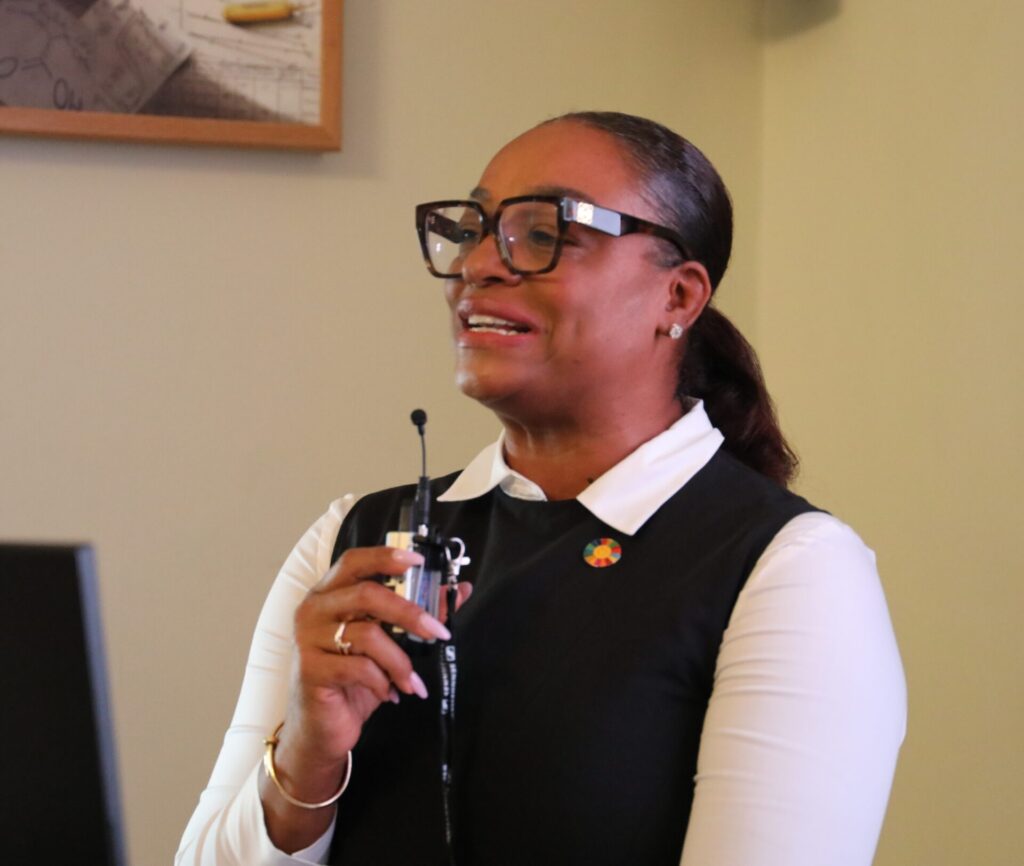
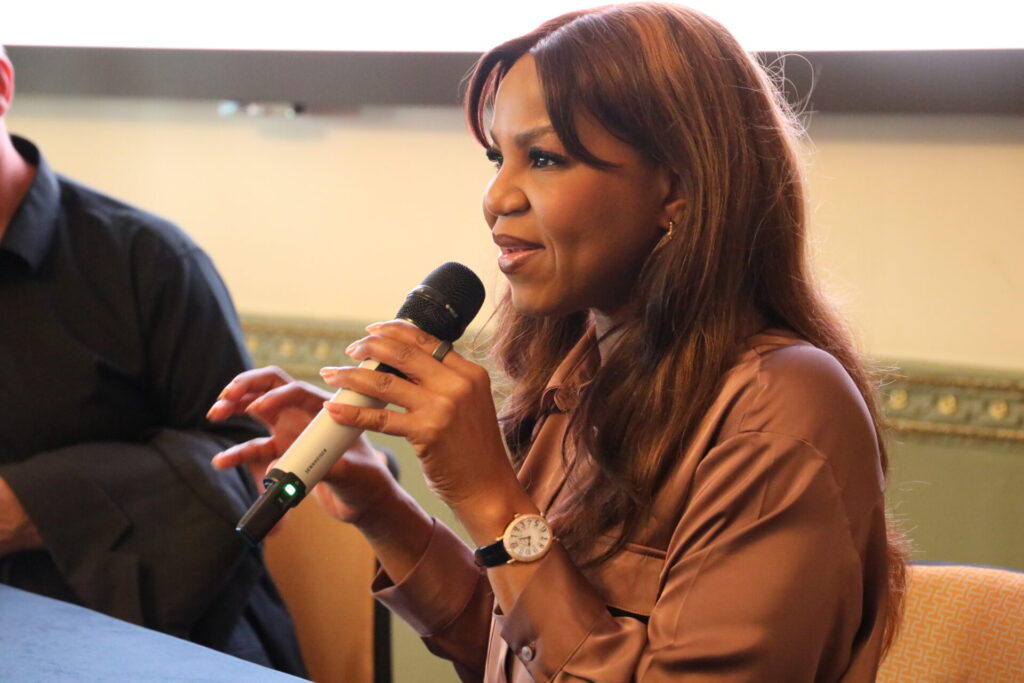
Damilola Ogunbiyi, CEO of SEforALL and Special Representative of the UN Secretary General, brought those two themes together by stressing that innovation is particularly needed in the realm of finance: “We keep saying we have innovation in technology, but we also need innovation in financing. The hope is that, in five years’ time, we will see more types of financial mechanisms emerging from collaboration across different actors.”
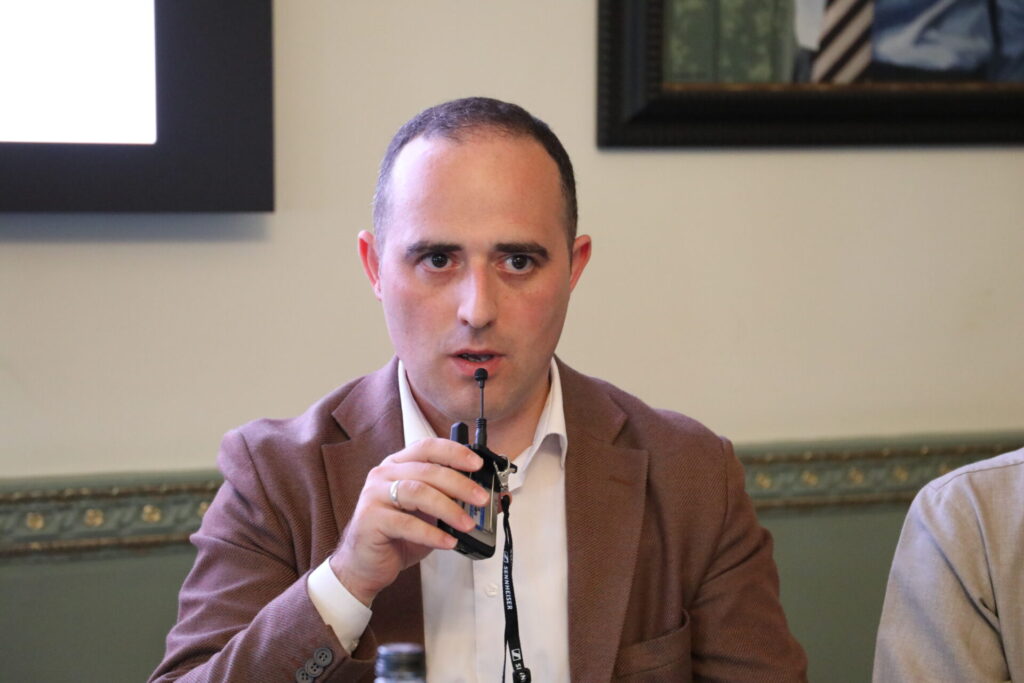
From Planning to Finance
Progress on the finance agenda will necessitate efforts to bring it much closer to planning. Many countries are producing plans, which while technically sound, are not financially realistic. Bridging the gap from planning to finance will involve closer dialogue between energy and finance interests, both within government and beyond. Financial modelling tools along the lines of those being developed by CCG can also be very helpful in assessing the financial realism of energy plans. (You can find several here and here)
Another recurring theme was the importance of data in providing the foundational investment case for projects as well as monitoring delivery of carbon goals. Some countries, such as Zambia, are actively working towards establishing their own data repositories.
Finance Builds on Capacity
That is all very well, but one of the key reasons that finance is not flowing is a lack of capacity in country; that’s not only capacity for upstream planning, but capacity for the painstaking work of converting plans into deals through financial strategies, pipeline development, project preparation and financial structuring. It was stressed that capacity building efforts should be directed at entire institutional ecosystems not simply individuals.
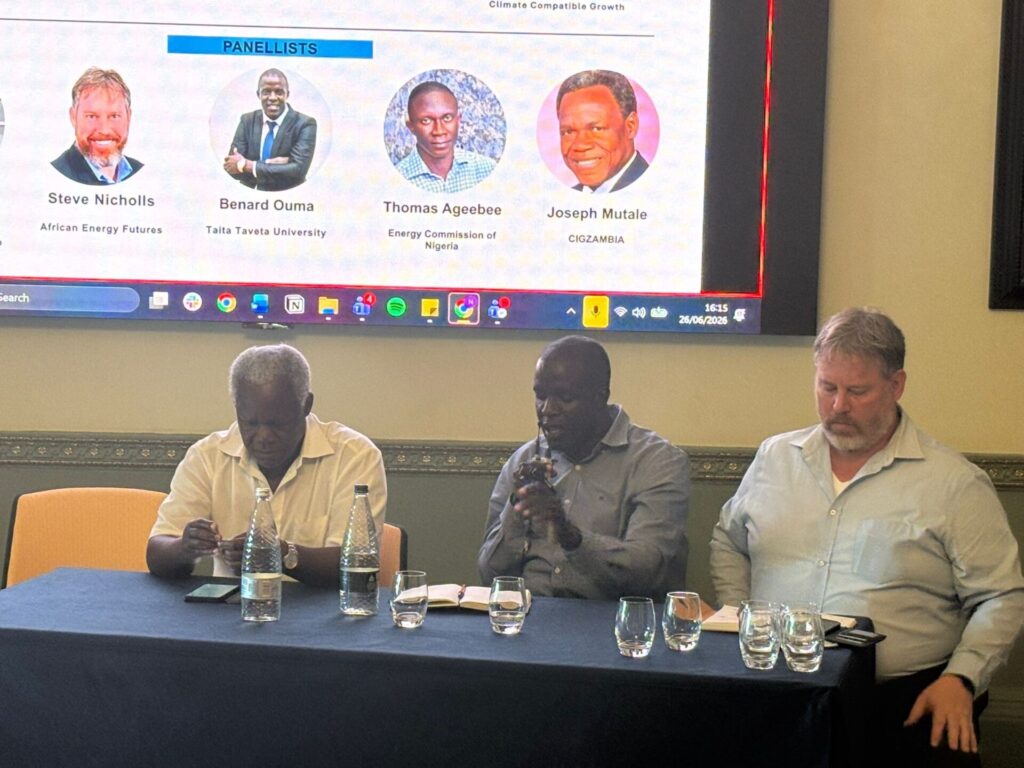
Steve Nicholls of Africa Energy Futures provided a pithy definition of capacity when he said that it was “the ability of a country to design and deliver its own future”.
Discussions stressed that capacity building was in many ways the Cinderella of the climate action agenda: universally recognized but relatively under-supported. Furthermore, despite the availability of technical assistance resources to support project preparation, the fragmentation and complexity of the climate finance landscape, makes it challenging for countries to secure these funds.
Countries Lead the Way
Nevertheless, country representatives shared inspiring examples. In Kenya, intensive capacity building efforts have empowered local academics to make substantive technical contributions to a plethora of national plans, policies and strategies and to ensure that parliamentary research services are equipped with the technical resources to provide solid evidence to legislators. Meanwhile, Nigeria is replicating regional capacity building programmes at the national scale to scale-up skills more
“It is exciting to see how capacity building efforts are empowering countries to take leadership on planning and financing their own energy transitions. CCG stands ready to support this process”, said Professor Mark Howells, Director of Climate Compatible Growth.