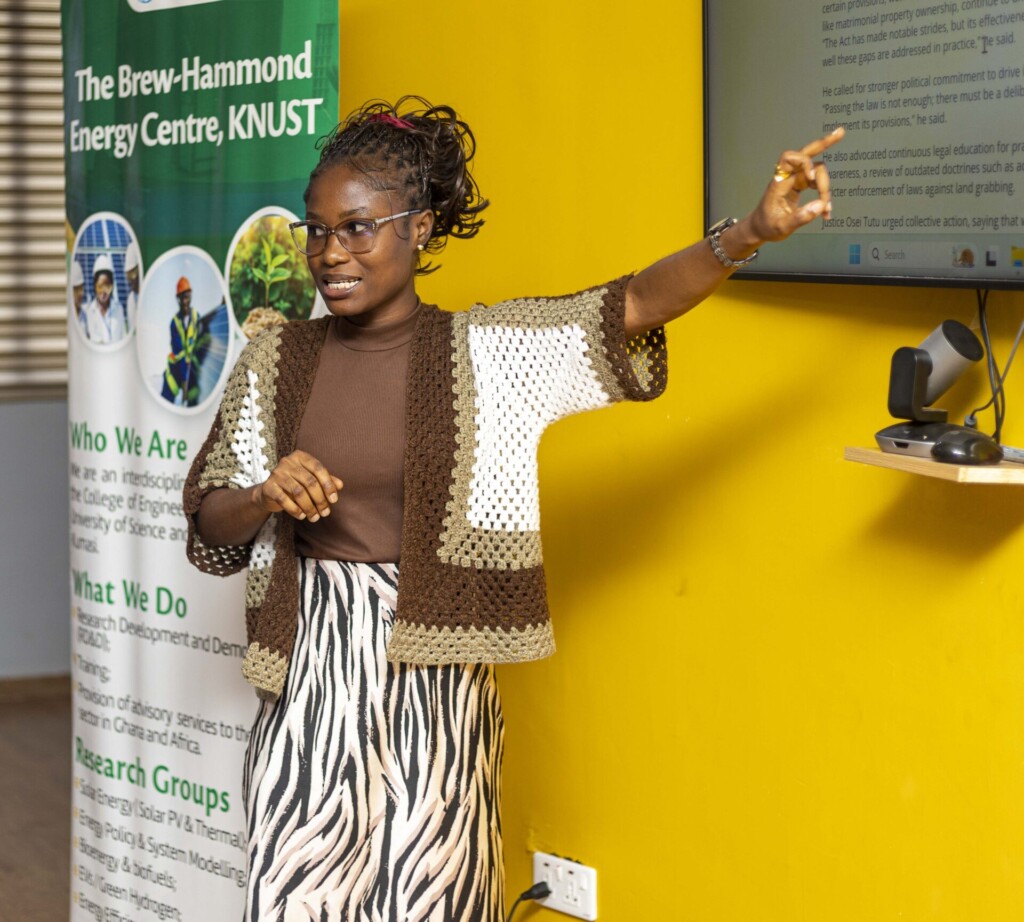
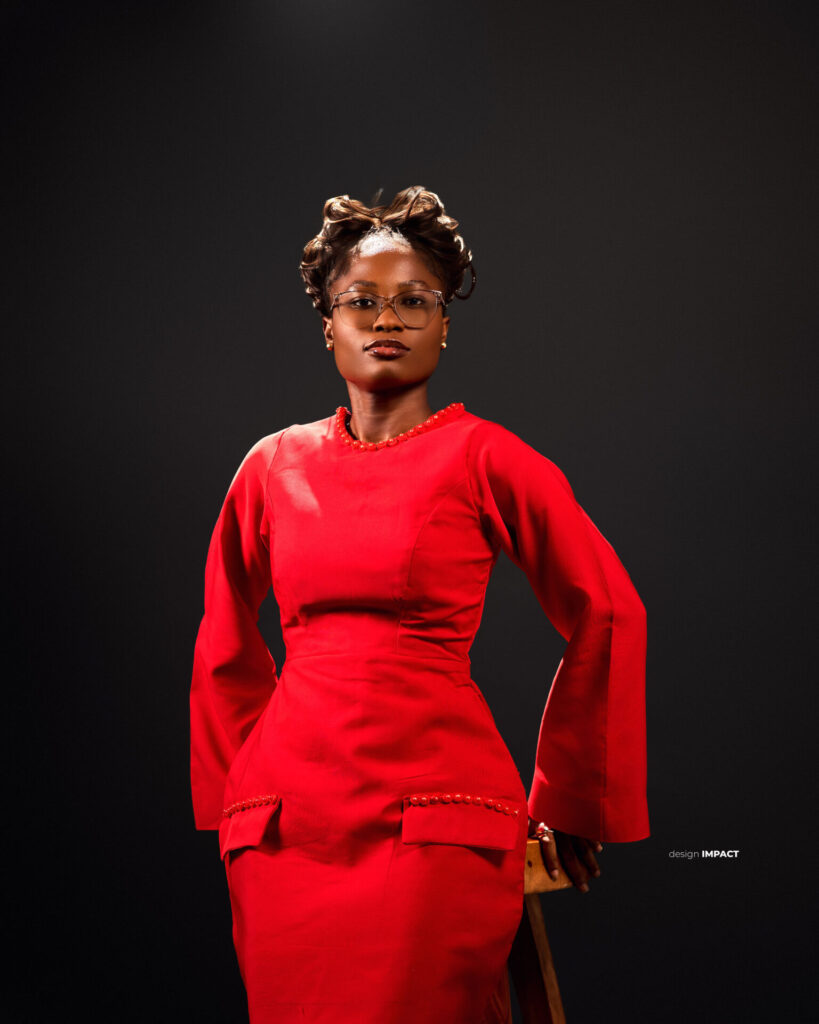
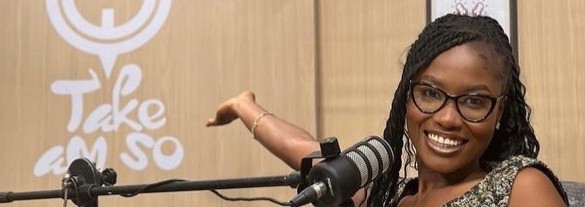
Abena Serwaa Gyamfi is a Ghanaian communications professional, podcast host, and media practitioner with a growing focus on public relations and strategic storytelling. She currently serves as an Administrative Assistant at Kwame Nkrumah University of Science and Technology (KNUST), where she contributes to institutional communication. Beyond her corporate role, Abena is the host of Take Um So, a podcast dedicated to honest conversations around mental health, personal growth, and the realities of young adulthood. Through her work in radio, podcasting, and voice-over, she uses storytelling as a tool to inform, engage, and inspire. Her interests span communication strategy, development communication, and media practice, with a long-term goal of shaping the next generation of communicators. Here she shares her thoughts with CCG’s Peter Allen
Tell me about your early life and what led you to where you are now?
My interest in communication started at a very young age because I always found myself in the midst of my friends being the leader if we were doing a drama or playing, I was always the one moderating, so I realised I had a very early interest in communicating and trying to direct things.
I also used to watch a lot of TV, and I loved how the presenters did their job. So, fast forward to university, I read English and during that time, I interned at Focus FM, KNUST campus radio station. I also read the news and joined a show called the Teknocrat Show, where they held discussions with alumni. After a while, I started hosting the show when the main host wasn’t there.
After my degree, I joined the University Relations office at the Kwame Nkrumah University of Science and Technology, and I’ve been there for four years now. Most recently I was assigned to the Brew Hammond Energy Centre to support them with their communications.
What do you do there?
I started working on some of the research by fellows, trying to translate their complex research into simple articles that people can consume. I realized that there’s a lot of work that has been done in relation to energy, but we don’t see it within the mainstream media because it’s written in academic and technical terms. So, I started having interviews with them and I asked: ‘how does your research impact people?’, ‘what was the result you found?’ I tried to humanize the story so when people read it, they will understand the impact of the research.
Last year I did my master’s as well, and my research was on energy communication among female undergraduate students; I was looking at the opportunities and the challenges within the mainstream media. and I sampled 365 female students. I found that technical language was preventing people from understanding what is being done in the energy and climate field. That gave me the strength to keep on doing what I’m doing.
Looking at this period in your career, what are the positive or negative experiences you’ve had because of your gender?
There have been several experiences but one stands out from when I transitioned to working at the energy centre. As a young woman in a highly academic and technical environment, working with senior academics and experts meant I often had to prove my capabilities more than others, to be taken seriously. Over time, through demonstrating the quality and depth of my work, there was a shift in perception. My contributions began to be recognised, and I started being invited to engage more directly with experts, and support them in communicating their work.
I found the same thing when I worked in universities; some of the academic community didn’t value communications as a ‘proper job’.
True. Very true.
What would you say to people who have that view, why should it matter to them?
I believe communication is very important because, if you are a researcher, your main purpose is to undertake the research for people to consume and learn from. So, you need to communicate with purpose. If you do the research and it sits in your office, then the impact is zero. It needs to get to the people that you want to influence.
I saw that you covered a CCG Ghana workshop in September. What was that like?
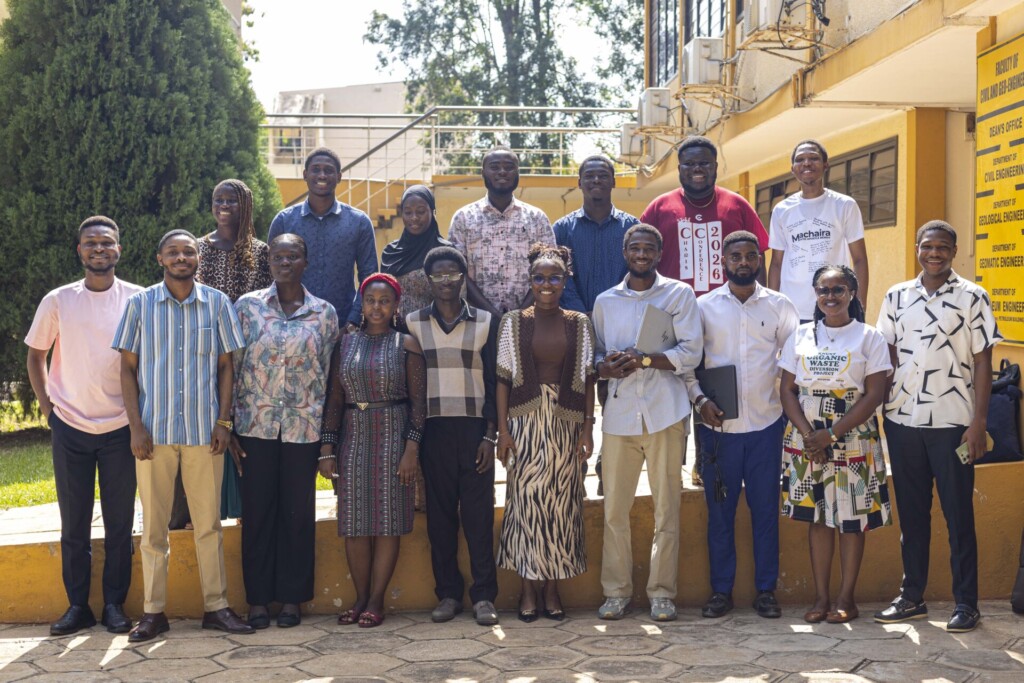
I’ve gained a lot of experience in a short time, so I used the agenda to create a plan and build a structure for how I want the story to go. When the speakers were talking, I picked the main points out of what they said, to maximise interest. Then, if I didn’t get what I really needed for my audience, I had conversations with them. So I spoke to Professor Kemausuor (CCG Ghana) and Dr Lara Allen (CCG Country Partnerships Lead) to capture the purpose of the conference for a short video. I was really excited to meet a lot of people within the energy sector.
That’s good to know. What would you say to people who were not used to working with communications about the benefits of integrating your professionalism with their organisational goals?
What I would say is I think we need to emphasise communicating with purpose, try to get people to understand what strategic communication means, and if you communicate well, the results and the benefits you’re going to get.
What do you think are the biggest mistakes that sometimes people make about communication?
One of the biggest mistakes is only engaging with academic work on a surface level, instead of taking time to understand it deeply. If researchers spent a little more time collaborating with communicators, we could create a much greater impact in how their work is communicated and covered.
Another mistake is involving communications teams too late in the event planning process. Communication professionals should be part of discussion from the very beginning, not just brought in at the end, after all the decisions have already been made.
I wanted to talk about the bigger picture with climate communication. How do you feel about the overall narrative around climate change?
I will limit it to where I find myself. I think efforts are being made, but that they are not enough. The ordinary Ghanaian now understands the need to cover his or her nose when there’s a car going by with fumes from the exhaust. In Ghana we have the rainy season and the dry season, but this is now changing. People are starting to understand the changes happening and I believe if we put in more effort to communicate the impact of these change, every one will act better.
Do you think that Ghanaians accept that there’s something they can individually do about it, or do they feel it should be the government doing it all?
I think people are taking more personal initiatives. I know of companies that have started segregating their waste, and recyclable materials, so it’s a culture that is growing. I feel now the Ghanaian people know they have a part to play, same as the government.
I also want to ask about your podcast Take Um So.
It means ‘take it as it is’ – it’s pidgin English. It’s a podcast I started with my course mate, Christopher, when we finished school and were doing our national service on campus. We realized that we were having a lot of conversations on how we were navigating adulthood and how it’s been a bit hard because there’s that transition from depending on your parents to being on your own and needing to figure life out. I suggested we start to put this in a podcast; let young adults come and share their jourey so far.
I got a team that did production for us and started having young adults who have started things for themselves including Mathias Yabe, who is a social entrepreneur for his company Akofresh, who came up with a cold storage business to keep tomatoes fresh for longer. He came to share how he started the journey and how he got funding. It’s a big business he’s running now.
So he’s a climate entrepreneur.
Exactly. And we had a young lady – Bridget Kudoagbo – founder of Mush Foods, who is using mushrooms for breakfast foods for babies.
It’s so wonderful to see young people doing these things, having these startups, conceiving these ideas.
The podcast is on a break now, but we’ll be back. You can listen to it here
I look forward to listening to it. Is there anything else you’re doing in your busy life?
I want to mention that I will be continuing my studies with a PhD in development communication because I believe you can communicate with purpose and what you communicate can actually affect the lives of people in the way you intended, if you get it right.
We’ve recently seen what happens if you get it wrong. There was a documentary on TV3, a Ghanaian station, on the government building a wharf apparently to help fishermen at Teshie. But they didn’t actively involve the fishermen and built it in the wrong place so now when they are returning from the sea, it pushes them far from the shore and there have been some fatalities because of this. This kind of example makes me think about the need for more participatory communication and development communication. I want to delve deeper into this subject and, maybe at the end of my four-year journey, come up with something that would be more impactful.
I am sure you will have great success. Thanks for sharing your experiences with us.