Dr Sandile Mtetwa-Omuthe is a Cambridge-trained chemist and Gates Cambridge Scholar with research experience in clean and sustainable energy systems. Sandile also has entrepreneurial experience, having co-directed a small-scale, low-cost manufacturing business focused on innovation. She has worked in consultancy and international development, with a focus on supporting organizations to translate research into evidence-based policy and measurable impact. Sandile has spent nearly a decade active in outreach and mentoring and has so far mentored over 100 scholars across Africa, Asia, Europe, and North America. She has also served as Chair of Africans in STEM, contributing to research visibility, career advice and network-building efforts. At Rondil Scholars, Sandile is the Co-Founder and Head of Innovation and Applied Research. She was recently recognized among Cartier’s 2025 14 Remarkable Changemakers Creating Ripples of Positive Change.
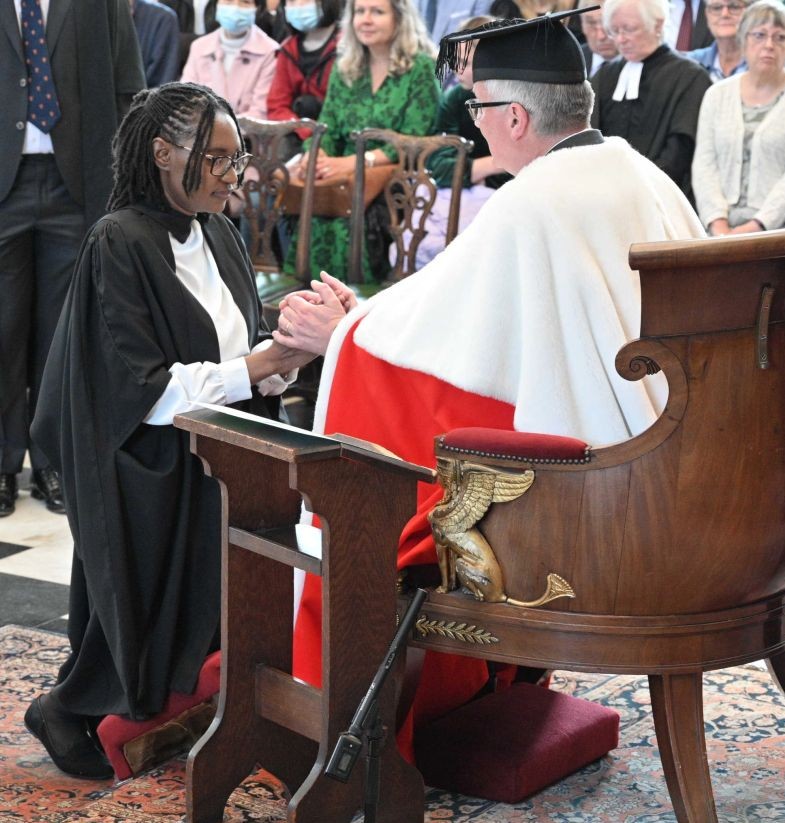
Recently you were reflecting on your professional growth since finishing your PhD and the things you had to unlearn and relearn. Can you tell us a little more about that?
The learning has been the shift from being a scientist or chemist to understanding the world more holistically. I am starting to see things not only from a technical or chemistry perspective, but also through finance, policy and everything else that influences people’s behaviour, especially around climate and energy. The greatest lesson has been appreciating that interconnectedness – not trying to become an expert in every discipline but being willing to show up in spaces where I may not feel comfortable. The unlearning has been about coming out of the Cambridge and chemistry bubble, meeting more diverse people and seeing how differently they interact with the world.
A PhD is necessarily very focused, and for me that meant some interests outside science naturally took a back seat for a while. Since finishing three years ago, I have been rediscovering those parts of myself and reconnecting with interests beyond science and energy. I now feel that I am bringing those different sides of myself back together, rather than seeing them as separate.
What were the things you put to one side that you’re getting back into now?
Before Cambridge, I led a trust in Zimbabwe called Simuka-Arise, focused on empowering women and girls in their academic, economic and social lives. I started it as an undergraduate. I was active in fundraising to support young single mothers, leading life-skills and leadership sessions for women aged 18 to 30 and providing gender-based violence awareness and training for advocates.
I think women often lead with empathy and a strong sense of service to others and their communities. When you empower one woman, she is already thinking about the other people she can empower, so it becomes a domino effect.
Tell us more about the Rondil Scholars Hub
I am a founding member of Rondil Scholars Hub, an interdisciplinary research and career-readiness programme for pre-university, undergraduate and postgraduate students. We advise scholars on the foundations and impact of research, moving beyond siloed subjects to show the interconnectedness of global problems. The programme brings in entrepreneurial, futures and systems thinking. It is for people who want to step beyond traditional educational boundaries, expand their interests and invest in their passions.
Advising and mentoring students is my passion, especially in research and interdisciplinary education. Some universities are introducing broader curricula, but this is still very new and rarely available to pre-university scholars. That is the main idea behind Rondil Scholars.
One example is a partner programme I led with the Royal Society of Chemistry, Leadership in Chemistry through Innovation and Entrepreneurship. We worked with 20 scientists of African descent, based in Africa and elsewhere, who had ideas to benefit their communities. They developed foundational skills in starting and running a venture, innovation and commercialisation, patents, business strategy, science policy and advocacy. The programme was successful, and a few of the fellows are receiving further mentoring and support.
We have also developed a four-phase research and career-support programme for pre-university scholars, based on interdisciplinary, systems and futures thinking. It covers research fundamentals, entrepreneurial and critical thinking in the age of AI, developing solutions to global problems, producing a tangible output and career strategy.
Our four-person team includes Dr Beth Tennyson (former CCG Country Partnerships Program Manager) and Cambridge academics with experience developing educational programmes, frameworks and digital tools. We want students to understand not only how to produce research, but why they are doing it and what it contributes to the community. They can communicate their work in the form that suits them – videos, podcasts, explainers or concept notes – while maintaining their agency as thinkers. Career support across university, industry etc is the final phase.
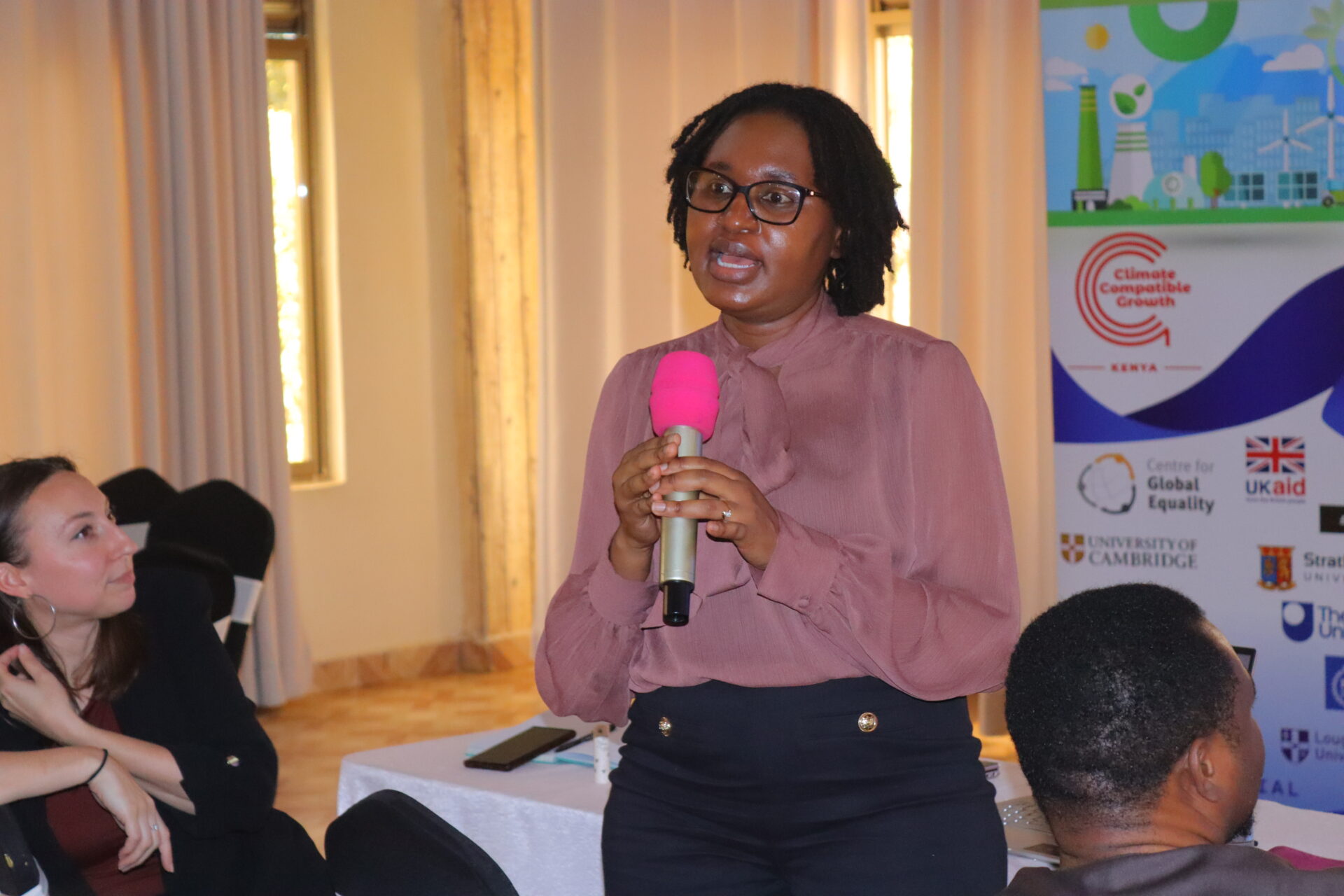
That’s very exciting; it’s important that research produces tangible results that benefit people. If you were talking to somebody who’s around 16 and about to start their next qualifications, what advice would give them about becoming a more multifaceted person?
The motivation has to come from within. Seek out information and look for interdisciplinary education or free courses, because this is unlikely to be part of the curriculum soon. There are programmes such as Rondil Scholars – some paid and some free – but wanting to do something is different from actively engaging with it. Seek mentorship too. You can reach out to potential mentors on LinkedIn, for example.
You worked with CCG; what were the learning points that you took away from that?
The first lesson was the interdisciplinary nature of the research and the intentional effort to bring different areas together to tackle the same problem. It may never be perfect, but it works well. I also saw CCG’s tangible impact. During my time working in Kenya, some of our academic research influenced policy documents. Seeing that happen in practice was very satisfying, and I would not have experienced it without CCG.
How do you feel about the way that the population of the world is responding to climate change, the policy makers and ordinary people?
I conducted independent research in marginalised communities in Zimbabwe, where I am from, as a fellow of the Next Generation Foresight Practitioners. You might assume that people there have more pressing things to think about, but I found the opposite. The issue is often how climate change is communicated. Climate change shows up in different ways. People care about food and agriculture but may be less interested when these issues are framed in climate jargon. Researchers and academics need to communicate better and show how people’s everyday concerns connect to climate change.
Development agencies face a similar challenge: helping ordinary people understand the connection between everyday practices, such as cutting trees for firewood, and their wider impacts on deforestation, land degradation, and agricultural productivity. Equally important is making clear the closer relationship between climate and energy systems, and how decisions in one area can have significant consequences for another.
And what about the response at the government level?
Some governments need to honour their climate pledges to the Global South. Many pledges are made each year at COP, but we do not see enough of that money reaching the places where it is needed.
On another angle, we still see projects being implemented in communities without meaningful consultation, which can ultimately undermine their success – something I observed in my research in Zimbabwe. Agencies therefore need to think carefully not only about how programmes are designed, but also about how they are introduced and implemented. Technologies such as biodigesters, for example, are too often treated as low-cost solutions for poorer communities, with insufficient attention given to training local people to operate, maintain and repair them. Yet biodigesters have the potential to deliver far greater benefits when they are implemented in a scientifically sound way, with appropriate training, local engagement and long-term support built into delivery. There is not enough research into whether communities want a solution or whether it fits their way of life. When it fails, the agency later asks for more money to try something else. The sector needs to do better.
Share with us some of the experiences you’ve had because you’re a woman.
In Zimbabwe, I started a small-scale, low-cost manufacturing company that made construction materials. I was about to begin my PhD and had two male business partners. When we looked for project funding, people immediately assumed I was the organisation’s secretary. They did not see me as the scientist or technical person. Even when I presented an idea, they did not connect it with me as the technical person among two men. It is often said that women have to work harder to reach the same level as an average man, and that is true. The bias remains, especially in some countries in the Global South, and it is unfortunate.
When you were viewed as the secretary, how did you address that?
At one point, I simply said, “I am not a secretary. I am one of the co-founders of this company.” That was that. They backed away and apologised.
How important is it to have more women working on the whole issue of sustainable growth and climate change? What do women bring to the resolution of this issue?
I think women often lead with empathy and a strong sense of service to others and their communities. When you empower one woman, she is already thinking about the other people she can empower, so it becomes a domino effect.
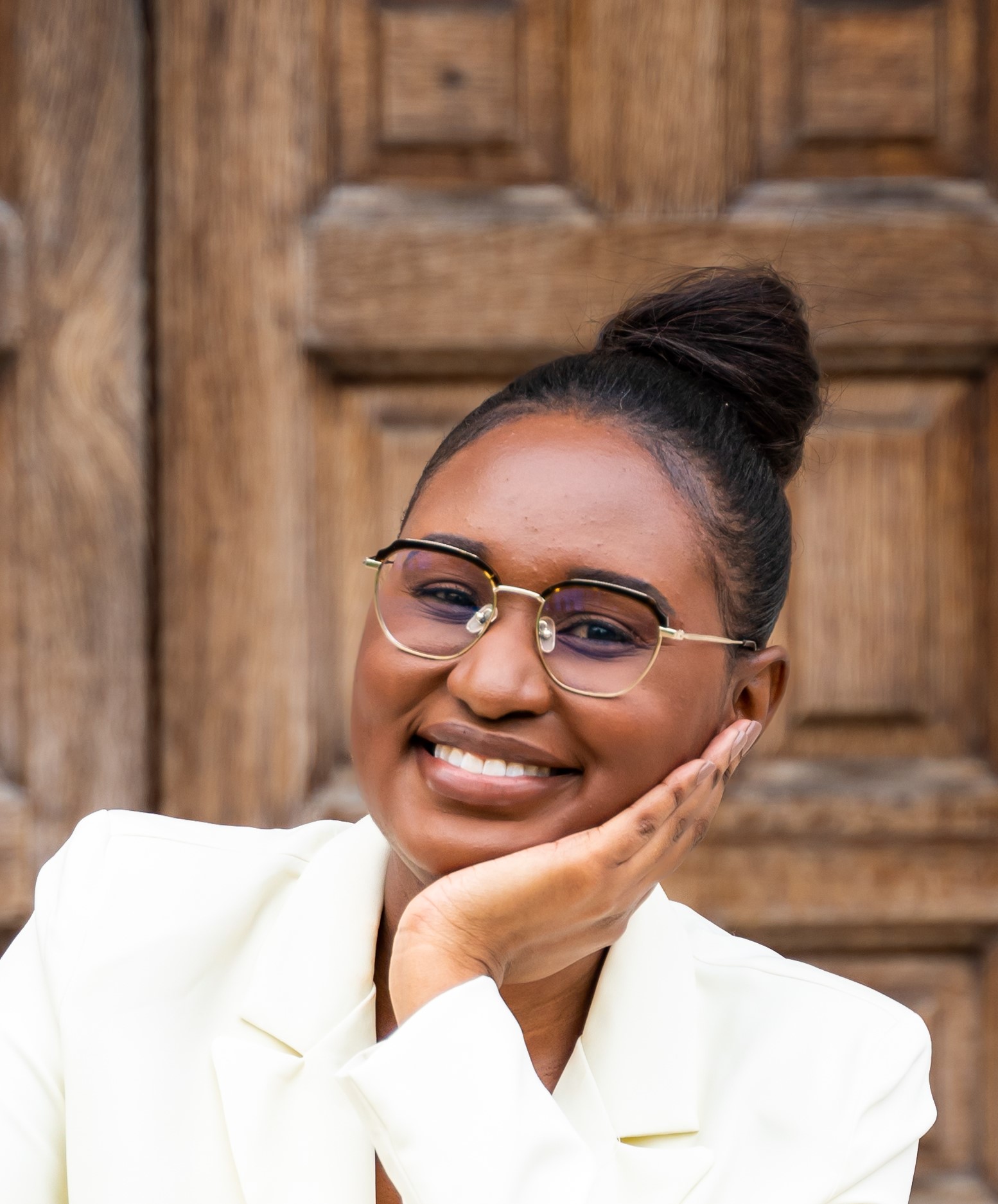
Final question: you’re a very accomplished person, very educated and confident. Where did that come from in your earlier life?
At every stage of my life, different women in different spaces have inspired me. I could name so many, but I don’t want to risk leaving someone out. The most consistent person has been my mother; she produced results in everything she did. She was a teacher – now retired – and everyone loved her and said she was the best teacher. She cared deeply for her students. At home, she was organised and structured, with timetables ready for everything. She never told me what to do, but I saw how she lived, and that was enough.
Find the Rondil Scholars Hub website here.