
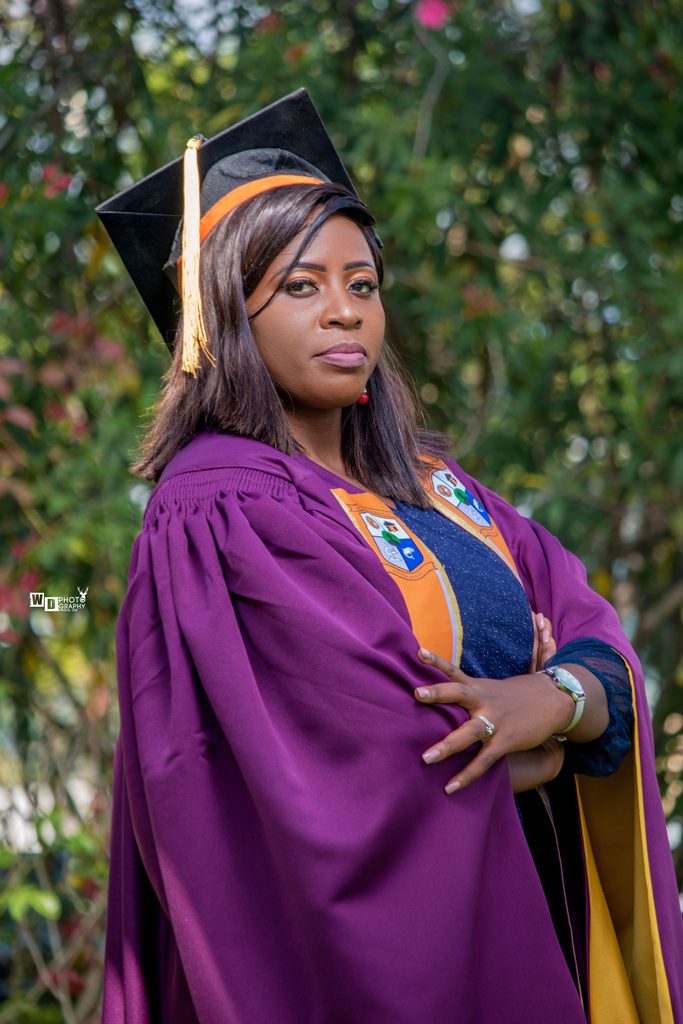
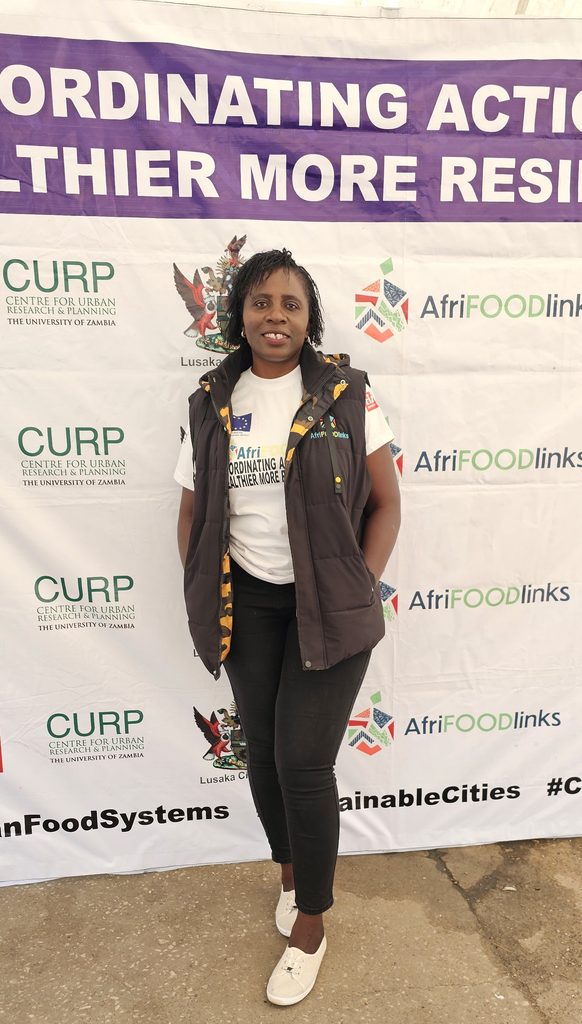
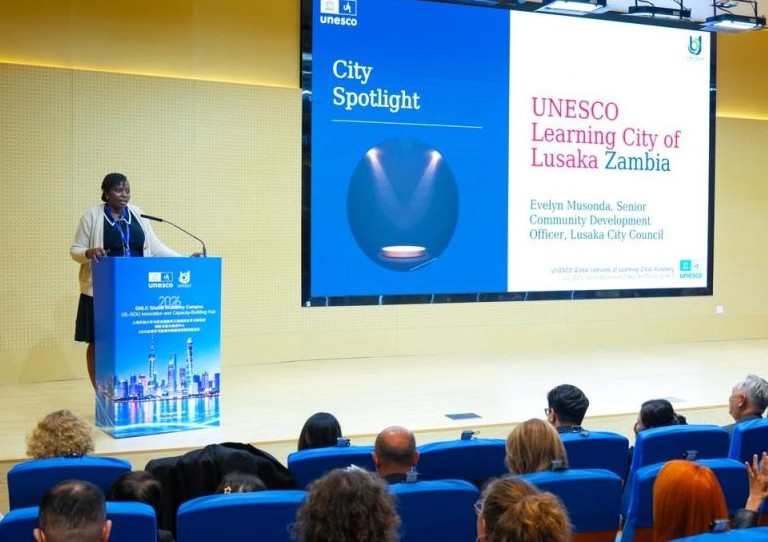
Evelyn is a Senior Community Development Officer at Lusaka City Council where she has worked since 2019. In a broad remit, Evelyn has supported groups for women and girls, education, climate entrepreneurship, gender mainstreaming, and many other areas. We asked her to share her experience with us, and some of the observations she has made during her career. She talked to Peter Allen from CCG.
I am part of the technical team responsible for supporting projects and programmes that promote the empowerment and development of girls and women. My work covers a range of interventions, including skills development and vocational training for both men and women, with deliberate efforts to encourage more women and girls to participate in fields where they are traditionally underrepresented.
For instance, through the Ministry of Education’s TEVET Fund, institutions can access funding to provide practical skills training targeting out-of-school youths and individuals seeking to enhance their skills. The training covers areas such as Food production, Carpentry and Joinery and Fashion Design and Textile Technology. Importantly, these opportunities are also accessible to girls and women who may have had limited or no formal education, giving them an opportunity to acquire practical skills that can improve their livelihoods and economic independence.
Recently, we partnered with an organisation called Build It International, where we were encouraging women and girls to take up skills in construction where typically we may have only two women out of 20 students.
You have given 20 women’s groups access to the Constituency Development Fund; tell me more about that please.
I am also part of the technical team that supports youth and women’s groups to access opportunities under the Constituency Development Fund (CDF). Through this programme, many registered youth and women’s groups can receive support for their income-generating projects. Our role includes assisting groups with the registration process, which involves formalizing their clubs, opening bank accounts, meeting tax requirements and fulfilling other administrative obligations. This enables them to access CDF support as well as opportunities from other microfinance institutions. Most of the projects supported by these groups tend to focus on conventional income-generating activities, such as poultry farming and block making, with relatively fewer initiatives directly linked to climate action or environmental sustainability.
But we do have a woman that we are working with and supporting under the ICLEI Africa Strengthening Fresh Food Markets project. She is recycling boxes that are generated from the market to earn an income through the Circular Economy. Through the Youth Climate Action Fund that we previously got from Bloomberg, we supported around 43 youth groups and there was one organisation that was woman-led- Greenbelt Energy – that looked at the generating energy and making fertilizer from installing food waste digesters.
You’re the awareness committee chairperson for Gender mainstreaming and you’ve ensured that 50 stakeholders are part of that. What are you trying to achieve and how is it progressing?
Lusaka City Council chairs the Awareness Committee of the Zambia Gender Energy Network (ZGEN), which operates under the Ministry of Energy. Through this platform, we advocate for the integration of a gender perspective in the energy sector. Traditionally, energy has largely been perceived as a male-dominated field, and one of our key objectives is to raise public awareness about the opportunities available for women to participate meaningfully in the sector. One thing we advocated for was more women-led energy enterprises. We want to make sure that women are involved, because women are the ones that do the cooking, so they’re the ones that are mostly affected by using charcoal. They can be involved in energy, not only in the kitchen, but in the decision making. This could go from buying a gas stove to even owning a shop that sells alternative energy solutions.
We worked very well with the support of the Alternative to Charcoal Project under USAID, looking at alternative energy technologies, and we supported women in being allocated trading spaces for their businesses. We advocated that women should be able to own a container and supply gas to the general public.
ommunity Schools are also part of your remit so can you paint us a picture of what they are like?
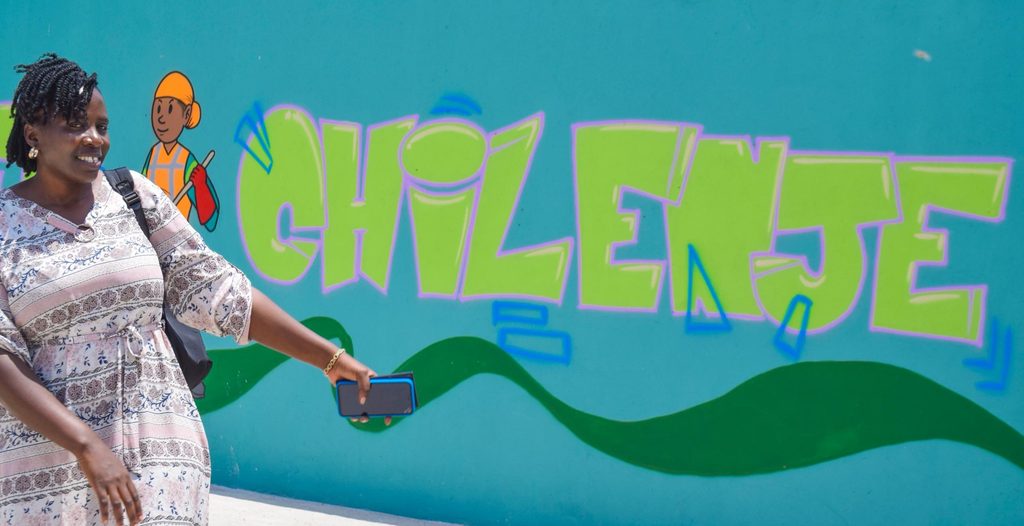
The local authority owns and manages community schools and preschools, which play an important role in addressing the growing demand for early childhood and basic education. These facilities are often established on Council-owned properties, such as community halls, particularly in low-income communities where the number of places available in government schools is insufficient to meet demand. In some instances, we may have as many as 200 children seeking admission to a single community school. We lack adequate space and sometimes basics such as chairs and all the things you would need. Usually, they are powered and the council pays for that electricity. At one point, there was an organisation that tried to assist us with school meals in one of the preschools but that didn’t last long.
Beyond education, I would also like to highlight an interesting climate-related initiative that demonstrates the entrepreneurial potential of women in our communities, particularly those living in peri-urban and low-income settlements. In one of our markets (BH Market), we have identified significant food waste, particularly from fresh agricultural produce that goes bad and is discarded. We are therefore establishing a biodigester at the market to demonstrate how this waste can be converted into useful resources and economic opportunities.
An important component of this initiative is ensuring that women, particularly marketeers and women who own restaurants, understand and benefit from the value of the circular economy. We have identified five women who own restaurants around the market who will be supplied with gas generated from the biodigester. We have also identified farmers who will benefit from the residual organic material from the biodigester, which can be used as fertiliser.
One of the barriers we want to address is the perception among some community members that food cooked using gas does not taste as good as food prepared using charcoal. We therefore want the women running these restaurants to prepare the familiar, traditional meals that people enjoy, using gas, to demonstrate that clean cooking alternatives can deliver the same quality and taste. We really want them to own this project and to see the benefits.
How does the issue of climate change fit into ordinary people’s everyday lives at the moment – does it fit into it at all?
I think ordinary people are able to see a huge difference in our climate, but they are not really connecting it to how it is affecting our livelihoods. So, for example, typical Zambian weather would be that in October, we always knew that by 24 October, which is our Independence Day, when people went for celebrations, at least in the afternoon, it would start raining – always.
But all that has changed and people are able to see that rains no longer come in October. Sometimes rains start maybe in December. And this time around, people have been joking on social media saying ‘what do we call this month of October? Others are saying, ‘we are calling it Junetober because there are certain days, when it just suddenly becomes very cold which is not typical at all. So, people are able to see that there’s something that has really changed in our climate.
Also, in the capital Lusaka, one of the major problems that we experience is flooding. The same amount of rain that we would normally get in six months, you now get in just two months. Most of our natural reservoirs, such as the watersheds, have been encroached on because of urbanization so all those reservoirs of water are gone. The flooding affects people’s homes now, so they see the difference with their own eyes.
Thinking about your experience and all the different aspects that you’ve worked on, what are the key things that you have learned or observed?
One important lesson I have learned is that climate change does not affect everyone equally. Women and girls, in particular, often experience the impacts of climate-related disasters more severely because of their gender-specific needs, social responsibilities and vulnerabilities.
This is especially evident in Lusaka’s unplanned settlements, where flooding and other climate-related hazards are frequently experienced. For example, when a household is submerged by floodwater, boys may generally find it easier to manoeuvre through the affected environment and resume some of their normal activities. However, women and girls face additional challenges, particularly regarding menstrual hygiene management, access to clean and private sanitation facilities, and the need to change and wash their clothes.
Safety and protection are also major concerns. When families are displaced from their homes and relocated to temporary shelters, such as tents, women and girls may become more exposed to sexual harassment, gender-based violence and other forms of abuse. The lack of privacy, inadequate sanitation facilities and insecure living conditions can further increase their vulnerability.
This has made me appreciate the importance of integrating a gender perspective into disaster risk reduction, climate adaptation and emergency response programmes. We cannot simply assume that providing the same assistance to everyone addresses everyone’s needs equally. Women and girls must be deliberately considered in disaster preparedness, evacuation planning, temporary shelter arrangements and recovery interventions.
For me, this reinforces the need to ensure that local authorities adopt gender-responsive approaches to climate resilience, where the specific needs, safety, dignity and participation of women and girls are prioritised.
Yes, indeed, and your comments are echoed by other people I’ve spoken to. Typically, the women are raising the children, they’re cooking, they are caregivers perhaps looking after older relatives or people with disabilities. They have more sensitivity to the needs of those people.
How do you feel about the fact that even in 2026, this is still the situation for women?
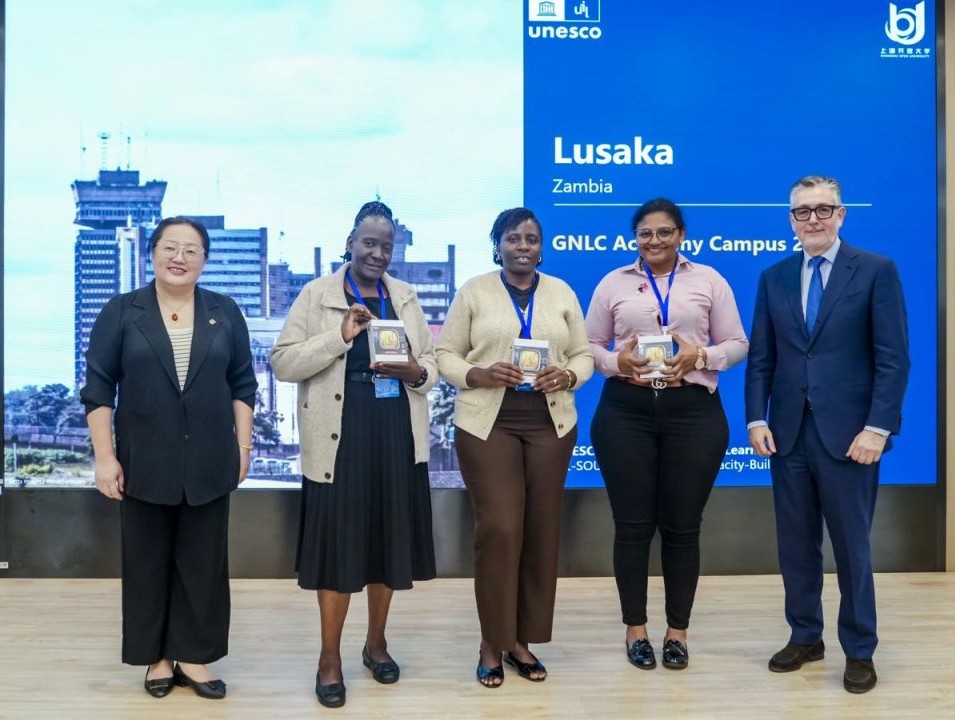
I believe we need to be intentional about ensuring that women are meaningfully involved in climate action and decision-making. Although there has been progress in bringing more women on board, I feel there is still significant capacity that needs to be built, particularly among civil servants and public servants who work directly with communities.
These frontline officers need to understand the basics of climate change, its impacts on different groups within communities, and how behavioural change can contribute to climate resilience. They should be equipped with the knowledge and practical skills to engage women, understand their challenges and support them in adopting climate-smart practices.
For example, solid waste management is a major concern in Lusaka. Plastics and other waste materials that are indiscriminately disposed of in drainage channels contribute to blockages, which worsen flooding during the rainy season. If we can effectively educate communities about the connection between poor waste disposal practices and increased flood risks, people are more likely to appreciate the importance of changing their behaviour. However, I believe we need to be deliberate about how we communicate these messages so that they are relatable, practical and relevant to people’s everyday experiences.
An example that has stayed with me is UNICEF’s Community-Led Total Sanitation (CLTS) programme, implemented in one of the chiefdoms in Southern Province. The programme sought to encourage communities to take ownership of sanitation by constructing and using household toilets. In some communities, people practised open defecation, particularly in nearby bushes, without fully appreciating the health risks. During the rainy season, human waste could be washed back into their living environments and contaminate their surroundings.
To demonstrate the consequences of this practice, the facilitators used a very impactful community-triggering approach. They collected faecal matter from the bush and brought it to a community meeting to help residents visualise the problem and understand how their sanitation practices were affecting them. This prompted community members to reflect on their behaviour, and many were motivated to change their practices and construct their own latrines. For me, this demonstrates that awareness alone is not always enough. We need approaches that help people understand the direct consequences of their actions and motivate them to take responsibility for change.
I believe the same principle applies to climate action. We need to invest in building the capacity of frontline public officers, use practical and locally relevant communication approaches, and deliberately involve women as agents of behavioural change within their households and communities. Women should not only be beneficiaries of climate programmes but also active participants in shaping and leading solutions.
Why do you think it’s important to involve women in the efforts to address climate change? What can women bring to that work?
I believe women have solutions, and we need to give them more opportunities to share their ideas and be part of making decisions. One thing I have noticed is that women are usually organised in groups, whether through savings clubs, women’s groups or other community organisations. So, when you reach one woman with information, you can be sure that she will most likely share it with many others. You may reach another 20 women through just one person.
Women are a big part of our communities, and involving them means reaching many more people. They also spend a lot of time with children, so they have an important role in teaching them good habits and helping them understand things like keeping the environment clean, managing waste and taking care of their surroundings.
For me, involving women is also about recognising that they have a voice, experience and ideas that can help solve some of the challenges we face. We should not only bring women on board as beneficiaries of programmes; we should also give them opportunities to lead, make decisions and come up with solutions.
I feel this should happen at every level, whether in the corporate world, in universities, in government or right down to the community level. We need to make a deliberate effort to include women because when women are given an opportunity to participate, their impact can reach far beyond themselves and benefit entire communities.
Professionally, what would you most like to see change in the next five years and why?
I would love to see local authorities taking the lead in climate action. I believe it should not just be about implementing projects; it should become part of our everyday work. Every department should consider climate change when preparing its plans and budgets. For example, under the Climate Compatible Growth (CCG) programme, I had the opportunity to work on decentralised energy planning with Chibombo Town Council. It was a good initiative, but it also raises a question: what happens when CCG funding comes to an end? Does the work stop? I believe climate action should be built into our Integrated Development Plans, budgets and departmental activities so that it continues even when donor-funded projects come to an end. It should become part of how local authorities operate, not something we only do when there is a project.
I’m so happy about the new Minister of Green Economy, Dr Gilbert Siami, as he’s a person that was once in academia and he has also got a passion for local governance. When you have such people in higher office, you can actually see that they’ll be able to support local authorities in their quest to spearhead climate action. He has also done significant work in Kanyama and Kalikiliki, particularly around climate change and community resilience. His experience in this area gives him a good understanding of the climate challenges faced by local communities.
Any final thoughts?
I’m really happy to be part of a generation of local authority employees who are passionate about climate action. For me, this interest goes back a long way. Even when I was young, I was involved in environmental activities through school clubs, which we called Chongololo Clubs. My mother often reminds me that I was a child who naturally loved nature. As I grew older and eventually started working in local government, that passion stayed with me. I have always been interested in how we can protect the environment while improving the lives of the communities we serve. I think that is what makes this work so meaningful to me.