Members of our Country Partnerships team and in-country teams attended COP30 in Brazil. Chinagorom Ajike (Country Co-ordinator), Nam Nguyen (CCG Vietnam) and Kabwe Mubanga (CCG Zambia) report back on their experience.
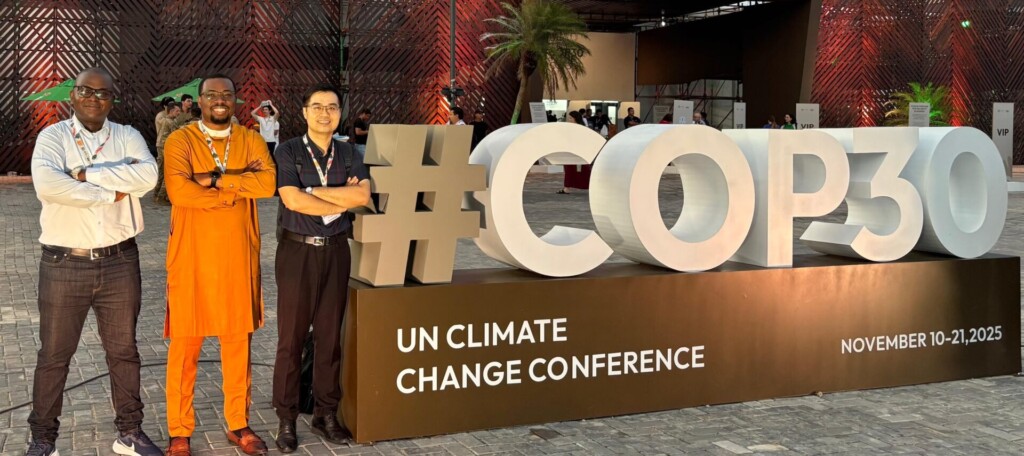
The 30th session of the United Nations Climate Change Conference (COP30) which was held in Belém, Brazil was a pivotal moment for the Climate Compatible growth (CCG) programme. It offered a platform to showcase our open-source modelling tools and frameworks at high-level global events, while highlighting the real-world impact of our work at the country level. Our engagement at the conference underscored how country-level successes can bridge the gap between national development priorities, COP-level ambition, and on-the-ground action, particularly in the Global South. Through bilateral meetings, panel discussions and technical exchanges, CCG brought expertise, and partnerships to the fore.
Strengthening Country Platforms Through Bilateral Engagements
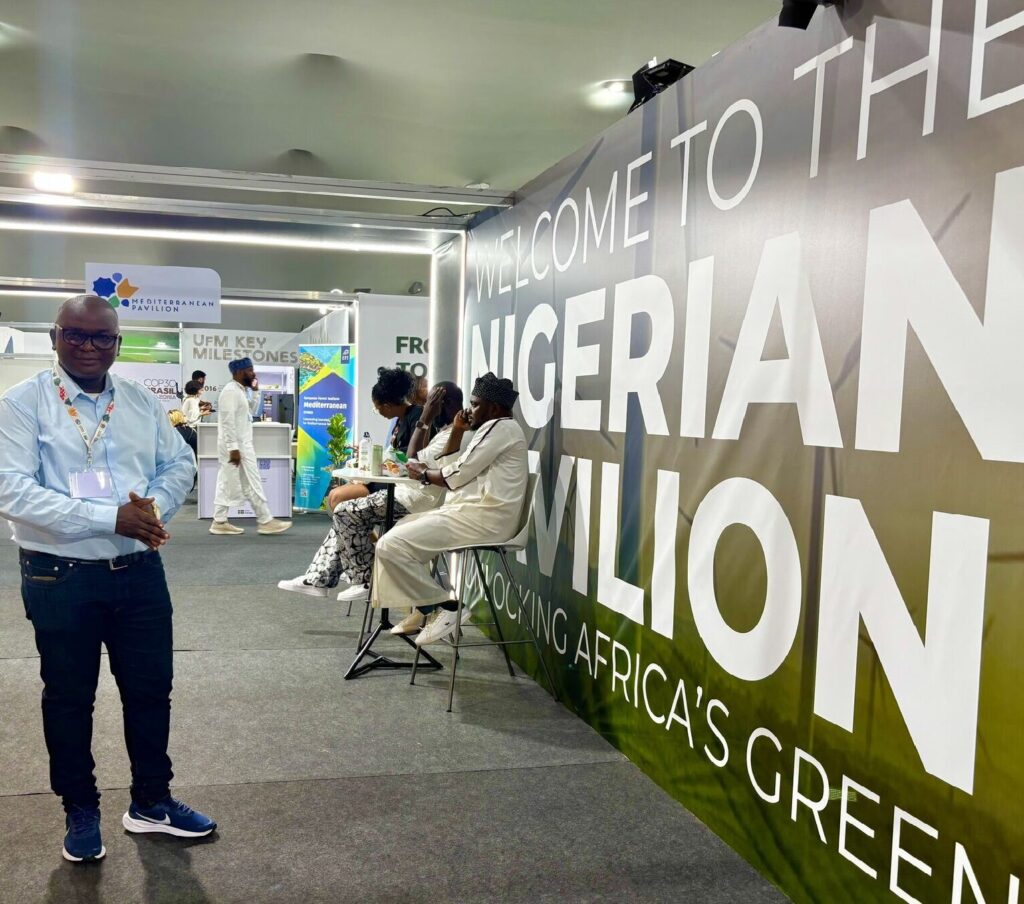
Throughout the conference, CCG held a series of strategic bilateral meetings to strengthen country platforms. With the Energy Commission of Nigeria, we reviewed the 2025 Energy Modelling Platform, Nigeria (EMP-N) facilitated by CCG. During the earlier EMP-N workshop, 30 professionals from academia and government gathered over two weeks to explore five open-source modelling tools, applying scenario analysis and case studies to support evidence-based policymaking. At COP30, discussions centred on opportunities for future in-country EMPs and complementary engagements to further embed modelling capacity within national institutions.
Engagements with the Accelerated Partnership for Renewables in Africa (APRA) Secretariat of the Danish Energy Agency, centred on Ghana’s national development priorities. There were also discussions on collaborating with the Ghana CCG team to support activities of the five Special Interest Groups (SIGs), which address key areas including financing the energy transition, new energy vehicles and sustainable transport, inclusive net-zero pathways, clean cooking, and green hydrogen development. This builds on the strong local connection and successes of the SIGs as a platform for enhancing research policy interface across key sectors.
Showcasing CCG Insights through High-Level Panels
The participation of CCG consortium members in multiple panel sessions further illustrates the practical impact of the programme across different countries.
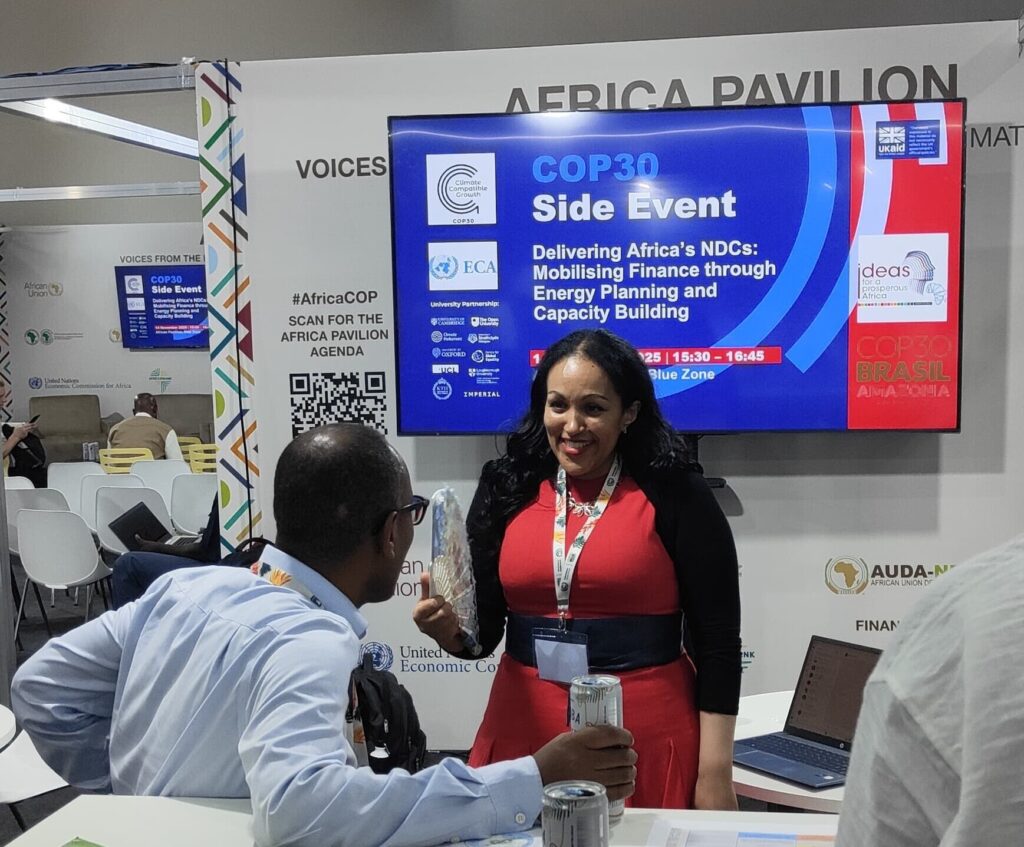
At the high-level panel discussion “Delivering Africa’s NDCs: Mobilising Finance through Energy Planning and Capacity Building,” the Zambia CCG Coordinator, Kabwe Mubanga highlighted how evidence-based energy planning and use of open-source modelling tools can unlock climate finance, the importance of a robust institutional capacity to translate energy plans into bankable projects, and coordinated strategies for cross-sector engagement to accelerate NDC implementation. As he noted, “Local insights and access to open access modelling tools are key to transforming energy plans into investment-ready strategies.”
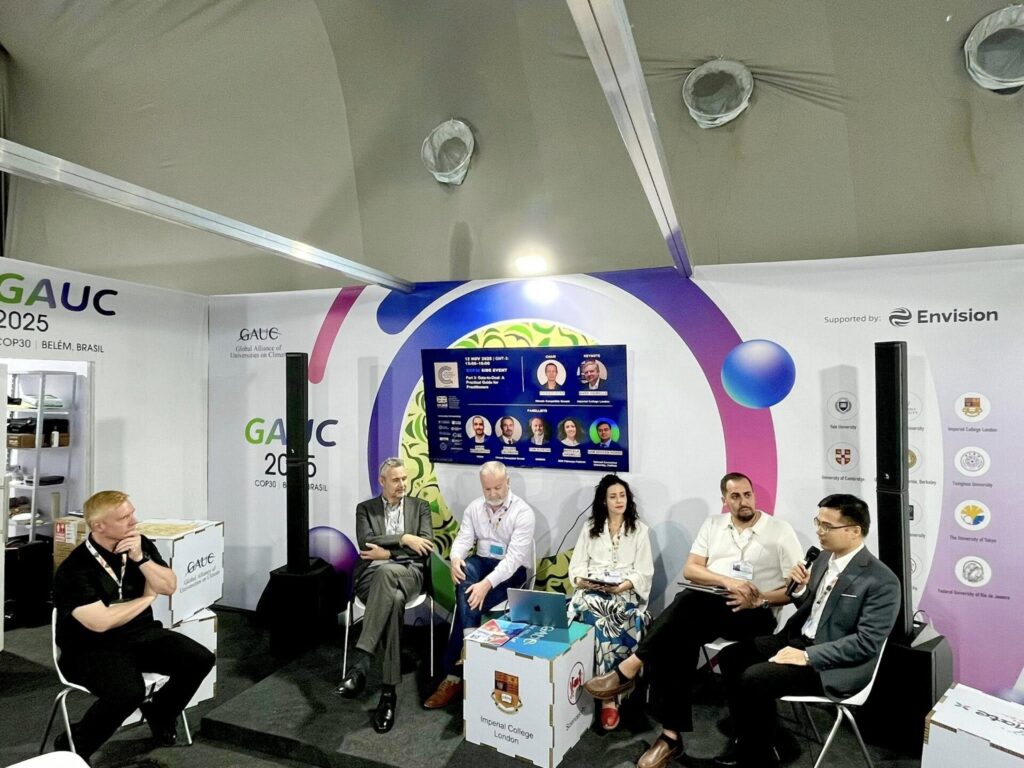
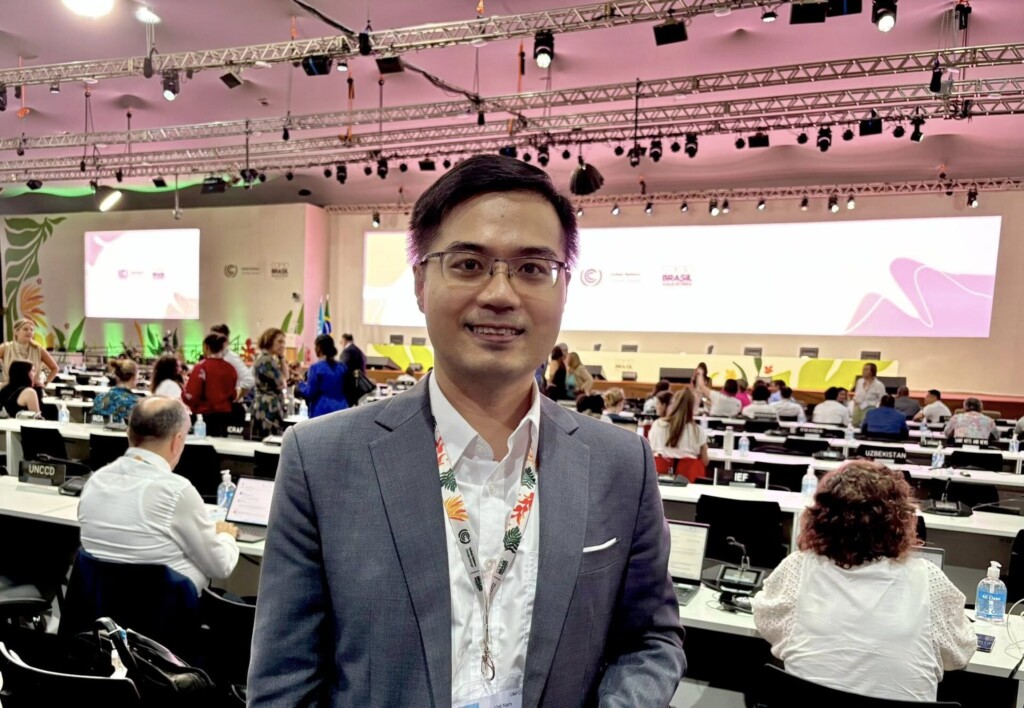
Similarly, the Vietnam CCG Coordinator, Nam Nguyen shared lessons learned from locally driven modelling initiatives, emphasising the critical role of in-country experts and the need for securing political support early on in the process. Speaking on financing climate transition plans and the Data-to-Deal (D2D) framework, he explained: “In countries like Vietnam, securing political support is crucial. Without it, the government may not acknowledge or adopt the results of your work. Therefore, it makes sense to place securing political support as the first step of the D2D framework. However, in some cases, we must start with capacity building, as the government may require institutional readiness before they can support projects. Therefore, while the 7 steps of the D2D provide a framework, we must remain flexible regarding the order and depending on the context.”
Lessons from COP30
Reflecting on COP30, a few key lessons stand out. First, country-level engagement is essential as global commitments only materialise through sustained, retained and embedded capacity building in national institutions. This is also attained through data-driven planning and coordinated stakeholder support.
Second, bilateral discussions are catalysts, reinforcing relationships, and identifying emerging priorities and defining concrete next steps for on-going CCG engagements in-country. In addition, the D2D framework and energy modelling platforms empower governments to prioritise interventions and identify investment-ready projects, while cross-sector collaboration unlocks the finance needed to implement plans.
Maintaining ongoing engagement ensures CCG is positioned to continue supporting governments at national and sub-national levels for low-carbon development pathways. Strengthening institutional capacity, deploying open-source modelling tools, and enabling cross-sector partnerships are the levers through which CCG supports governments in delivering their NDCs and broader climate strategies while achieving just and climate-compatible development.
Looking Ahead
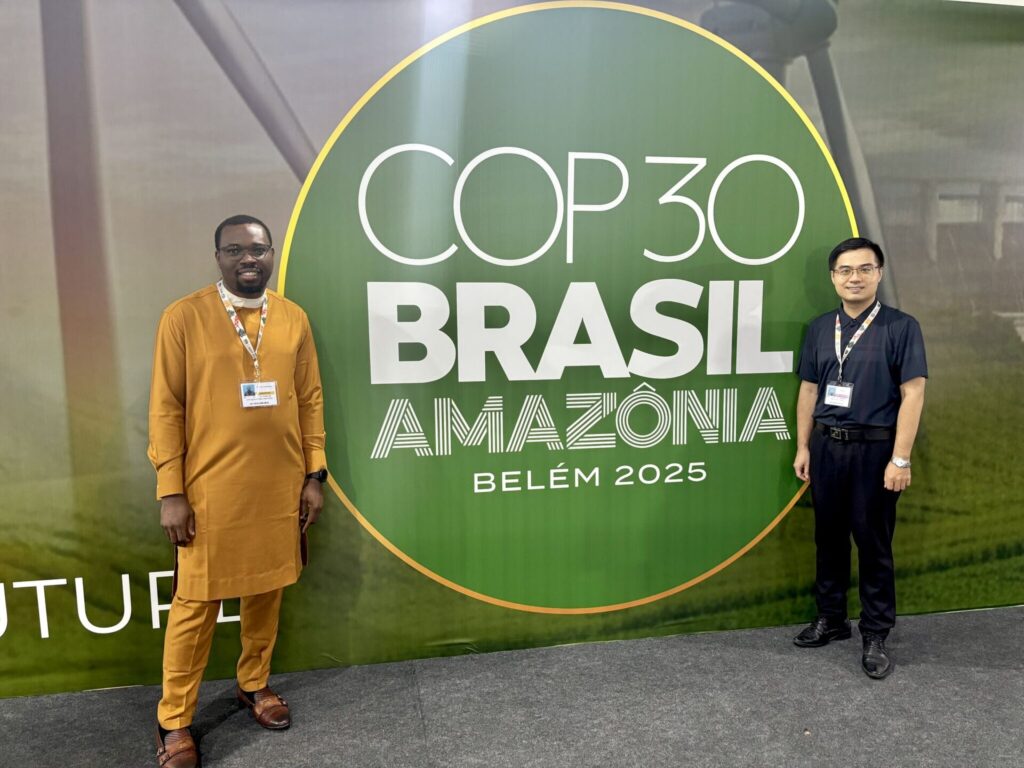
The engagements at COP30 demonstrate CCG’s growing contribution to sustainable national outcomes across partner countries.
Securing high-level political support, enhancing modelling capabilities, and strengthening multi-stakeholder coordination will remain essential to accelerating low-carbon transitions across the Global South.
Through embedded capacity building, open-source tools, and partnership-driven approaches, CCG continues to support governments to translate their NDCs and climate strategies into actionable, just, and climate-compatible development pathways.