Melih Fırat Ayaz is a Climate Expert, working for the Ministry of Environment, Urbanization, and Climate Change in Türkiye, as part of the Climate Change Mitigation Department. At EMP-G, Melih was part of the MINFIN track led by Hannah Luscombe and Will Collier. Here he shares his reflections on the value of energy modelling, the difference it has made to Türkiye, and how COP31 – hosted by Türkiye – might be different this time.
I have been working with energy modelling tools in my department for just two years. We are responsible mainly for developing policy documents like the National Determined Contribution, Long-Term Climate Strategies and Climate Change Mitigation Action Plan. To produce these policy documents, we need this modelling infrastructure. Before 2025 we were mainly working with external consultants, But last year we decided to develop our in-house capacity and we have been progressively using these tools ever since, particularly OSeMOSYS.
We have been working with CCG, and they are helping us to build this in-house model for Türkiye. The work continues but last year we worked specifically on the second NDC for 2035. This year we are focusing on long-term policies using this tool.
Working with CCG is quite different from working with other consultant teams, because CCG is here to support us and to develop in-house capacity, rather than just giving us the results. So, we have worked with this amazing team of Mark Howells, Thomas Alfstad, Giorgos Avgerinopoulos, Melinsa Abeysundara and Leigh Martindale. They have played an instrumental role in Türkiye’s climate policy-making process. Last year was critical because we have this infrastructure in place and we developed our NDC with our own capacity.
We will use this modelling capacity for other policy documents as well, such as our Long-term Climate Strategy and Climate Change Mitigation Action Plan. It’s really important to have this team working alongside us. We can rely on them to support us and help resolve any issue we might have with the tools. We see them more as colleagues than project partners. We now have better insights into how to develop effective policies. Now we can see the dynamics and the mathematics behind these policies, so it’s helped us get a better understanding of the climate policy landscape.
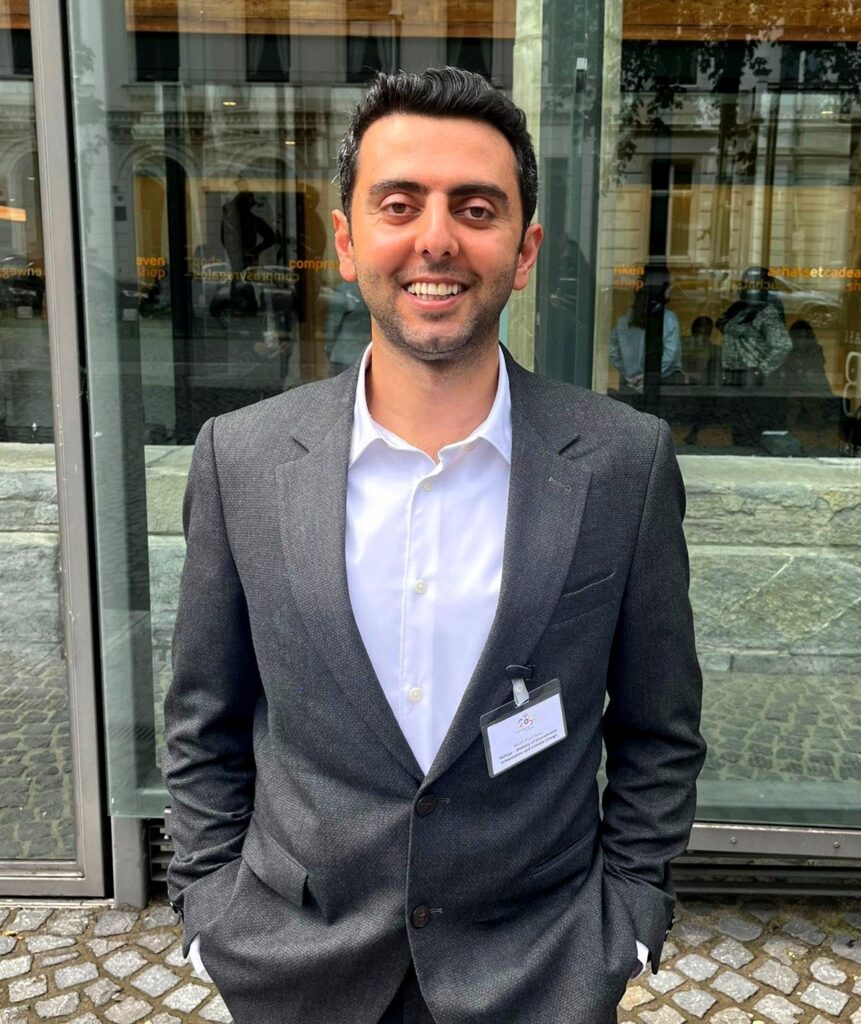
In terms of developing more ambitious policies, I would say, modelling has helped us to communicate better with other stakeholders and other ministries. For instance, the Ministry of Energy has this great modelling infrastructure already and now we also have the same infrastructure, so we are able to communicate with them better. We know what we are talking about and understand them better. This helps us to develop more progressive, ambitious policies with them.
At this EMP we are focusing on finance modelling tools; mainly MINFin but also FinCore and FinTrack. It helps us to understand the financial implications of our proposed mitigation pathway, and we have seen some great results to be honest. I think it’s really important to see the financial implications of our model, particularly if there are financing gaps in certain policies.
In our experience, having this enhanced modelling capacity helps our domestic experts to get a better understanding of what they are working on, and I would definitely recommend that any government trying to plan their energy needs for the future should have the same modelling infrastructure, data infrastructure and capacity.
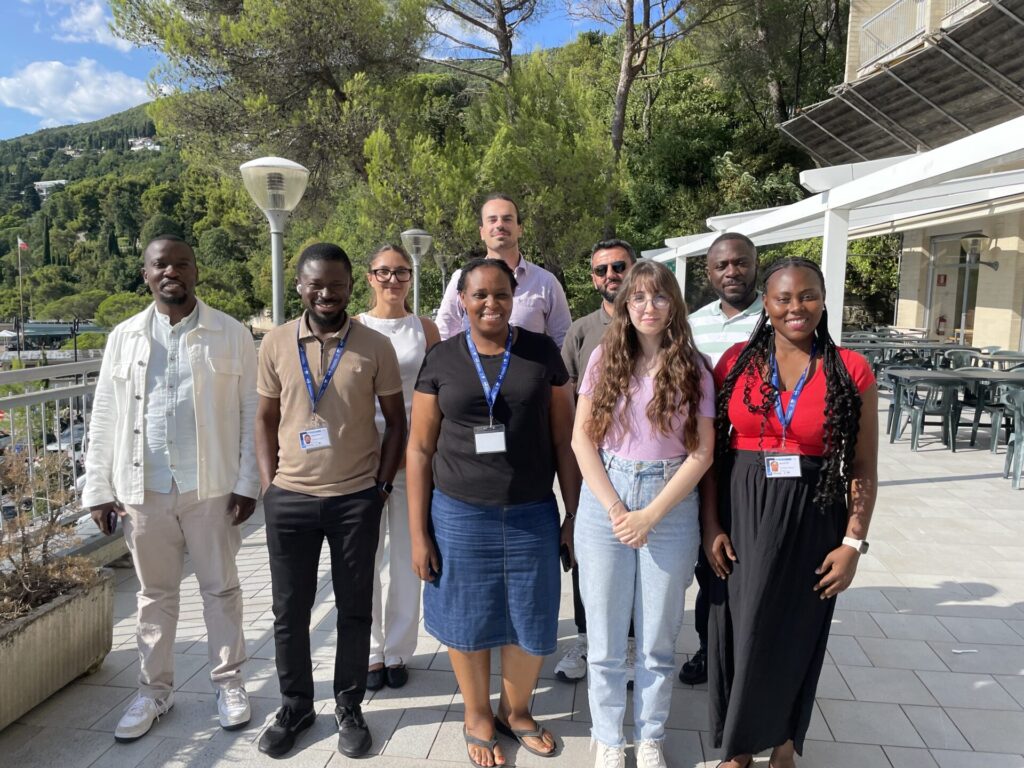
Hannah Luscombe and Will Collier
In Türkiye, as you may know, we don’t have large fossil fuel resources, so renewables provide a good opportunity for us, not just to reduce our emissions impact, but also to bring greater energy independence to the country. We see real potential on that front, backed up by the modelling work we’ve done.
We hope to share more about this at COP31 which we are excited about hosting. It’s really an important opportunity for Türkiye to showcase to the world what we have done in the country and what we are proud of. It’s important to remember that Türkiye is still a developing country; it’s like a bridge between the developed world and the developing world and we hope that we can maybe get all sides together to resolve some sticking points in negotiations and in different action agenda areas.