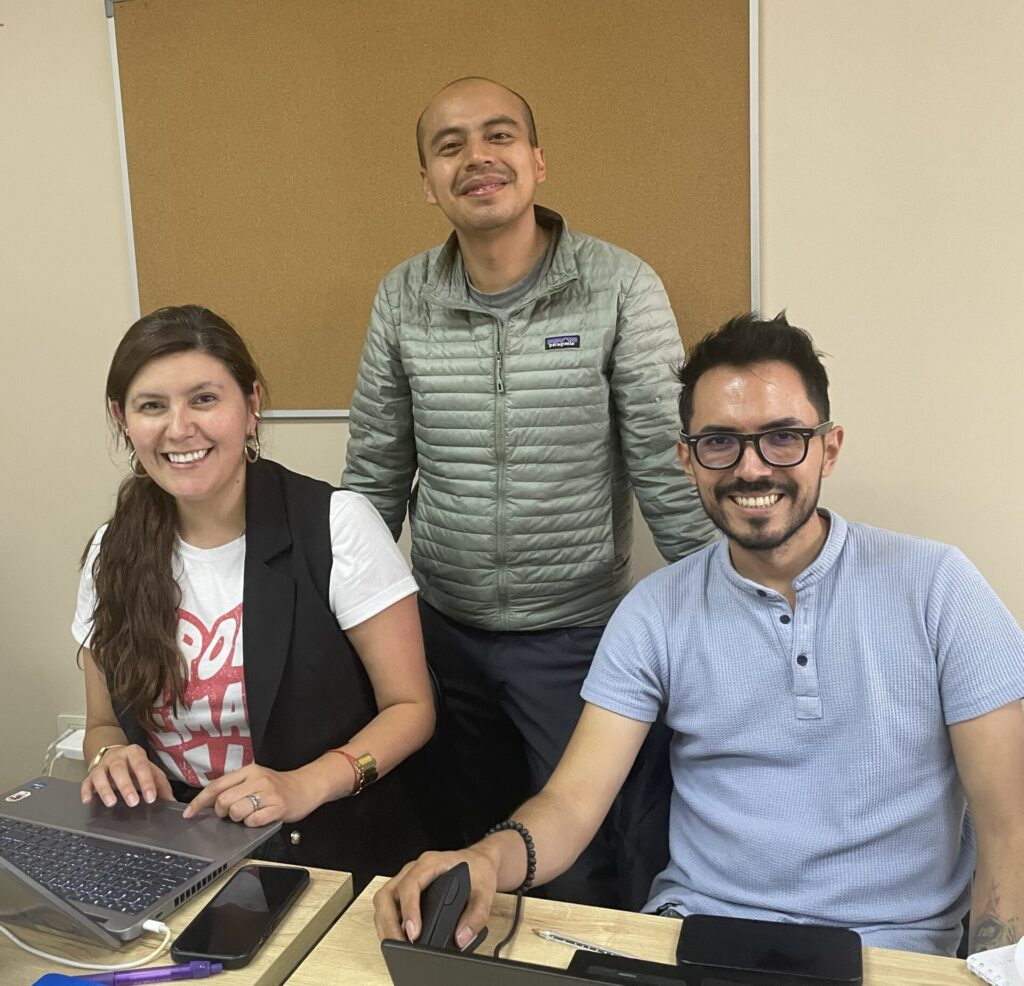
Monica Lopez has been working with UNDP for three years. She started as a specialist in waste and industrial processes and later became involved in the energy sector. Monica’s current role is as a Climate Change Mitigation Specialist with the Climate Promise initiative. Here she discusses her experience at EMP-LAC in her native Ecuador.
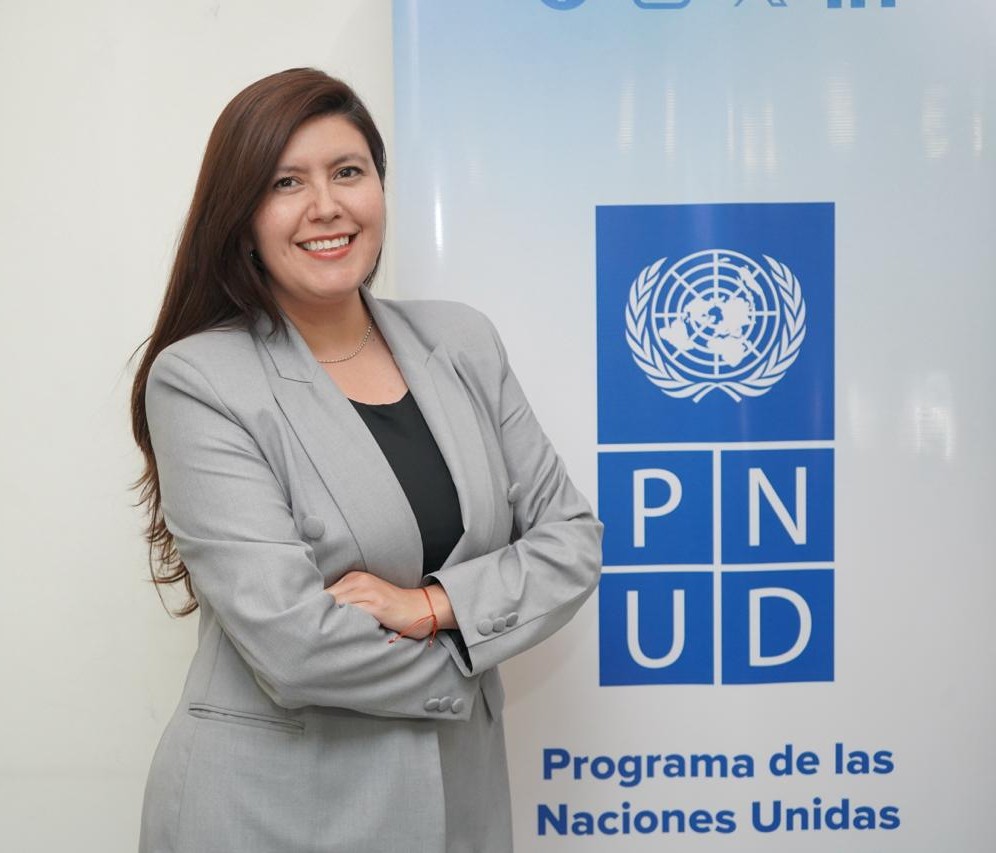
I have been working with UNDP since 2023. I started as a specialist in waste and industrial processes and later became involved in the energy sector. I am now a Climate Change Mitigation Specialist with the Climate Promise initiative. We support the Government of Ecuador in developing and implementing climate policy. I was involved in the preparation of Ecuador’s Second NDC and its implementation plan, and I also work on sustainable mobility and circular economy projects.
These areas may seem different, but they are closely connected. Sustainable mobility also involves managing waste from the transport sector, such as batteries, tyres and vehicle components at the end of their useful life. We look at how these materials can be managed through a circular economy approach. In the Galápagos Islands, for example, we are working with local institutions on sustainable mobility and waste management.
At UNDP, we integrate gender equality and the needs of vulnerable communities into our projects. We involve local communities in consultations to better understand the realities of each territory and reflect their needs in project decisions. We also work with specialists to make our projects more inclusive. As a woman who leads technical workshops, I believe it is important to promote diverse voices and ensure they contribute to technical decision-making.
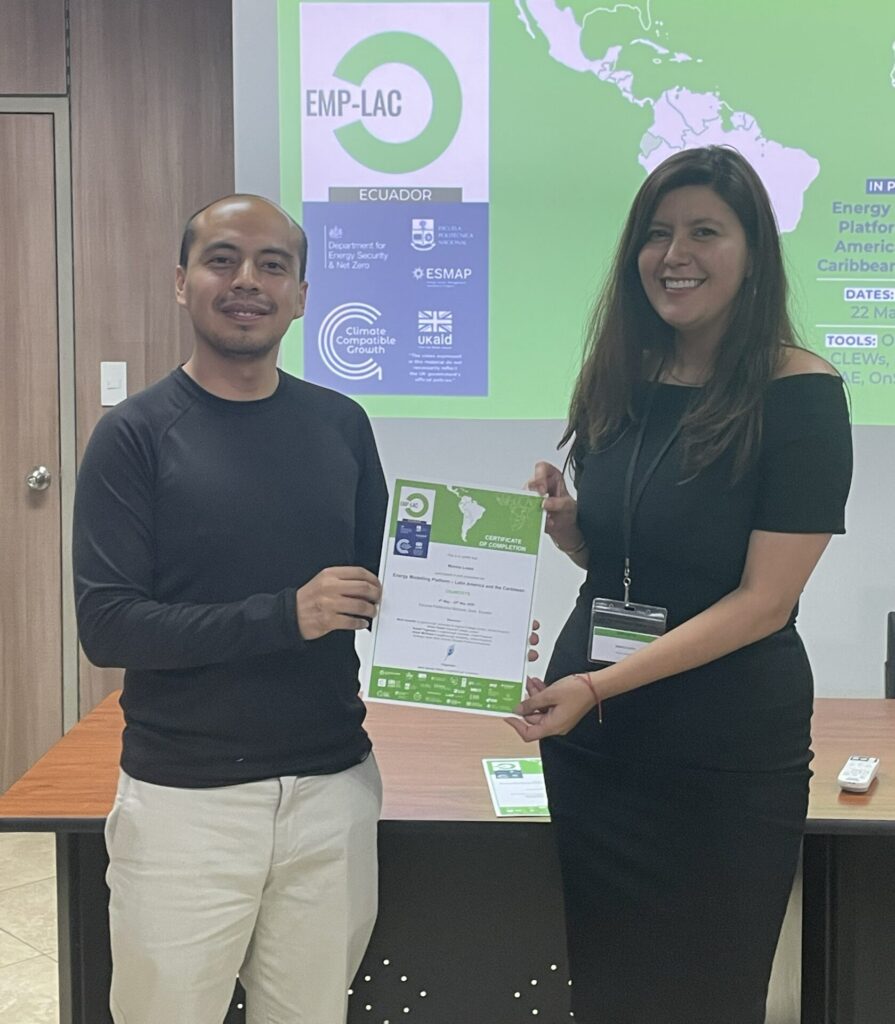
Attending EMP-LAC was both a personal and professional goal because I wanted to better understand how energy modelling tools could support my mitigation work. In Ecuador, OSeMOSYS had already been used for national planning, but the modelling was mainly carried out with support from external consultants.
By joining this course, we are building that technical knowledge within our own team so that we can continue supporting the country more directly. It allows us to work with the data, explore different scenarios and bring our understanding of Ecuador’s context into the model. This can help us provide more useful inputs for national planning and assess how energy and transport measures can contribute to the country’s mitigation goals.
My final project was called Scenario Analysis of Electric and Hybrid Mobility Pathways for Light-Duty Transport in Ecuador, and I developed it with fellow participant Daniel Hidalgo from Universidad Central del Ecuador. The objective was to explore how electric and hybrid mobility pathways could contribute to Ecuador’s climate goals.
We focused on transport because it is one of the main sources of greenhouse gas emissions within Ecuador’s energy sector, and sustainable mobility is already part of the country’s climate agenda. We compared three scenarios based on Ecuador’s electromobility strategy and related policies.
One pathway gave hybrid vehicles a stronger role as a transition option because the country still faces gaps in charging infrastructure and vehicle affordability. Ecuador also relies heavily on hydropower, which can be affected by droughts and climate variability, so electromobility needs to advance alongside a more resilient and diversified power system.
In our project, we used modelling to show why a multi-pathway approach is important. The transition is not only about electric vehicles; hybrids can also play a role while charging infrastructure, clean electricity generation and power system reliability are strengthened. The most appropriate solution depends on the local context, as conditions in the highlands, coastal cities and the Galápagos are very different. We found that electric mobility can significantly reduce emissions by replacing fossil fuels, but its full benefits depend on the source and reliability of the electricity supply. This is why policies must also consider affordability, infrastructure, energy security and a more diverse and cleaner energy mix.
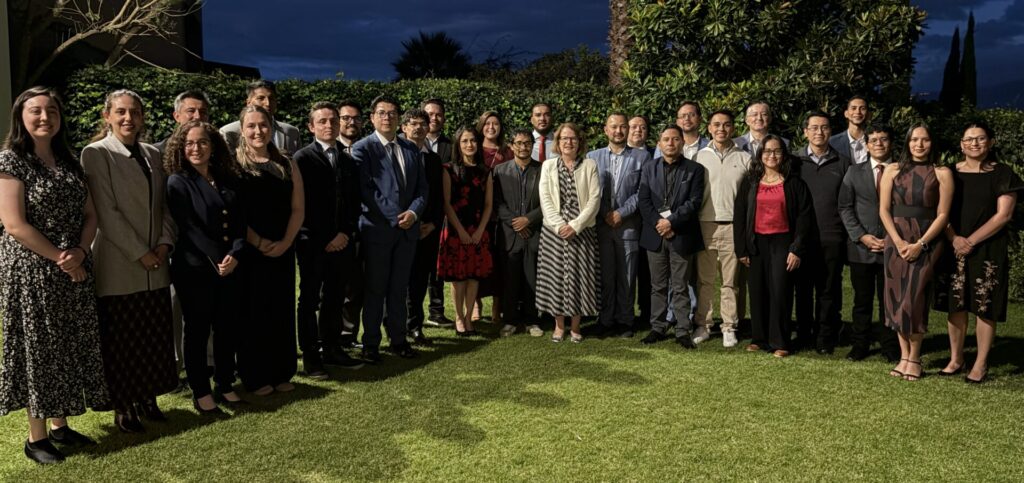
I would like to thank Climate Compatible Growth, Escuela Politécnica Nacional and the British Embassy for this opportunity. I would also like to highlight the value of open-source tools such as OSeMOSYS. They make knowledge and methodologies more accessible, support technical capacity building and allow countries to adapt modelling exercises to their own data, context and priorities.
I think Ecuador has made important progress in terms of climate policy. We have strategies, regulations and technical guidance in place, but the main challenge is turning them into action.
At UNDP, we work closely with government institutions and decision-makers to support that implementation.
Financing is also a major challenge for a developing country, so we help develop projects that can attract investment and test practical solutions through pilot initiatives with local governments.